
Plant
Yellow Birch
Betula alleghaniensisAlso known as Golden Birch, Swamp Birch
Yellow birch anchors the northern hardwood forests of North America, often germinating on mossy nurse logs that eventually rot away to leave mature trees balanced on distinctive stilted roots. Its bronze-gold bark peels into paper-thin horizontal ribbons, and broken twigs release a sharp, refreshing scent of wintergreen caused by natural methyl salicylate. A vital keystone for wildlife, it feeds songbirds with winter catkin seeds and shelters wood warblers in its dense canopy.
DeciduousForestAromatic
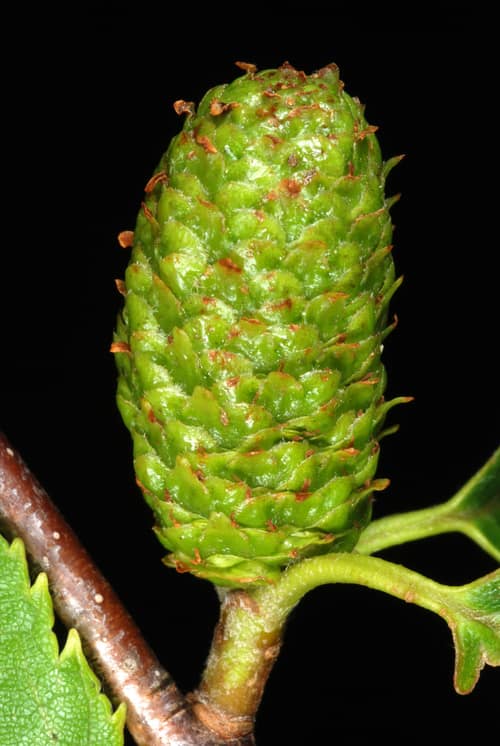
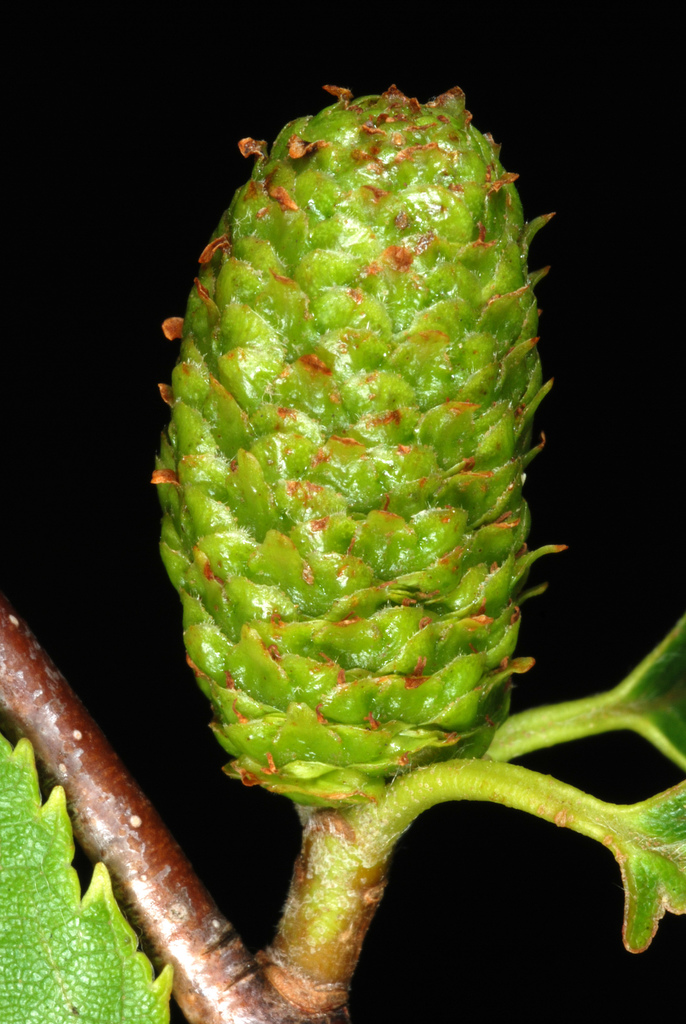
—observations
—countries
—peak records
Least ConcernConservation statusIUCN Red List categoriesLCNTVUENCREWEXLeast ConcernRed List categories, explained →
Diet & preyAutotrophic (photosynthesis)
Predators
- White-tailed Deer
- Bronze Birch Borer
- North American Beaver
ThreatsBronze birch borer, climate warming, and overbrowsing by white-tailed deer
HabitatsCool moist northern hardwood forests, mountain ravines, and stream margins
Life span150–300 years
Classification
- OrderFagales
- FamilyBetulaceae
- GenusBetula
- SpeciesBetula alleghaniensis
Range data is not available yet.
Interaction riskLow
- Low
- Moderate
- High
- Very high
- Why interaction risk is low
- Safe to observe at a normal distance.
Responsible observation
- Aroma Check: Gently scratch a young twig to reveal the tree's signature wintergreen scent.
- Bark Protection: Avoid peeling the curled strips of bark, which protect the living wood underneath.
- Root Clues: Look for elevated, stilted roots that trace the shape of long-decayed nurse logs.
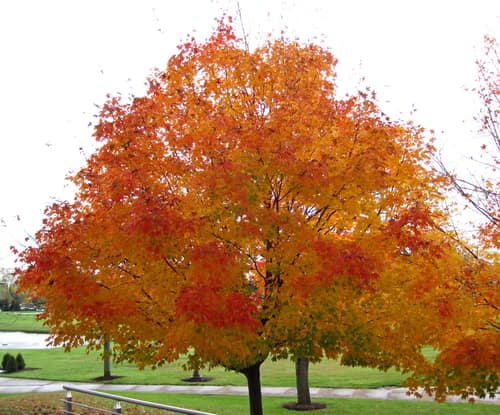
Frequent Companion (c) James St. John, some rights reserved (CC BY) · cc-by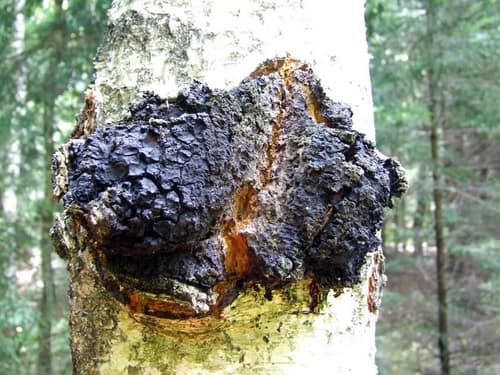
Parasite Tocekas / CC BY-SA 3.0 · cc-by-sa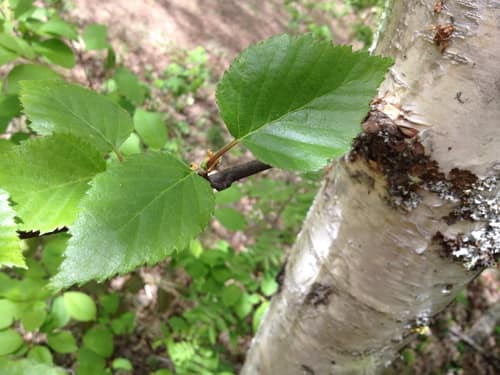
Close Relative no rights reserved, uploaded by Dezene Huber · cc0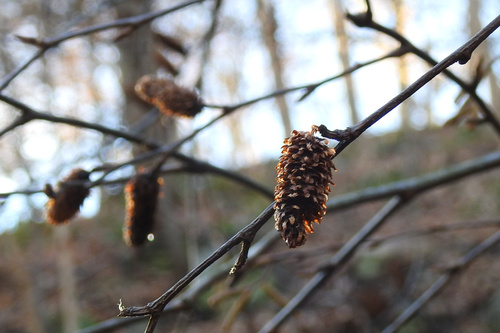
Close Relative (c) Navin Sasikumar, some rights reserved (CC BY), uploaded by Navin Sasikumar · cc-by
Help improve the field guideSomething wrong?
Checking your Fauna account…Report a name, category, or profile issue for review.