
Plant
Prickly Cucumber
Echinocystis lobataAlso known as Wild Cucumber, Wild Balsam Apple, Wild Mock Cucumber
Prickly cucumber scrambles vigorously over riverbank shrubs and fences, using branched, coiling tendrils to hoist its five-lobed leaves toward full sun. In midsummer, the vine produces delicate, starry sprays of creamy white male flowers that emit a sweet honey fragrance to attract native bees and wasps. By late summer, spiny, water-filled pods develop and eventually dry into fibrous, lace-like skeletal cages that spring open at the base to disperse large, flattened seeds.
Climbing VineAnnualSpiny Fruit
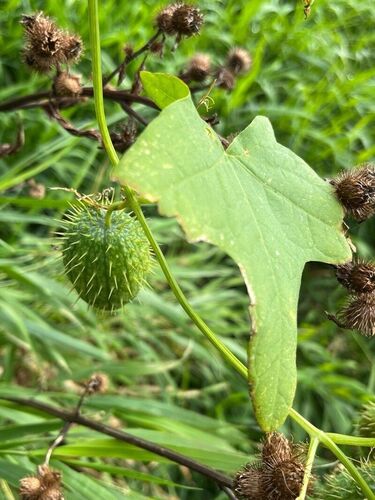
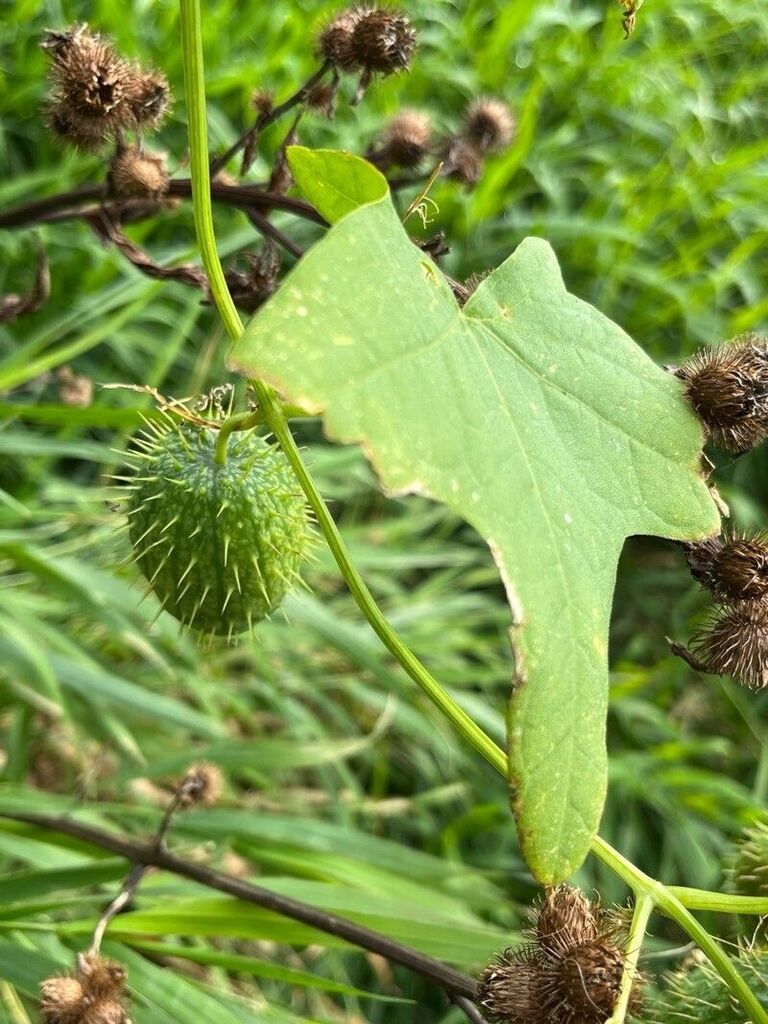
—observations
—countries
—peak records
Least ConcernConservation statusIUCN Red List categoriesLCNTVUENCREWEXLeast ConcernRed List categories, explained →
Diet & preyPhotoautotroph
Predators
- Striped cucumber beetle
- Spotted cucumber beetle
- White-tailed deer
ThreatsHerbicide drift, shoreline development, and clearing of riparian vegetation
HabitatsRiverbanks, floodplain thickets, moist meadows, and disturbed edges
Life span1 year (annual)
Classification
- OrderCucurbitales
- FamilyCucurbitaceae
- GenusEchinocystis
- SpeciesEchinocystis lobata
Range data is not available yet.
Interaction riskHigh
- Low
- Moderate
- High
- Very high
- Why interaction risk is high
- Fruits contain toxic cucurbitacins; wild gourds have toxic look-alikes and should never be ingested.
- Why it is dangerous
- Contains bitter cucurbitacins that cause severe gastrointestinal irritation, colic, violent vomiting, and persistent diarrhea.
- How to recognize a risky encounter
- Recognized by sprawling five-lobed leaves, three-forked tendrils, and oval, spiny inflated seed pods hanging along the stems.
- What to do
- Do not harvest or ingest any part of the vine or fruit, and wash hands after handling dried seed pods.
Responsible observation
- Seasonal Observation: Inspect riverbanks in autumn to find the distinctive papery, netted fruit skeletons left after seed drop.
- Garden Management: Remove young seedlings by hand in spring if vines begin to smother ornamental shrubs or small trees.
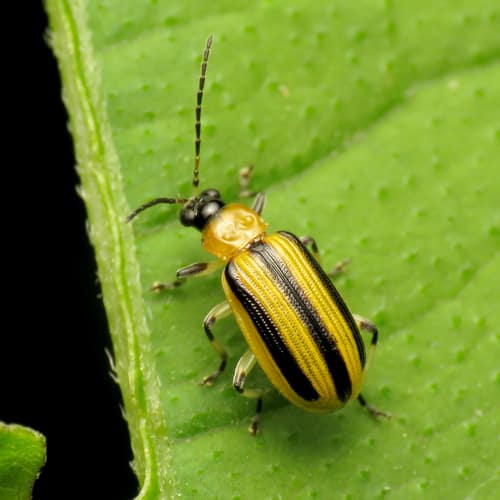
Herbivore (c) Katja Schulz, some rights reserved (CC BY) · cc-by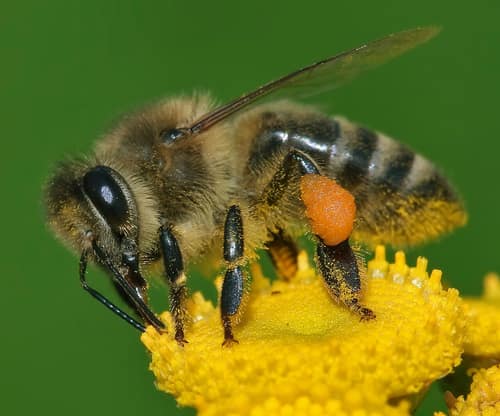
Pollinator Andreas Trepte / CC BY-SA 2.5 · cc-by-sa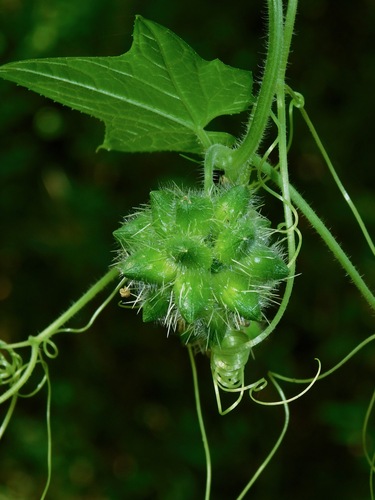
Close Relative (c) Michael J. Papay, some rights reserved (CC BY), uploaded by Michael J. Papay · cc-by
Help improve the field guideSomething wrong?
Checking your Fauna account…Report a name, category, or profile issue for review.