
Plant · GBIF taxon 5331338
Downy Yellow Violet
Viola pubescensAlso known as Yellow Woodland Violet
Downy yellow violets brighten rich eastern deciduous forests each spring with sunny yellow blossoms etched with dark purple nectar guides. Soft, velvety hairs coat the stems and heart-shaped leaves, distinguishing them from smoother woodland relatives. Later in the summer, inconspicuous flowers self-pollinate beneath the forest canopy to secure seed production without relying on early insect pollinators.
Spring EphemeralYellow BloomWoodland
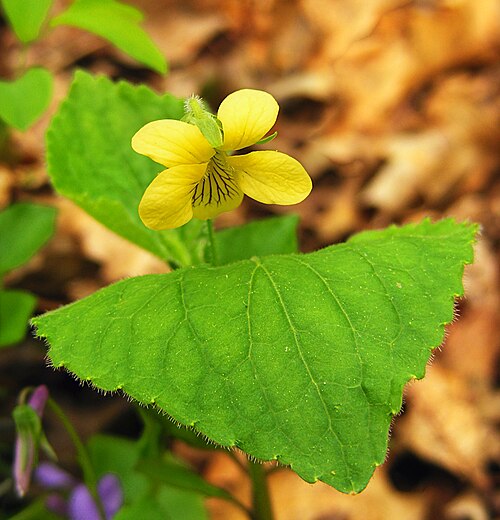
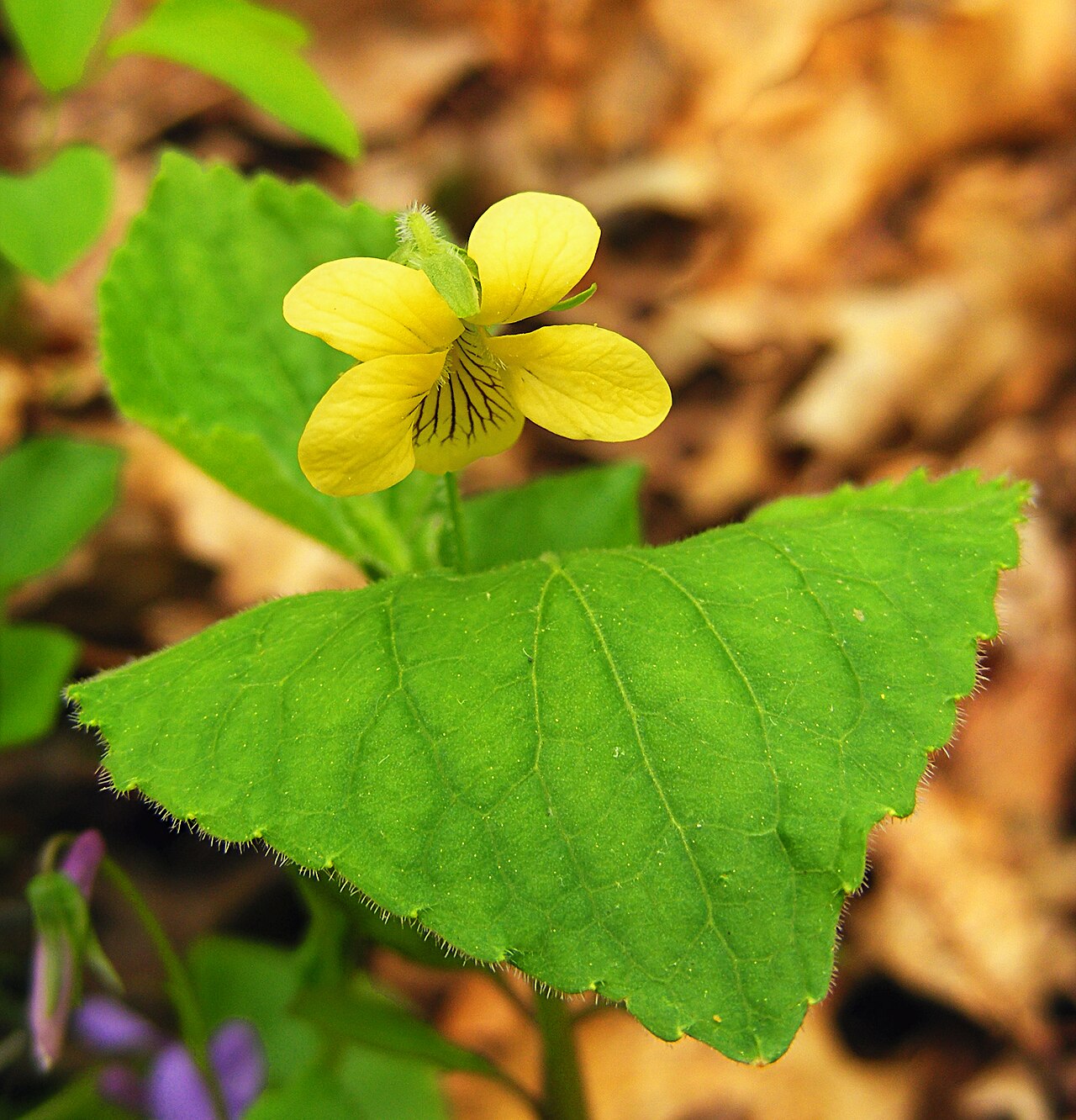
—observations
—countries
—peak records
Least ConcernConservation statusIUCN Red List categoriesLCNTVUENCREWEXLeast ConcernRed List categories, explained →
Diet & prey
- Autotrophic (Photosynthetic)
Predators
- White-tailed deer
- Fritillary butterfly caterpillars
- Slugs
ThreatsHabitat loss, forest canopy clearing, invasive plant competition, deer overbrowsing
HabitatsRich mesic woodlands, deciduous forests, wooded slopes, meadows
Life spanPerennial (5–10+ years)
Classification
- FamilyViolaceae
- SpeciesViola pubescens
Range data is not available yet.
Interaction riskLow
- Low
- Moderate
- High
- Very high
- Why interaction risk is low
- Safe to observe at a normal distance.
Responsible observation
- Spring Spotting: Look for bright yellow blooms in deciduous woods before the tree canopy fully leafs out.
- Examine the Stems: Feel for the characteristic soft, velvety hairs along the stem and leaf undersides.
- Watch for Fritillaries: Check surrounding leaf litter for butterfly caterpillars that rely on violet leaves.
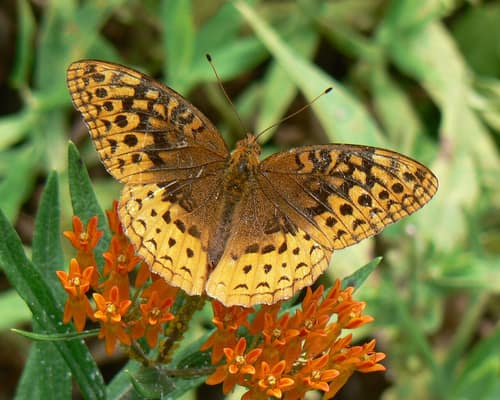
Herbivore MONGO / Public domain · cc0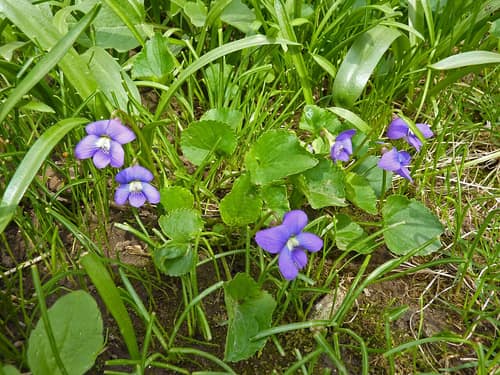
Close Relative James Steakley / CC BY-SA 3.0 · cc-by-sa Image unavailable
Close Relative 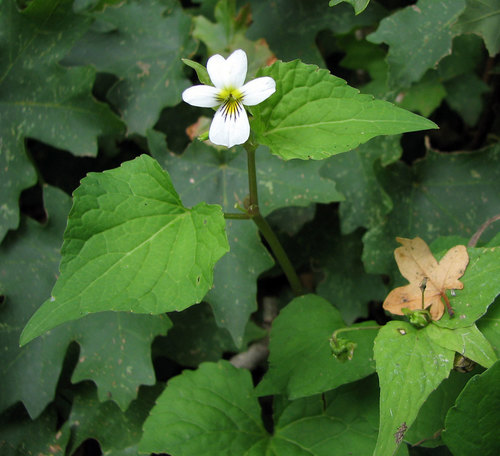
Close Relative (c) Katja Schulz, some rights reserved (CC BY) · cc-by
Help improve the field guideSomething wrong?
Checking your Fauna account…Report a name, category, or profile issue for review.