
Plant · GBIF taxon 5331238
Common Blue Violet
Viola sororiaAlso known as Common Meadow Violet, Woolly Blue Violet, Hooded Violet, Wood Violet
Common blue violets carpet deciduous woodland floors, meadows, and suburban lawns across eastern North America each spring. Beyond their conspicuous purple blossoms, these low-growing perennials produce inconspicuous, self-pollinating flowers hidden near soil level later in the summer. Their heart-shaped leaves serve as a critical spring host plant for fritillary butterfly caterpillars.
WildflowerPerennialSpring Bloom
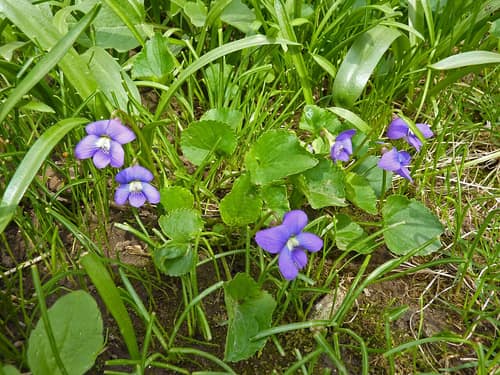
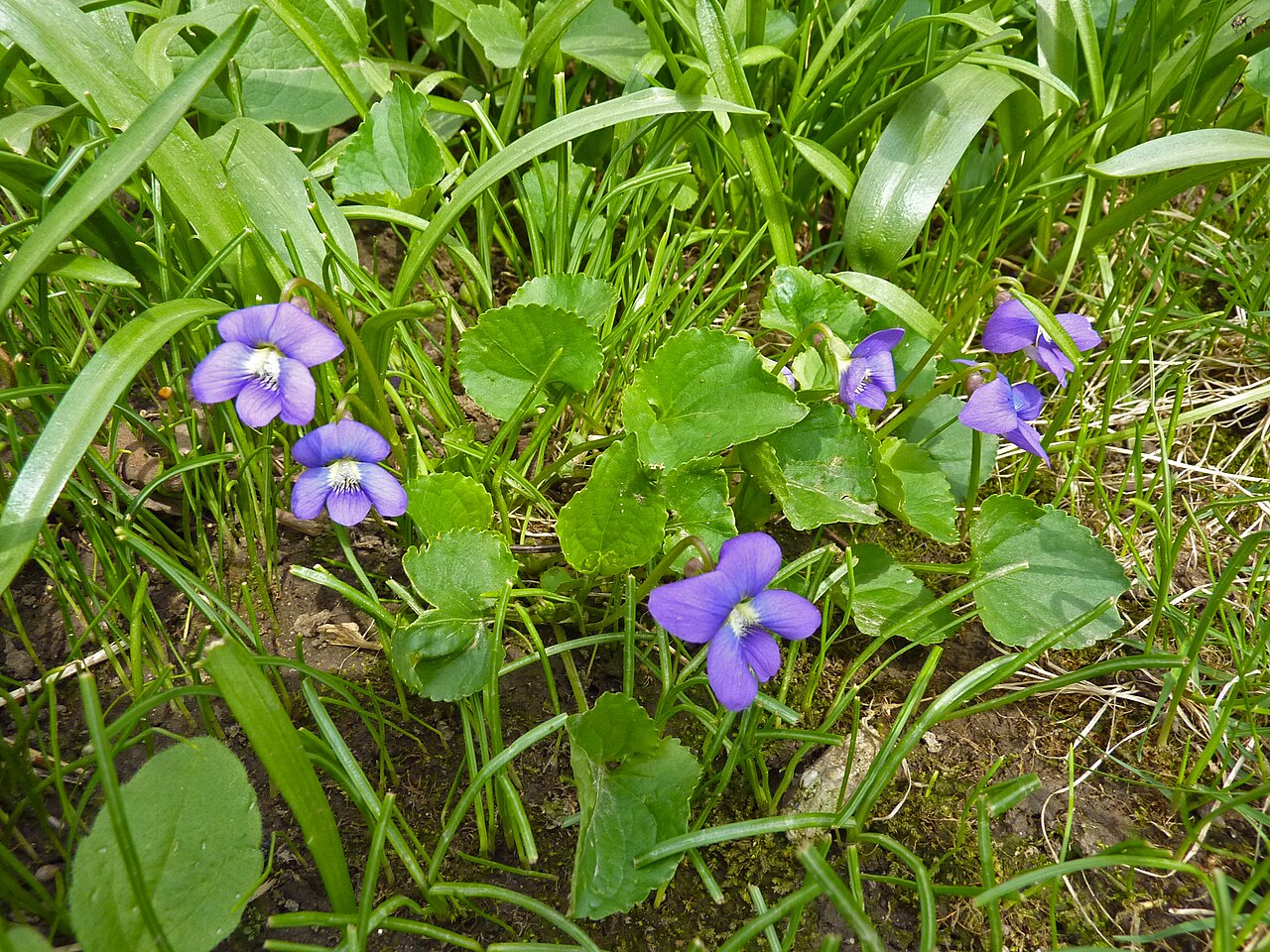
—observations
—countries
—peak records
Least ConcernConservation statusIUCN Red List categoriesLCNTVUENCREWEXLeast ConcernRed List categories, explained →
Diet & prey
- Photosynthetic
Predators
- Great Spangled Fritillary Caterpillars
- Eastern Cottontail
- White-Tailed Deer
ThreatsHerbicides and land development
HabitatsWoodlands, meadows, fields, and lawns
Life span5–10 years or more
Classification
- OrderMalpighiales
- FamilyViolaceae
- GenusViola
- SpeciesViola sororia
Range data is not available yet.
Interaction riskLow
- Low
- Moderate
- High
- Very high
- Why interaction risk is low
- Safe to observe at a normal distance.
Responsible observation
- Spring Spotting: Look for vibrant purple flowers in damp, partially shaded woods or lawns from April to June.
- Caterpillar Host: Inspect the underside of heart-shaped leaves in early summer to spot fritillary butterfly larvae.
- Pod Observation: Check near the base of the plant late in the season to see seed capsules exploding open.
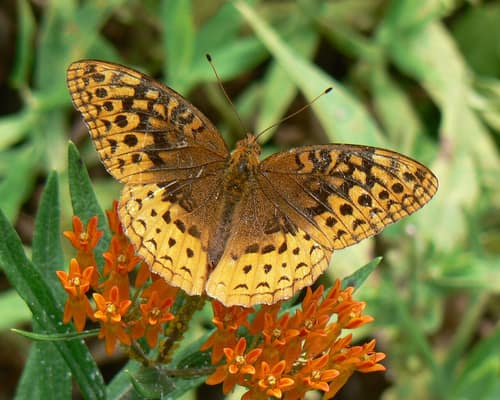
Pollinator Host MONGO / Public domain · cc0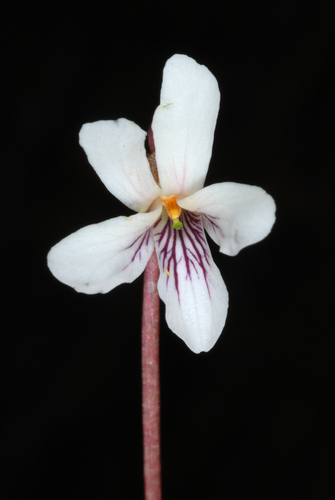
Close Relative (c) Douglas Goldman, some rights reserved (CC BY-SA), uploaded by Douglas Goldman · cc-by-sa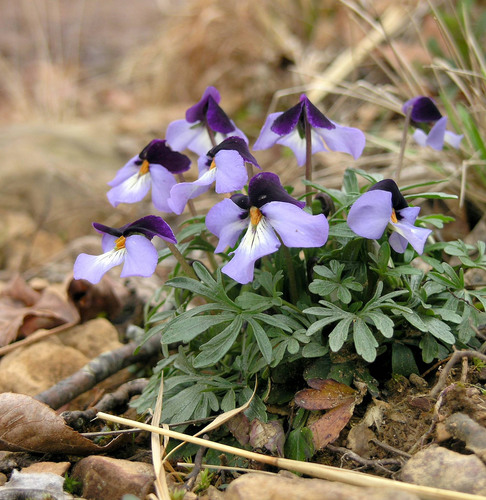
Close Relative (c) Marvin Smith, some rights reserved (CC BY-SA) · cc-by-sa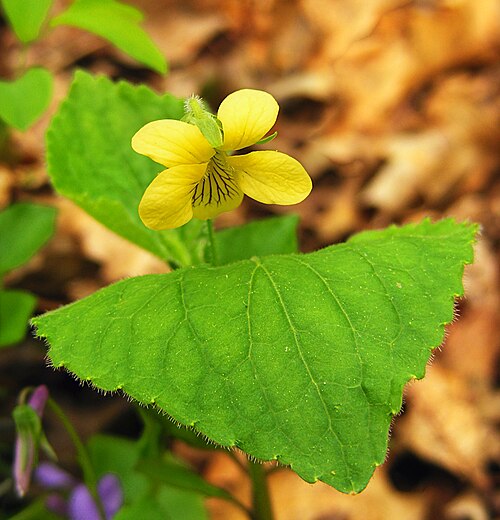
Close Relative Nicholas A. Tonelli from Pennsylvania, USA / CC BY 2.0 · cc-by
Help improve the field guideSomething wrong?
Checking your Fauna account…Report a name, category, or profile issue for review.