
Flower · GBIF taxon 5331181
Sweet Violet
Viola odorataAlso known as English Violet, Wood Violet, Garden Violet, Florist's Violet
Sweet violets carpet forest floors and garden borders in early spring, producing nodding purple blooms celebrated for their delicate, fleeting scent. The flowers produce ionone, an aromatic compound that temporarily dulls human olfactory receptors after a single inhale, making the perfume seem to magically vanish and return. Later in the season, plants produce discreet, self-pollinating closed flowers at soil level and rely on ants to disperse their nutrient-coated seeds.
FragrantPerennialWoodland
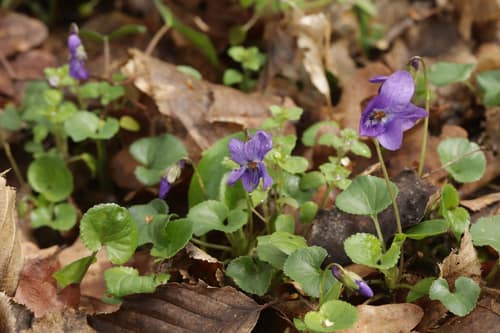
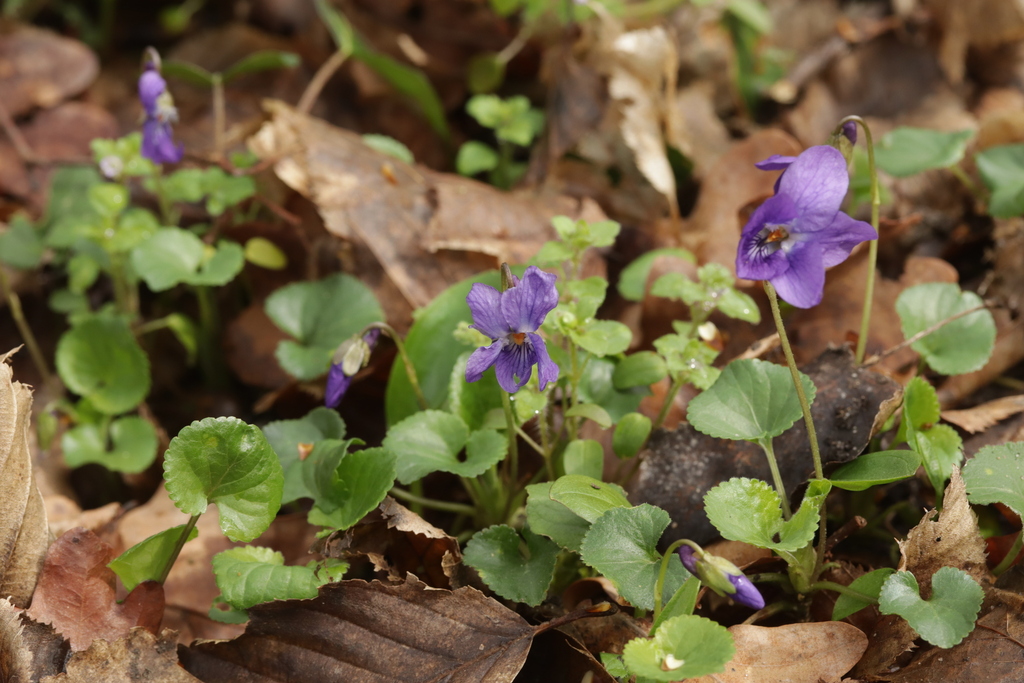
—observations
—countries
—peak records
Least ConcernConservation statusIUCN Red List categoriesLCNTVUENCREWEXLeast ConcernRed List categories, explained →
Diet & prey
- Autotrophic (photosynthesis)
Predators
- Garden snails
- Slugs
- Fritillary caterpillars
ThreatsHabitat clearance, competition from aggressive non-native groundcovers, and herbicide use
HabitatsDeciduous woodlands, forest margins, hedgerows, shaded banks, and gardens
Life spanPerennial; individual rootstocks live 3–10 years
Size / weightNot available
Classification
- OrderMalpighiales
- FamilyViolaceae
- GenusViola
- SpeciesViola odorata
Range data is not available yet.
Interaction riskLow
- Low
- Moderate
- High
- Very high
- Why interaction risk is low
- Safe to observe at a normal distance.
Responsible observation
- Scent Timing: Lean in closely on mild mornings when ambient warmth releases petal oils.
- Shade Search: Scan damp, semi-shaded soil under deciduous hedges and garden shrubs.
- Seed Pods: Check low stolons in late spring to spot explosive capsules shedding seeds.
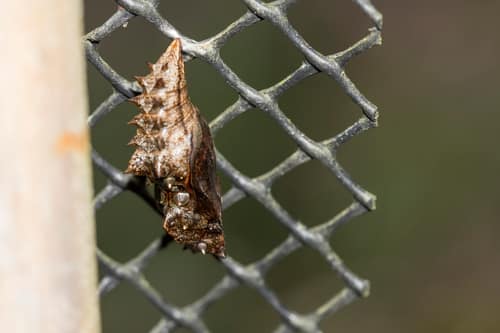
Larval Host (c) Licheng Shih, some rights reserved (CC BY), uploaded by Licheng Shih · cc-by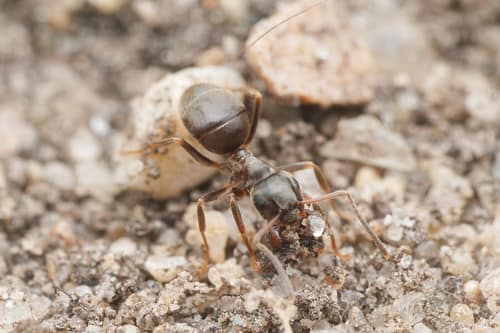
Seed Disperser (c) Jonghyun Park, some rights reserved (CC BY), uploaded by Jonghyun Park · cc-by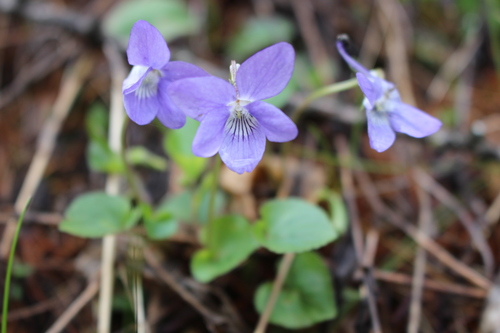
Close Relative (c) Fabien Piednoir, some rights reserved (CC BY-SA), uploaded by Fabien Piednoir · cc-by-sa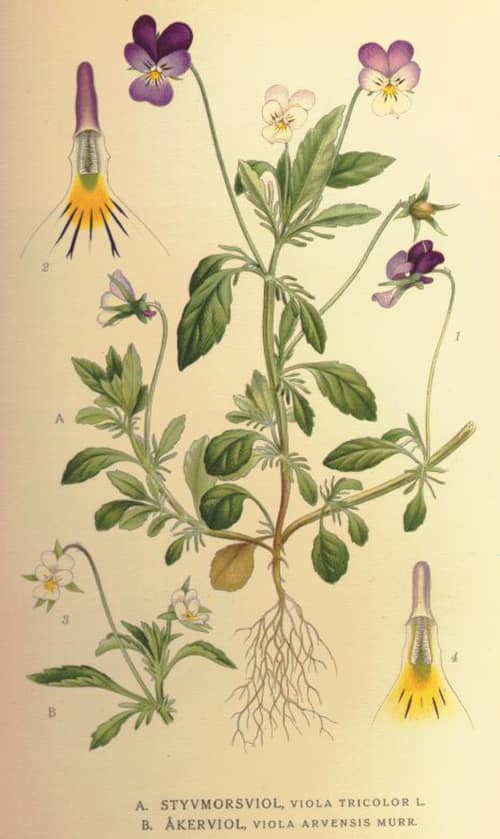
Close Relative Carl Axel Magnus Lindman / Public domain · cc0
Help improve the field guideSomething wrong?
Checking your Fauna account…Report a name, category, or profile issue for review.