
Plant
Green Arrow Arum
Peltandra virginicaAlso known as Tuckahoe, Arrow Arum, Green Arum, Virginia Arrow Arum
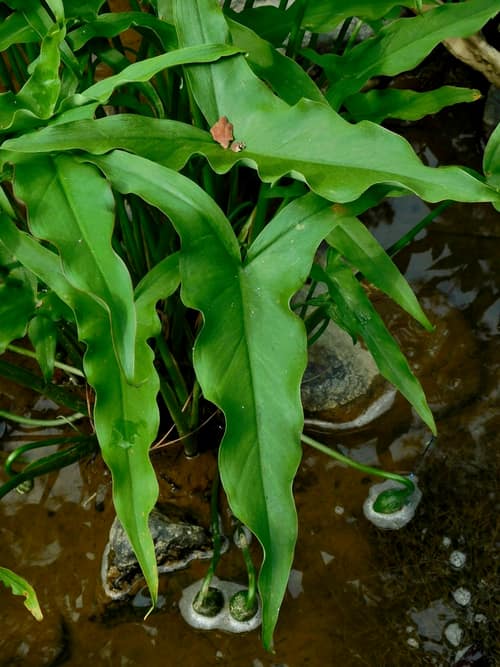
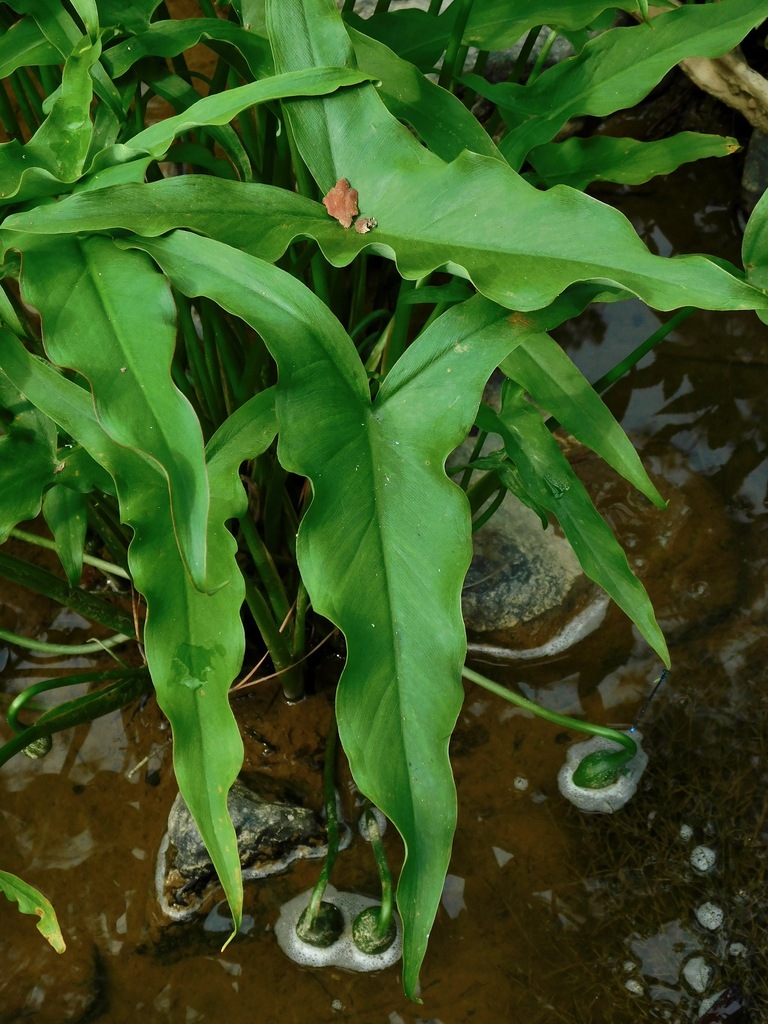
Green arrow arum anchors itself in thick wetland mud with stout, oxygen-tolerant rhizomes, producing glossy, arrow-shaped leaves that form dense aquatic stands. In spring, subtle green spathes enclose hidden flowers pollinated primarily by specialized flies, which are lured inside by heat and subtle scents. As seeds mature in autumn, the heavy fruiting heads bend downwards into the mud or water, dropping shiny berries that float away to establish new colonies.
WetlandEmergentPerennial
—observations
—countries
—peak records
Least ConcernConservation statusIUCN Red List categoriesLCNTVUENCREWEXLeast ConcernRed List categories, explained →
Diet & preyAutotrophic (Photosynthetic)
Predators
- Wood Duck
- Muskrat
- Snapping Turtle
ThreatsWetland draining, invasive plant competition, and severe water pollution
HabitatsFreshwater marshes, swamps, bog margins, and shallow riverbanks
Life spanPerennial (rhizomes endure for decades)
Classification
- FamilyAraceae
- SpeciesPeltandra virginica
Range data is not available yet.
Interaction riskHigh
- Low
- Moderate
- High
- Very high
- Why interaction risk is high
- Contains calcium oxalate; do not ingest. Wild berries have toxic look-alikes; never eat based on app identification alone.
- Why it is dangerous
- Contains insoluble calcium oxalate crystals that cause intense burning and severe swelling in the mouth and throat if chewed or swallowed.
- How to recognize a risky encounter
- Look for dark green, arrow-shaped leaves with three main veins originating from the stem base in wetland mud.
- What to do
- Observe without picking or harvesting, and keep pets away from all parts of the plant.
Responsible observation
- Look for leaves: Search shallow wetland margins for distinctively arrow-shaped leaves with prominent veins.
- Check for spathes: In late spring, look beneath the leaf canopy for greenish, tube-like spathes enclosing flowers.
- Observe fruit clusters: By autumn, the spathes bend down into mud, dropping dense clusters of green-to-brown berries.
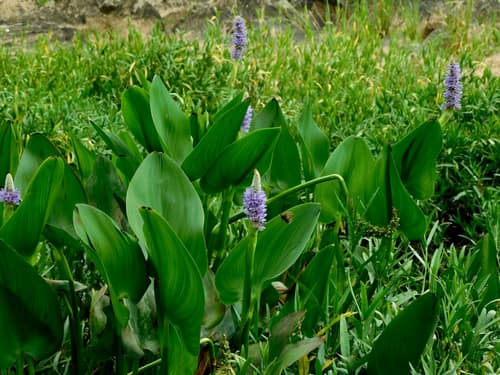
Frequent Companion (c) Michael J. Papay, some rights reserved (CC BY), uploaded by Michael J. Papay · cc-by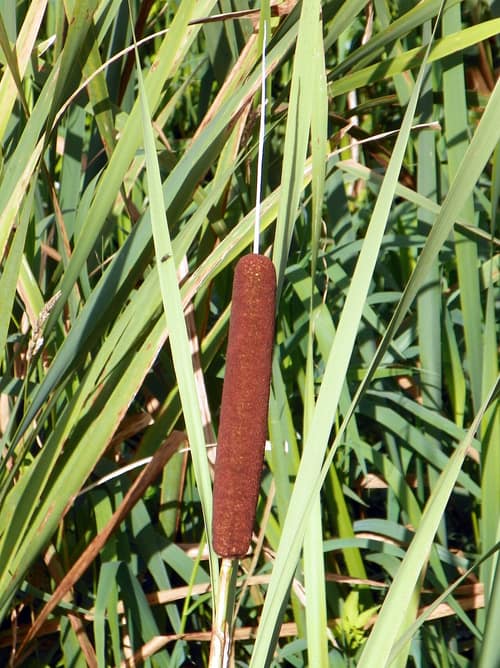
Frequent Companion Peter O'Connor aka anemoneprojectors from Stevenage, United Kingdom / CC BY-SA 2.0 · cc-by-sa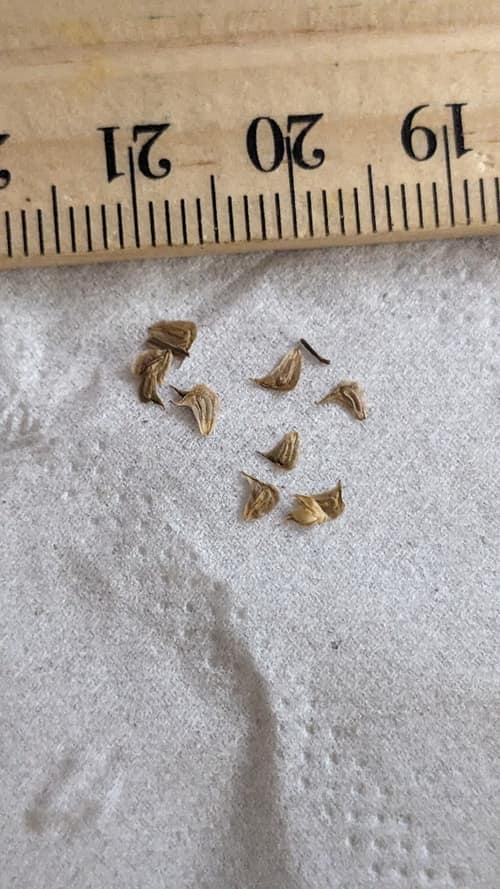
Frequent Companion no rights reserved, uploaded by Nonbinary-Naturalist · cc0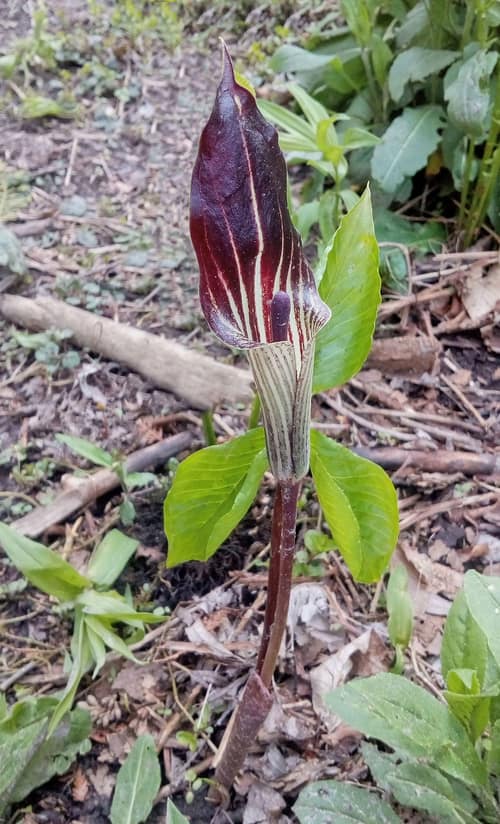
Close Relative СССР / CC BY-SA 2.5 ca · cc-by-sa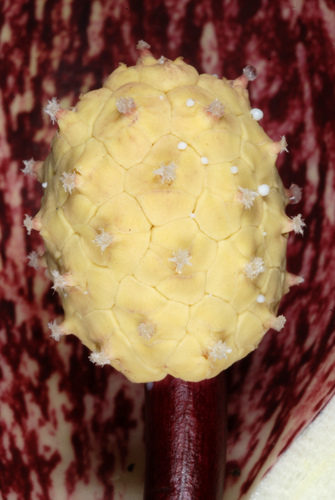
Close Relative (c) Douglas Goldman, some rights reserved (CC BY-SA), uploaded by Douglas Goldman · cc-by-sa
Help improve the field guideSomething wrong?
Checking your Fauna account…Report a name, category, or profile issue for review.