
Plant
Broadleaf Arrowhead
Sagittaria latifoliaAlso known as Duck Potato, Indian Potato, Wapato, Common Arrowhead
Broadleaf arrowhead anchors shallow freshwater ecosystems with its distinctive arrow-shaped leaves and delicate three-petaled white flowers arranged in whorls. Emerging from submerged rootstocks, its glossy foliage rises above mudflats, river margins, and marshes, providing shelter for aquatic microfauna. Below the muddy substrate, the plant spreads via creeping stolons that form starchy tubers heavily utilized by overwintering waterfowl and aquatic mammals.
AquaticWetlandPerennial
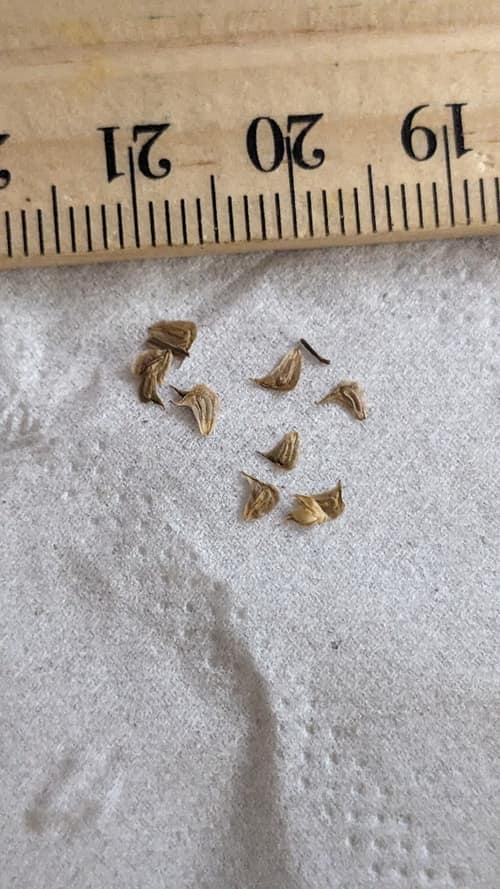

—observations
—countries
—peak records
Least ConcernConservation statusIUCN Red List categoriesLCNTVUENCREWEXLeast ConcernRed List categories, explained →
Diet & preyAutotrophic (Photosynthetic)
Predators
- Canvasback
- Muskrat
- American Beaver
ThreatsWetland drainage, aquatic herbicide runoff, invasive species competition
HabitatsFreshwater marshes, shallow pond margins, stream banks, mudflats
Life spanPerennial
Classification
- FamilyAlismataceae
- SpeciesSagittaria latifolia
Range data is not available yet.
Interaction riskLow
- Low
- Moderate
- High
- Very high
- Why interaction risk is low
- Wild plants and tubers have toxic look-alikes; never eat based on app identification alone.
Responsible observation
- Spotting: Look for distinctive three-lobed arrow leaves along quiet wetland margins from early summer through autumn.
- Habitat Protection: Avoid disturbing soft mudflats where roots anchor delicate young shoots in spring.
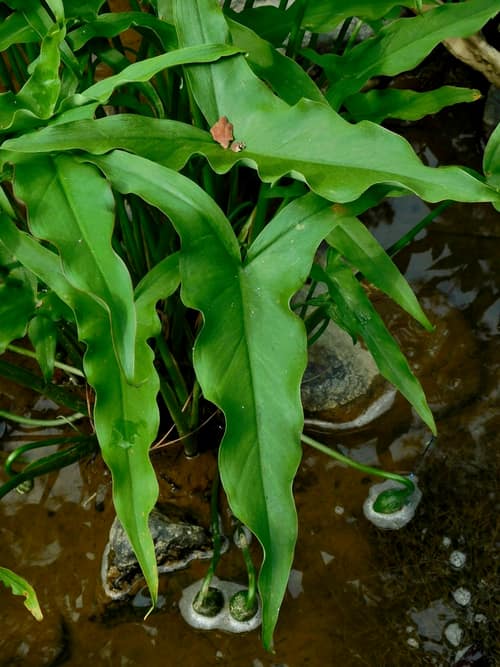
Toxic Look-Alike (c) Michael J. Papay, some rights reserved (CC BY), uploaded by Michael J. Papay · cc-by
Herbivore (c) Owen Strickland, some rights reserved (CC BY), uploaded by Owen Strickland · cc-by
Close Relative (c) Gabriel Campbell-Martinez, some rights reserved (CC BY), uploaded by Gabriel Campbell-Martinez · cc-by
Family Member (c) Terra Occ, some rights reserved (CC BY) · cc-by
Help improve the field guideSomething wrong?
Checking your Fauna account…Report a name, category, or profile issue for review.