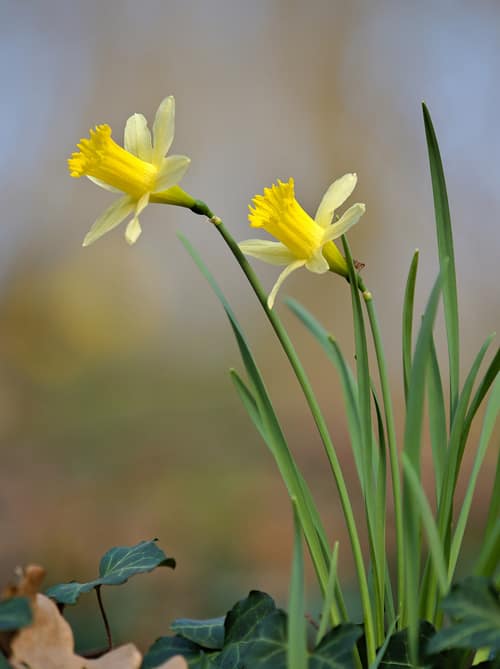
Also known as Autumn Daffodil, Fall Daffodil, Lily-of-the-Field, Yellow Autumn Crocus
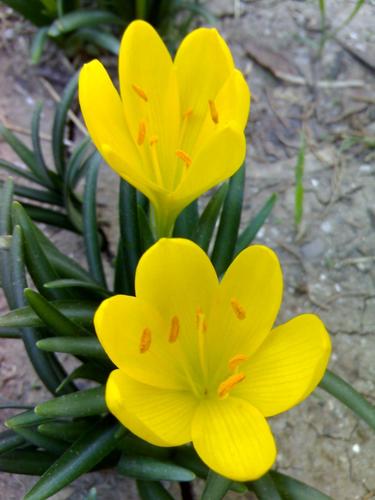
Winter daffodils are Mediterranean-native bulbous perennials that send up bright, chalice-shaped yellow blooms in autumn after the first seasonal rains. Glossy, strap-shaped dark green leaves emerge alongside or shortly after the flowers and remain green through winter to photosynthesize before dying back in late spring. Bees and hoverflies visit the nectar-rich blossoms on mild autumn days, while the plant slowly forms dense clumps by dividing underground bulbs.
Diet & preyPhotosynthesis, soil water, and mineral nutrients
Predators
Slugs
Snails
Narcissus bulb flies
ThreatsHabitat loss from urbanization, over-collection of wild bulbs, and agricultural expansion
HabitatsRocky limestone slopes, dry grasslands, olive groves, and cultivated gardens
Life spanLong-lived perennial (individual bulbs persist for decades)
Classification
FamilyAmaryllidaceae
SpeciesSternbergia lutea
Range & activity
Range data is not available yet.
Safe observation
Interaction riskHigh
Low
Moderate
High
Very high
Why interaction risk is high
Bulbs and foliage contain toxic alkaloids such as lycorine; keep away from pets and never ingest.
Why it is dangerous
Contains Amaryllidaceae alkaloids, primarily lycorine, concentrated in the bulbs; ingestion causes vomiting, diarrhea, and abdominal cramping in humans and pets.
How to recognize a risky encounter
Recognized in autumn by solitary, crocus-like bright yellow six-petaled flowers emerging from a basal cluster of glossy, strap-shaped dark green leaves.
What to do
Wear gloves when dividing or planting bulbs to avoid mild skin irritation, and store bulbs out of reach of children and pets.
Responsible observation
Timing: Look for its golden, cup-shaped flowers in late summer and autumn after early rains.
Garden Care: Plant bulbs in well-drained, sunny spots and leave foliage intact until it yellows naturally.
Pet Safety: Avoid planting in areas where dogs dig, as the underground bulbs are toxic if chewed.


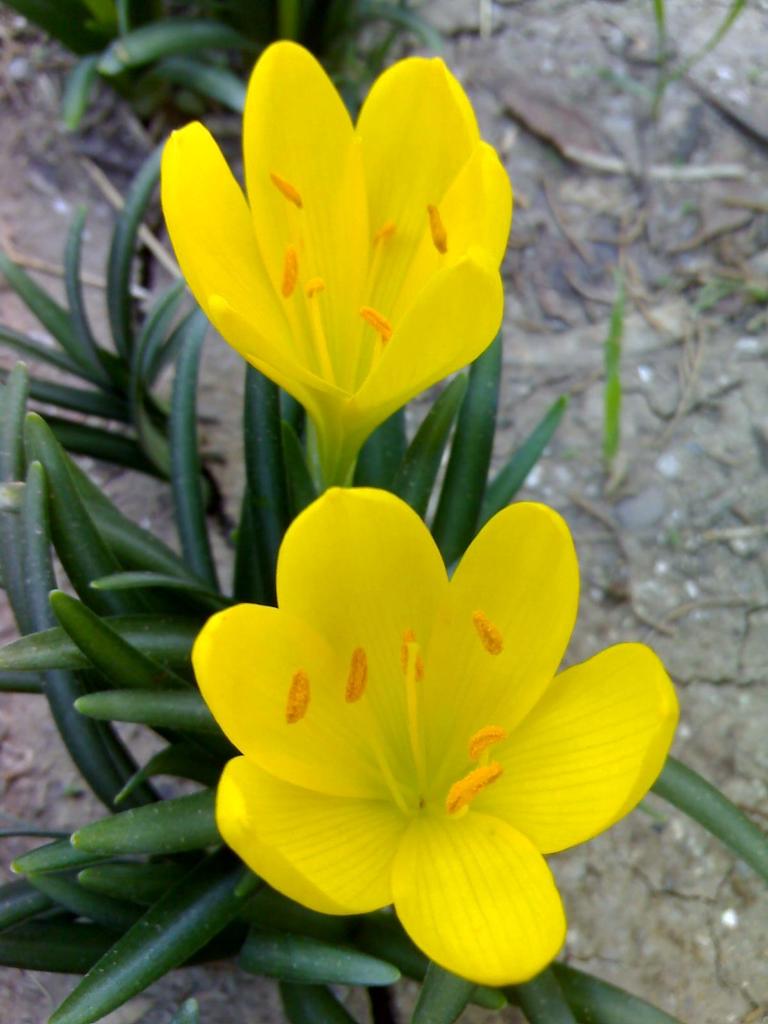
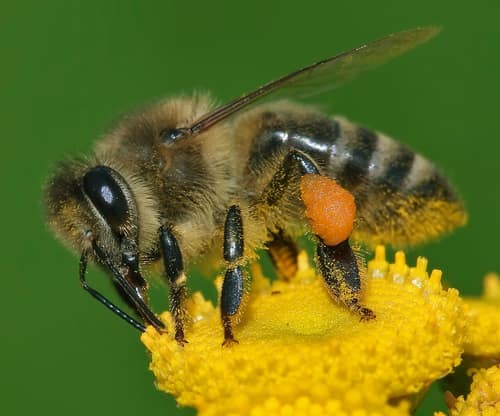
 Image unavailable