
Flower
Society Garlic
Tulbaghia violaceaAlso known as Pink Agapanthus, Wild Garlic, Sweet Garlic
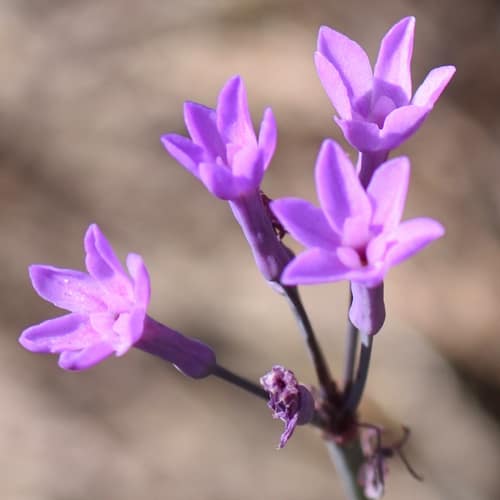
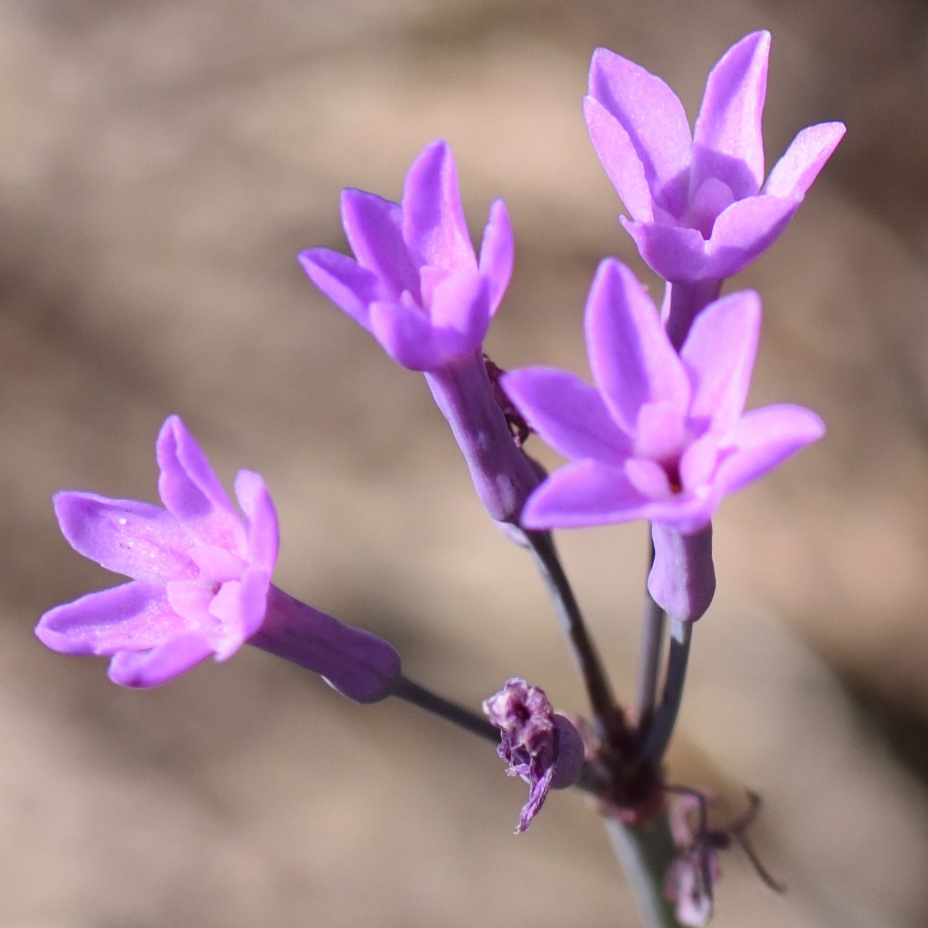
Society garlic forms tidy clumps of slender, strap-shaped foliage that release an unmistakable garlicky scent whenever bruised or brushed against. Throughout spring and summer, sturdy stalks elevate umbels of delicate violet-pink blossoms that attract bees, butterflies, and night-flying moths. Native to rocky grasslands across southern Africa, this resilient perennial thrives under intense sun and acts as a natural deterrent against browsing wildlife and garden pests.
AromaticDrought-TolerantFlowering
—observations
—countries
—peak records
Not EvaluatedConservation statusIUCN Red List categoriesLCNTVUENCREWEXNot Evaluated — not placed on the risk ladderRed List categories, explained →
Diet & preyAutotrophic
Predators
- Slugs
- Snails
- Root-knot nematodes
ThreatsOvercollection for medicinal use and localized habitat destruction
HabitatsGrasslands, rocky slopes, coastal scrub, and arid margins
Life span10–20 years
Classification
- OrderAsparagales
- FamilyAmaryllidaceae
- GenusTulbaghia
- SpeciesTulbaghia violacea
Range data is not available yet.
Interaction riskHigh
- Low
- Moderate
- High
- Very high
- Why interaction risk is high
- Safe to touch, but leaves and rhizomes are toxic to dogs and cats if ingested.
- Why it is dangerous
- Contains sulfur compounds and alkaloids that cause gastrointestinal irritation and hemolytic anemia in dogs and cats.
- How to recognize a risky encounter
- Recognized by narrow, linear grayish-green foliage and terminal umbels of star-shaped lilac flowers on tall, slender stems.
- What to do
- Keep ornamental plantings out of reach of grazing pets and avoid planting in enclosures where animals browse.
Responsible observation
- Aroma Check: Gently rub a single leaf tip between your fingers to experience the strong garlic aroma without breaking the plant stem.
- Garden Bordering: Grow along pathway borders or rock gardens where foot traffic can release its scent while deterring garden pests.
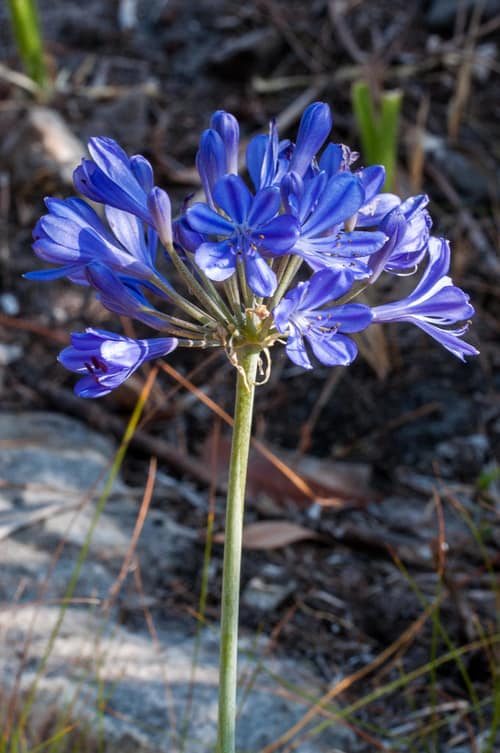
Look-alike (c) magriet b, some rights reserved (CC BY-SA), uploaded by magriet b · cc-by-sa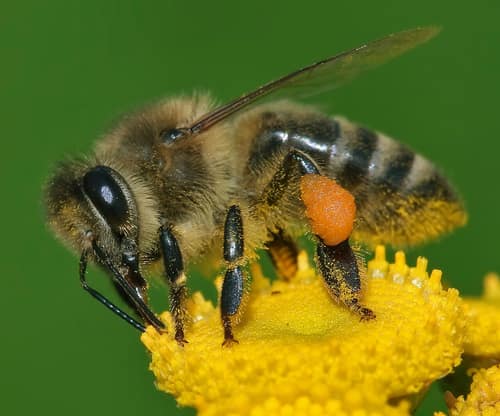
Pollinator Andreas Trepte / CC BY-SA 2.5 · cc-by-sa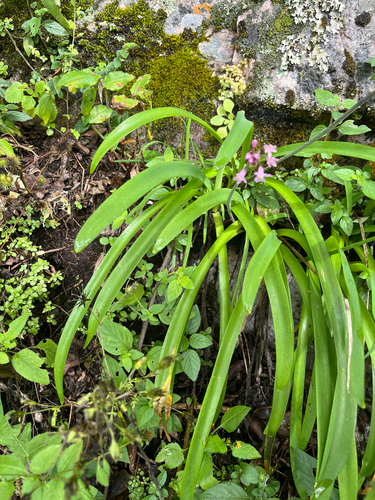
Close Relative (c) katuchka, some rights reserved (CC BY) · cc-by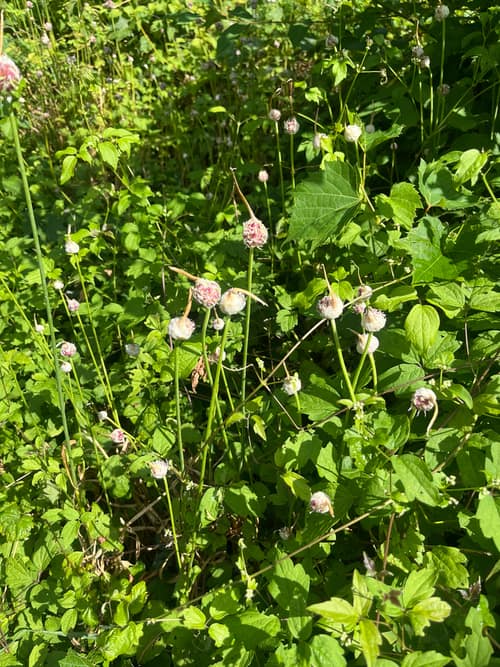
Same Family (c) Lillian Faria, some rights reserved (CC BY), uploaded by Lillian Faria · cc-by
Help improve the field guideSomething wrong?
Checking your Fauna account…Report a name, category, or profile issue for review.