Also known as Resurrection Lily, Naked Ladies, Magic Lily, Pink Flamingo Flower
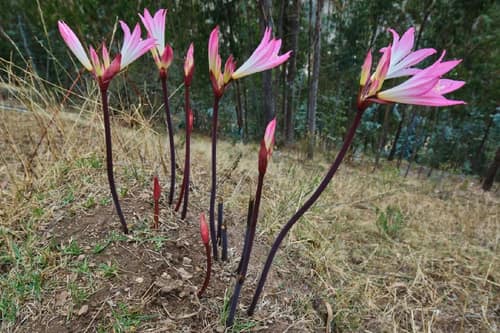
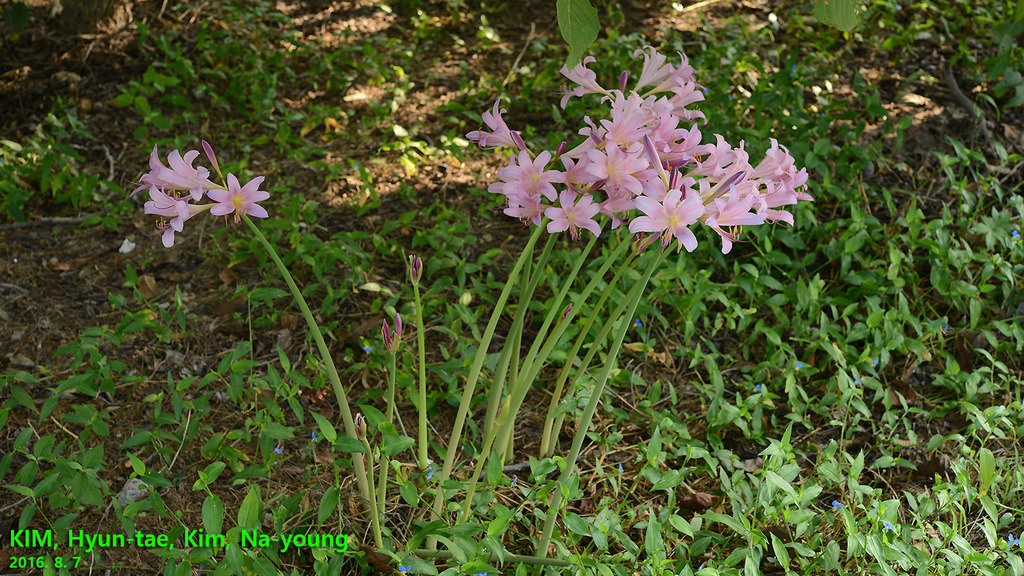
Surprise lilies produce lush, strap-like foliage early in spring that completely dies back and vanishes by early summer. Weeks later in late summer, stout naked stalks shoot up rapidly from the soil, blooming into fragrant clusters of rosy-pink, trumpet-shaped flowers without a single leaf present. Because these plants are sterile triploids, they do not produce viable seeds and rely entirely on underground bulb division to propagate.
Not EvaluatedConservation statusIUCN Red List categoriesLCNTVUENCREWEXNot Evaluated — not placed on the risk ladderRed List categories, explained →
Key facts
Diet & prey
Autotroph (photosynthesis)
Predators
Narcissus Bulb Fly
Slugs
Snails
ThreatsHabitat conversion and over-collection of wild bulb stock
HabitatsTemperate woodland edges, moist meadows, hillsides, and cultivated gardens
Life spanPerennial (bulbs persist for decades)
Size / weightNot available
Classification
OrderAsparagales
FamilyAmaryllidaceae
GenusLycoris
SpeciesLycoris squamigera
Range & activity
Range data is not available yet.
Safe observation
Interaction riskHigh
Low
Moderate
High
Very high
Why interaction risk is high
Bulbs contain toxic alkaloids; harmful to humans, dogs, and cats if ingested.
Why it is dangerous
All plant tissues, particularly the subterranean bulbs, contain toxic isoquinoline alkaloids including lycorine that induce severe vomiting, diarrhea, abdominal pain, and potential heart arrhythmias if swallowed.
How to recognize a risky encounter
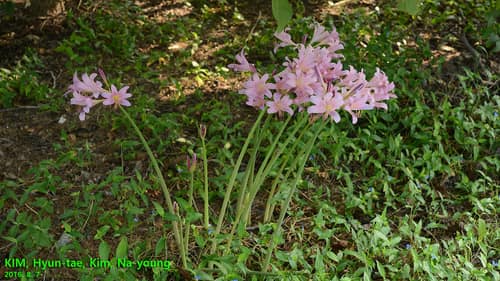
Recognized in late summer by robust, leafless green stalks terminating in an umbel of four to seven pink, fragrant, lily-like flowers.
What to do
Admire without picking or consuming any portion, and ensure dogs or livestock do not dig up or chew dormant bulbs.
Responsible observation
Observation Timing: Look for bare flower spikes emerging rapidly in late July and August.
Landscape Etiquette: Avoid disturbing underground bulbs during early summer dormancy.

 1 / 7
1 / 7