Also known as Yellow Spider Lily, Golden Hurricane Lily, Yellow Surprise Lily
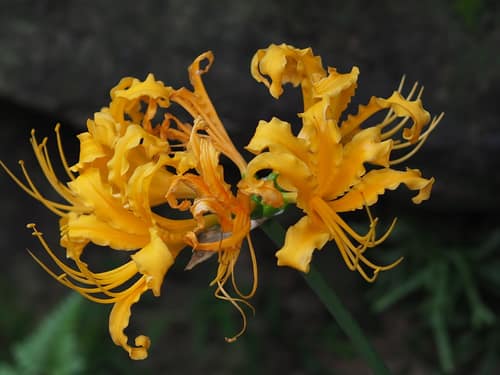
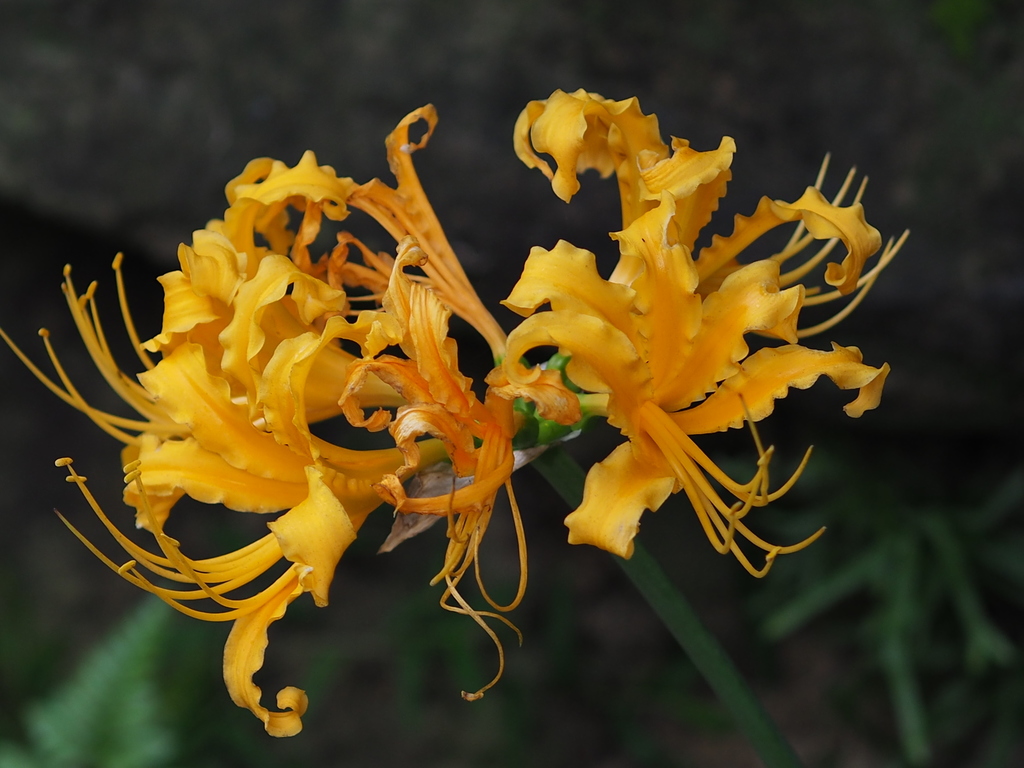
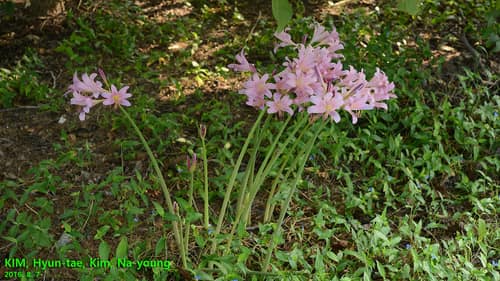
Golden spider-lilies burst into bloom in late summer and early autumn on leafless stalks, producing umbels of radiant yellow blossoms with dramatically curved petals and long, sweeping stamens. The strap-shaped foliage emerges only after the flowers have faded, remaining vibrant through the winter before dying back in late spring. Adapted to moist, dappled slopes and rocky woodland margins across East Asia, they rely on subterranean bulbs that divide and form expanding colonies over decades.
Not EvaluatedConservation statusIUCN Red List categoriesLCNTVUENCREWEXNot Evaluated — not placed on the risk ladderRed List categories, explained →
Key facts
Diet & preyAutotrophic (photosynthesis)
ThreatsOver-collection of wild bulbs and habitat destruction
HabitatsShaded forest edges, moist hillsides, and limestone rock crevices
Life spanPerennial (decades through bulb propagation)
Classification
FamilyAmaryllidaceae
SpeciesLycoris aurea
Range & activity
Range data is not available yet.
Safe observation
Interaction riskHigh
Low
Moderate
High
Very high
Why interaction risk is high
Contains toxic alkaloids such as lycorine; harmful to humans, dogs, and cats if ingested.
Why it is dangerous
All parts, especially the bulbs, contain the alkaloid lycorine, which induces intense vomiting, abdominal pain, diarrhea, and convulsions if swallowed.
How to recognize a risky encounter
Bright golden-yellow trumpet-like flowers with curled petals and exceptionally long stamens arising on solitary, leafless green stems.
What to do
Do not consume any part of the plant, and wash hands thoroughly after handling bulbs or bruised stems.
Responsible observation
Observation Timing: Look for blossoms in late summer or early fall when stalks shoot up before leaves appear.
Pet Safety: Keep companion animals away, as bulb ingestion triggers severe digestive upset.
Cultivation Respect: Admire wild specimens without disturbing their root systems or digging up bulbs.