
Plant
Moth Orchid
Phalaenopsis amabilisAlso known as Moon Orchid, Mariposa Orchid, Anggrek Bulan
Clinging to tropical forest trees across Southeast Asia and northern Australia, the moth orchid produces cascading sprays of brilliant white blossoms that can endure for months. Thick, fleshy roots anchor the plant to rough bark while absorbing moisture and atmospheric nutrients directly from humid rainforest air. As one of Indonesia's national flowers, it plays a vital cultural role while remaining a staple of indoor plant collections globally.
EpiphyteFloweringTropical
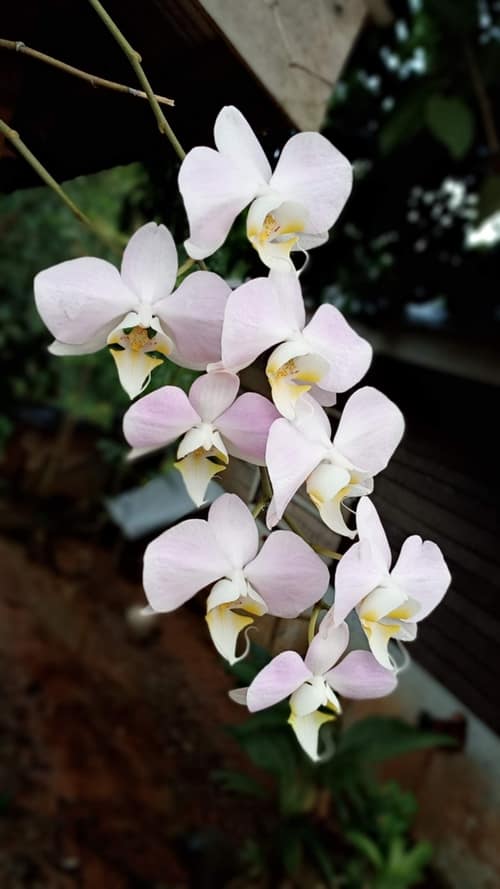
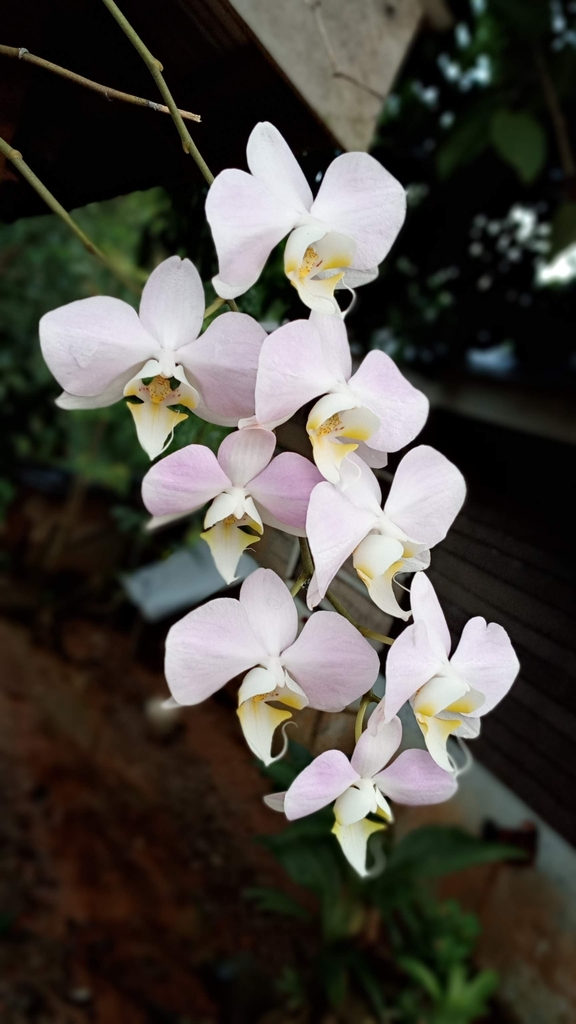
—observations
—countries
—peak records
Least ConcernConservation statusIUCN Red List categoriesLCNTVUENCREWEXLeast ConcernRed List categories, explained →
Diet & preyAutotrophic (Photosynthetic)
Predators
- Snails
- Slugs
- Mealybugs
ThreatsHabitat destruction, illegal wild poaching
HabitatsTropical rainforests, humid river valleys, lowland canopy trees
Life span20–50+ years
Classification
- OrderAsparagales
- FamilyOrchidaceae
- GenusPhalaenopsis
- SpeciesPhalaenopsis amabilis
Range data is not available yet.
Interaction riskLow
- Low
- Moderate
- High
- Very high
- Why interaction risk is low
- Harmless epiphyte; safe to observe at a normal distance.
Responsible observation
- Light Requirements: Provide bright, indirect sunlight to mirror its natural rainforest canopy environment.
- Watering Needs: Allow coarse bark media to dry slightly between waterings to prevent root rot.
- Ethical Sourcing: Purchase only cultivated nursery stock to protect wild populations from poaching.
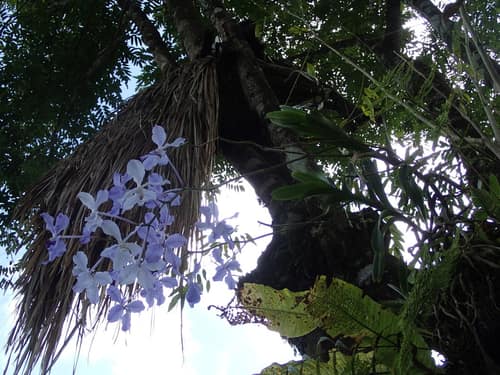
Co-occurring Epiphyte (c) Jigu, some rights reserved (CC BY) · cc-by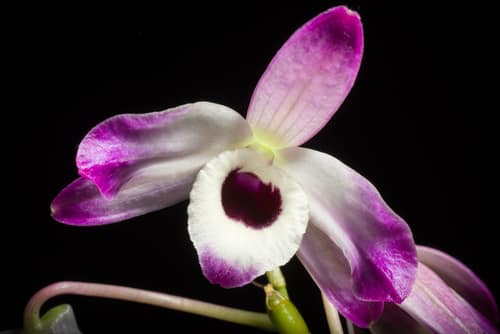
Fellow Orchid (c) Motohiro Sunouchi, some rights reserved (CC BY) · cc-by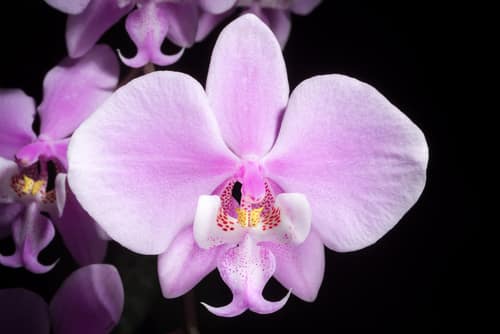
Close Relative (c) sunoochi, some rights reserved (CC BY) · cc-by
Help improve the field guideSomething wrong?
Checking your Fauna account…Report a name, category, or profile issue for review.