
Plant
Dragon-tree
Dracaena dracoAlso known as Canary Islands Dragon Tree, Drago, Dragon's Blood Tree
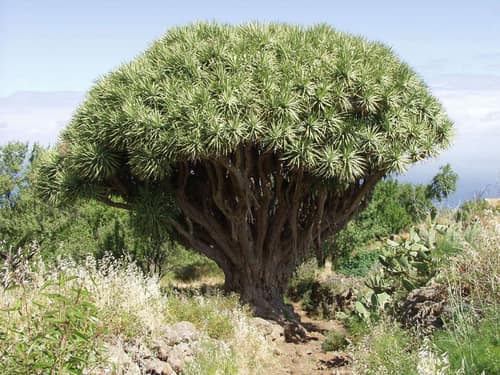
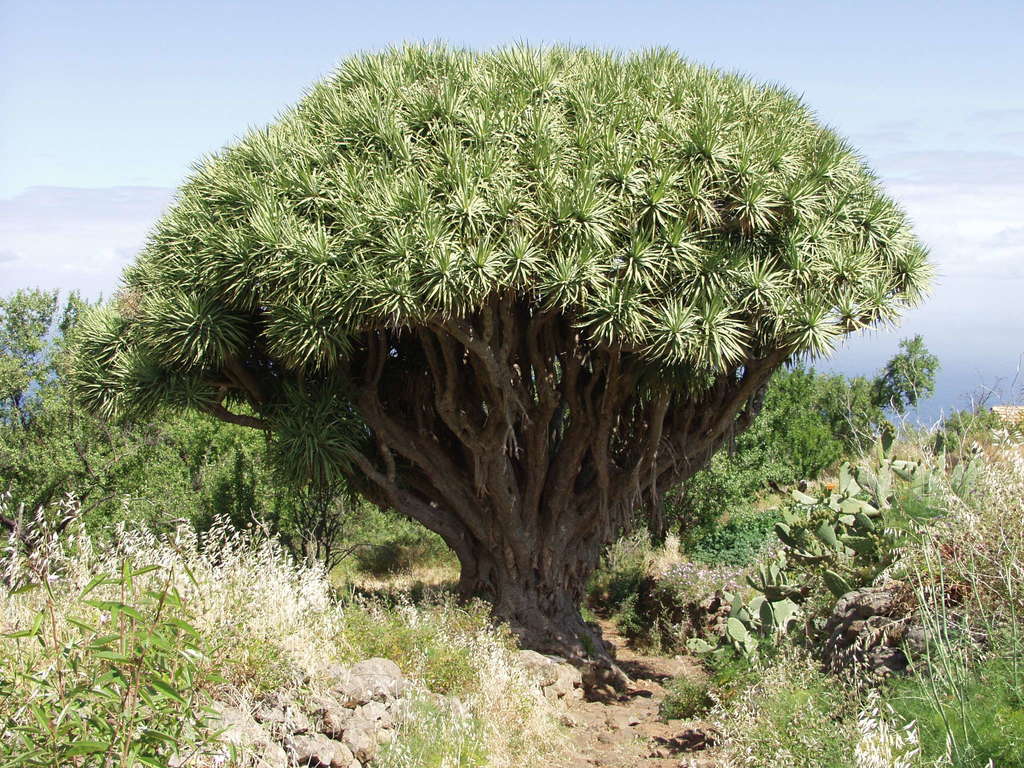
Canary Islands dragon trees feature a stout trunk topped by a dense umbrella-shaped crown of stiff, sword-like leaves. Unlike typical trees that grow annual growth rings, this monocot branches only after flowering or fruiting, which occurs roughly once every ten to fifteen years. When its bark or leaves are wounded, the plant secretes a dark red resin known historically as dragon's blood, prized for centuries in varnishes, folk remedies, and dyes.
ArborescentDrought-TolerantLong-Lived
—observations
—countries
—peak records
EndangeredConservation statusIUCN Red List categoriesLCNTVUENCREWEXEndangeredRed List categories, explained →
Diet & preyAutotrophic (photosynthetic)
Predators
- Feral goats
- Rabbits
ThreatsHabitat destruction, overgrazing by introduced herbivores, and slow regeneration
HabitatsSubtropical cliffs, rocky ravines, coastal slopes, and arid scrub
Life spanSeveral centuries (potentially over 600 years)
Classification
- OrderAsparagales
- FamilyAsparagaceae
- GenusDracaena
- SpeciesDracaena draco
Range data is not available yet.
Interaction riskHigh
- Low
- Moderate
- High
- Very high
- Why interaction risk is high
- Contains saponins toxic to dogs and cats if ingested; wild berries have toxic look-alikes, so never consume.
- Why it is dangerous
- Leaves and berries contain steroidal saponins that cause vomiting, hypersalivation, and lethargy in dogs and cats.
- How to recognize a risky encounter
- Look for a thick, gray trunk splitting into dense rosettes of stiff, blue-green, lance-shaped leaves.
- What to do
- Prevent household pets from chewing on fallen leaves or fruit, and wash hands after handling damaged tissue.
- What to notice
- Recognizable on rugged Macaronesian ravines by its dense, mushrooming crown and fibrous, ring-scared trunk.
- Support conservation
- Stay on marked trails in native habitats to prevent soil erosion and protect slow-growing saplings from trampling.
Responsible observation
- Viewing Etiquette: Avoid carving or tapping the trunk, as damage invites bacterial decay into the fibrous stem.
- Pet Safety: Keep companion animals away from fallen foliage and berries, which contain irritating saponins.
- Cultivation: Grow in sharply draining mineral soil with full sun exposure to mimic its native volcanic slopes.
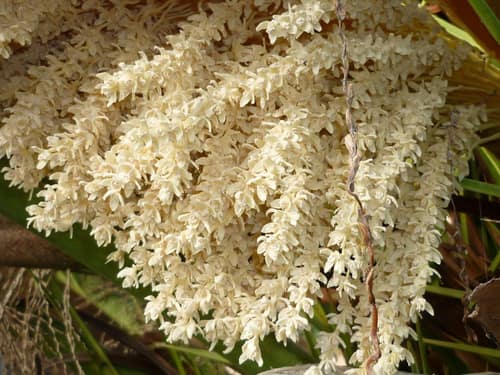
Neighbor (c) Jesús Cabrera, some rights reserved (CC BY) · cc-by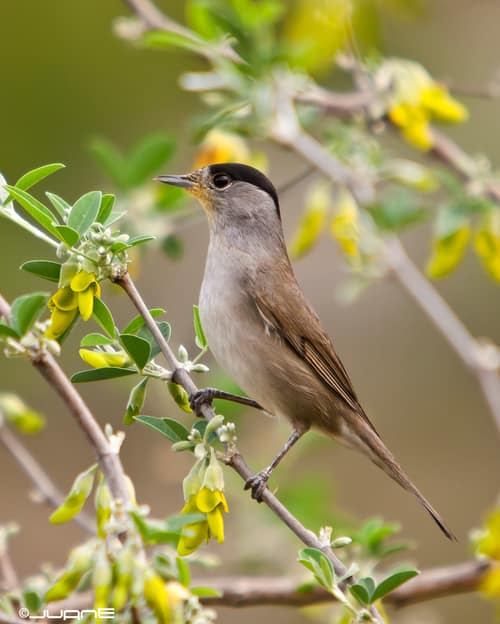
Seed Disperser (c) Juan Emilio, some rights reserved (CC BY-SA) · cc-by-sa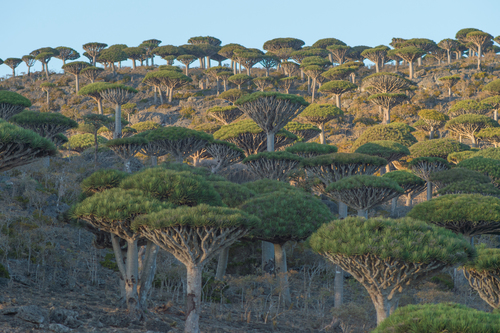
Close Relative (c) Morten Ross, some rights reserved (CC BY), uploaded by Morten Ross · cc-by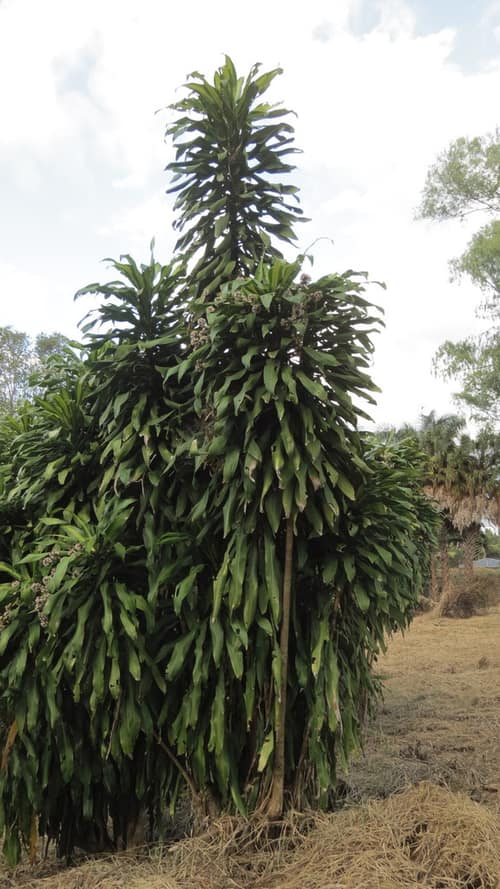
Close Relative no rights reserved, uploaded by maryury · cc0
Help improve the field guideSomething wrong?
Checking your Fauna account…Report a name, category, or profile issue for review.