
Plant
Golden Canna
Canna flaccidaAlso known as Bandanna of the Everglades, Golden Canna Lily, Yellow Canna
Golden canna thrives in shallow freshwater marshes, swamp edges, and roadside ditches across the southeastern United States. Large, soft yellow flowers open late in the afternoon and last until the following mid-day, drawing pollinators like night-flying moths and bees. Thick underground rhizomes spread horizontally through waterlogged soil, forming expansive colonies that help stabilize muddy shorelines.
WetlandFloweringPerennial
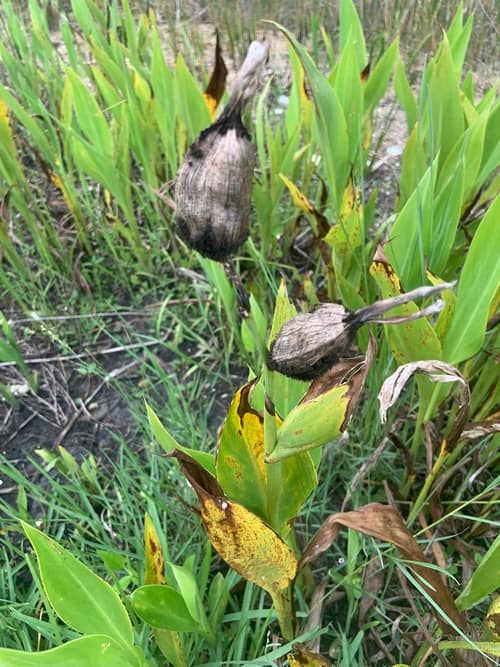
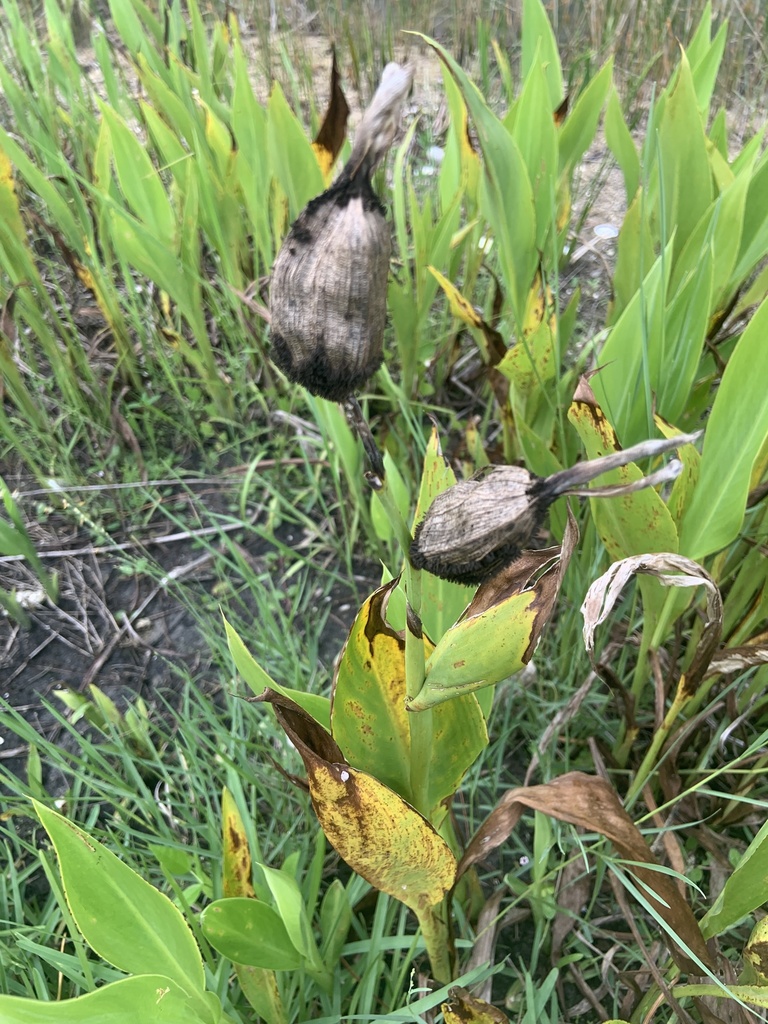
—observations
—countries
—peak records
Least ConcernConservation statusIUCN Red List categoriesLCNTVUENCREWEXLeast ConcernRed List categories, explained →
Diet & preyAutotrophic (Photosynthetic)
Predators
- Canna Leaf Roller Caterpillars
- Grasshoppers
- Mammalian Herbivores
ThreatsWetland drainage, invasive plant competition, habitat alteration
HabitatsFreshwater marshes, swamp margins, roadside ditches, lake edges
Life spanPerennial (rhizomes persist indefinitely)
Classification
- OrderZingiberales
- FamilyCannaceae
- GenusCanna
- SpeciesCanna flaccida
Range data is not available yet.
Interaction riskLow
- Low
- Moderate
- High
- Very high
- Why interaction risk is low
- Safe to observe at a normal distance.
Responsible observation
- Observing Blooms: Look for delicate yellow petals that expand during late afternoon and wilt by the next mid-day.
- Habitat Care: Avoid trampling muddy marsh margins to preserve fragile underground rhizomes.
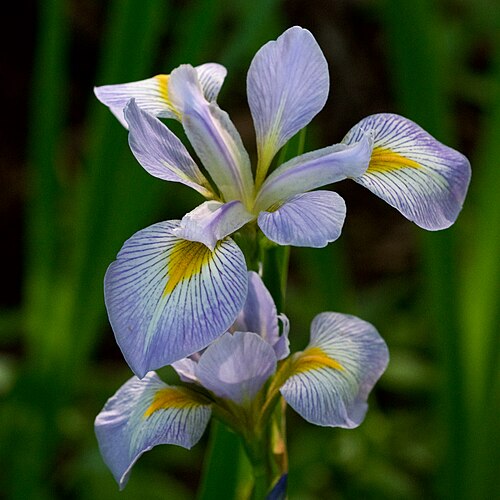
Co-Occurring Plant Eric Hunt / CC BY-SA 4.0 · cc-by-sa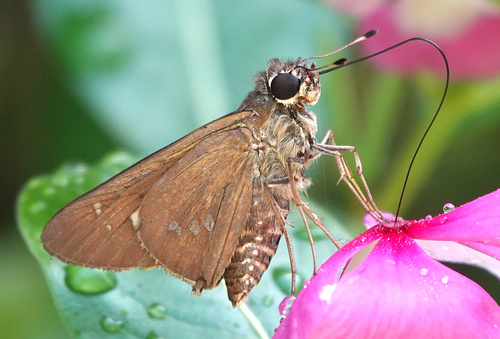
Herbivore Host (c) Pam Kleinsasser, some rights reserved (CC BY), uploaded by Pam Kleinsasser · cc-by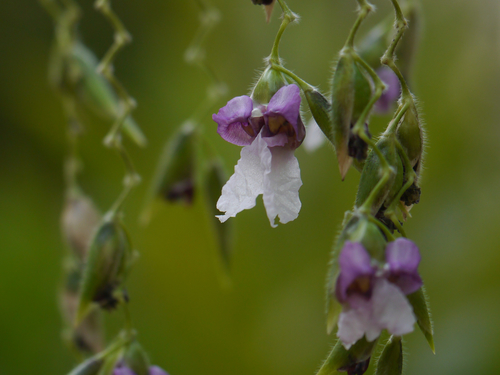
Frequent Companion (c) Dinesh Valke, some rights reserved (CC BY-SA) · cc-by-sa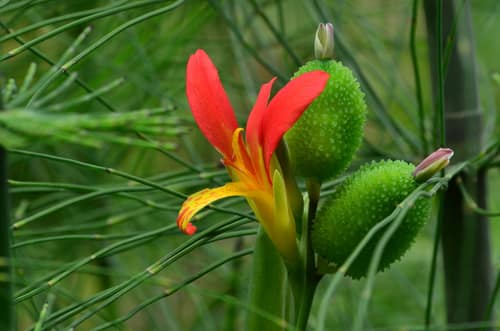
Close Relative (c) Guillermo López Escalera Argueta, some rights reserved (CC BY-SA), uploaded by Guillermo López Escalera Argueta · cc-by-sa
Help improve the field guideSomething wrong?
Checking your Fauna account…Report a name, category, or profile issue for review.