
Plant · GBIF taxon 5299675
Garden Tulip
Tulipa gesnerianaAlso known as Didier's Tulip, Cultivated Tulip
Garden tulips are spring-blooming perennials famous for their goblet-shaped flowers that open wide in direct sunlight and close up at night or in cool weather. They grow from tunicated underground bulbs, producing waxy blue-green leaves and a single central flower stem available in virtually every color except pure blue. Cultivated for centuries since their introduction to Western Europe from the Ottoman Empire, these iconic blossoms rely on winter chilling to trigger their vibrant spring display.
Spring BloomOrnamentalBulb
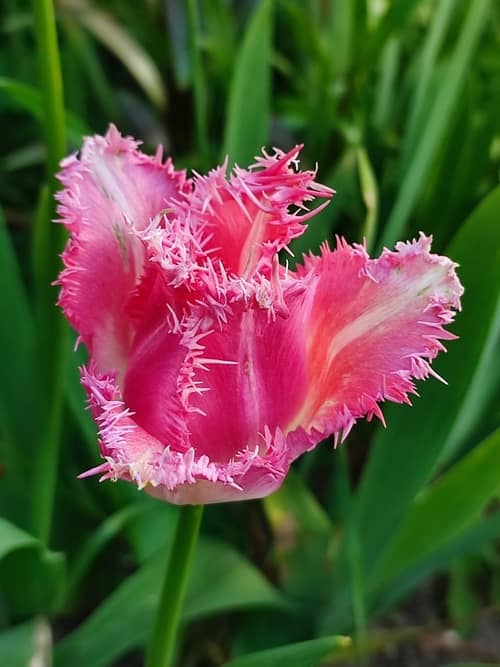
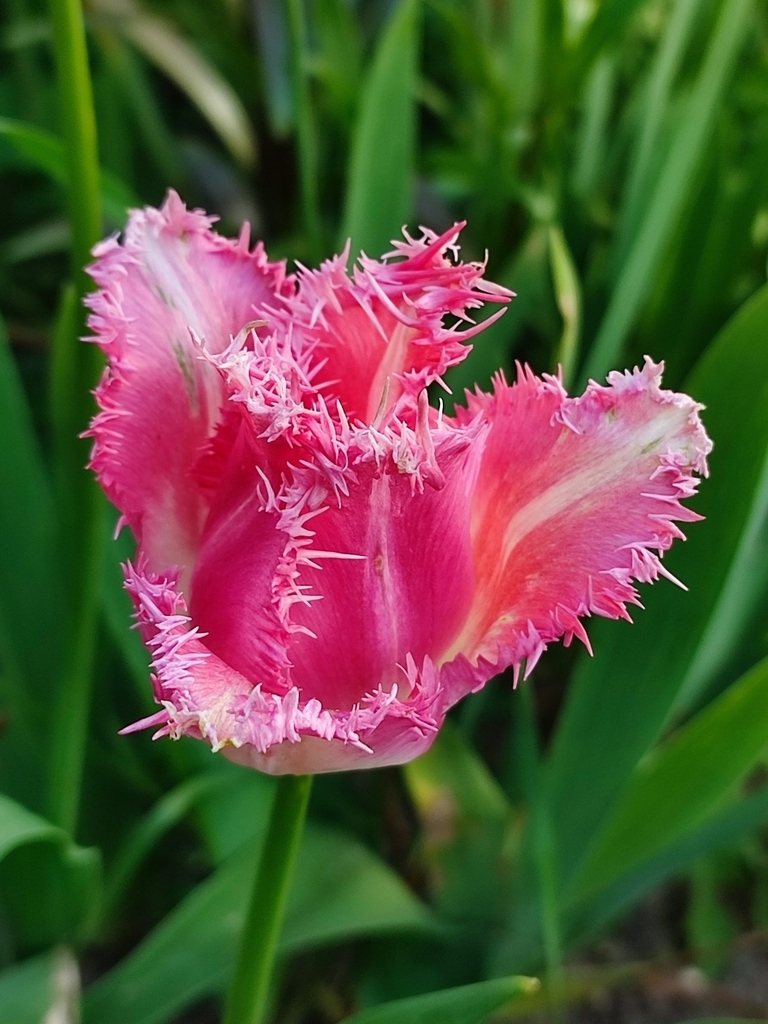 1 / 7
1 / 7—observations
—countries
—peak records
Not EvaluatedConservation statusIUCN Red List categoriesLCNTVUENCREWEXNot Evaluated — not placed on the risk ladderRed List categories, explained →
Diet & prey
- Autotrophic (Photosynthetic)
Predators
- Squirrels
- Mice and Voles
- White-tailed Deer
ThreatsFungal diseases like tulip fire, bulb rot, and herbivory by rodents
HabitatsGardens, cultivated fields, parks, and naturalized meadows
Life spanPerennial (bulbs persist for many years with proper chilling)
Size / weightNot available
Classification
- OrderLiliales
- FamilyLiliaceae
- GenusTulipa
- SpeciesTulipa gesneriana
Range data is not available yet.
Interaction riskHigh
- Low
- Moderate
- High
- Very high
- Why interaction risk is high
- Bulbs contain tulipalin compounds toxic to humans and pets; wear gloves when handling large quantities.
- Why it is dangerous
- Contains tulipalin compounds that cause gastrointestinal distress if eaten and contact dermatitis known as tulip finger upon heavy handling.
- How to recognize a risky encounter
- Recognized by smooth, waxy blue-green leaves surrounding a single central erect stem topped with a large six-tepaled flower.
- What to do
- Wear gloves when handling or planting large numbers of bulbs and keep them stored safely away from pets and children.
Responsible observation
- Sunlight Needs: Plant bulbs in full sun to ensure strong stems and full flower expansion.
- Soil Preparation: Ensure rich, well-draining soil to prevent winter bulb rot from excess water.
- Post-Bloom Care: Allow foliage to die back naturally after blooming so energy returns to the bulb.
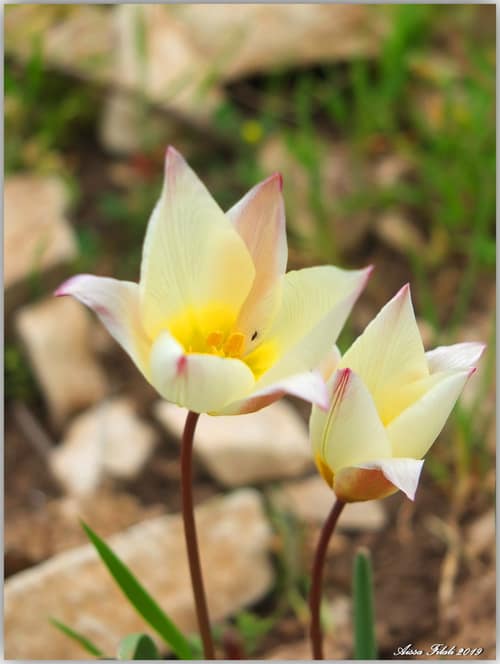
Wild Ancestor (c) Aissa Djamel Filali, some rights reserved (CC BY-SA), uploaded by Aissa Djamel Filali · cc-by-sa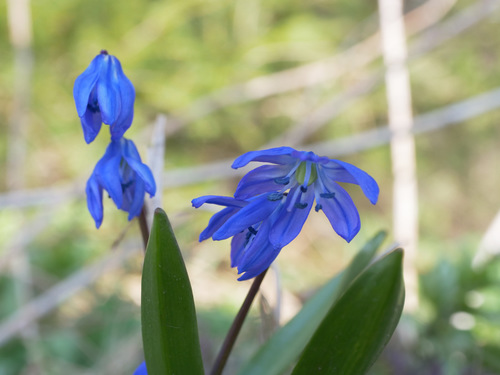
Spring Companion (c) Wolfgang Jauch, some rights reserved (CC BY) · cc-by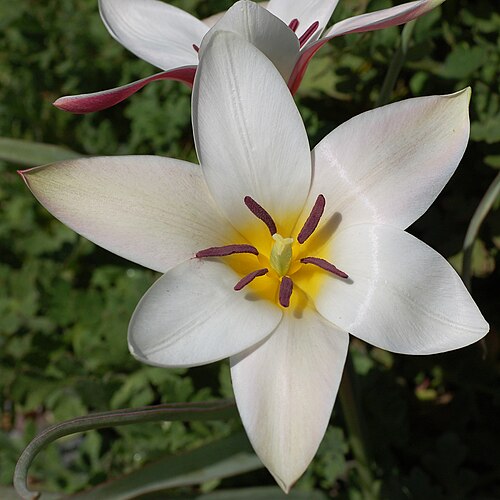
Close Relative Photo by and (c)2007 Derek Ramsey (Ram-Man). Location credit to the Chanticleer Garden. / CC BY-SA 3.0 · cc-by-sa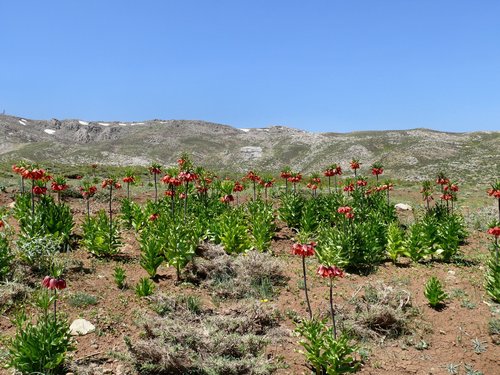
Family Member (c) dynamosquito, some rights reserved (CC BY-SA) · cc-by-sa
Help improve the field guideSomething wrong?
Checking your Fauna account…Report a name, category, or profile issue for review.