
Plant · GBIF taxon 5298900
Japanese Iris
Iris ensataAlso known as Japanese Water Iris, Hanashobu
Japanese irises thrive in saturated, acidic soils along stream banks and bog edges, producing magnificent summer blooms with broad, velvety petals. Cultivated in Japan for centuries, these perennials feature distinct upright leaf blades with prominent central ridges and dramatic flowers ranging from deep violet to pure white. They rely on bumblebees and other pollinators attracted to hidden nectar guides tucked deep within the floral throat.
WetlandPerennialShowy Bloom
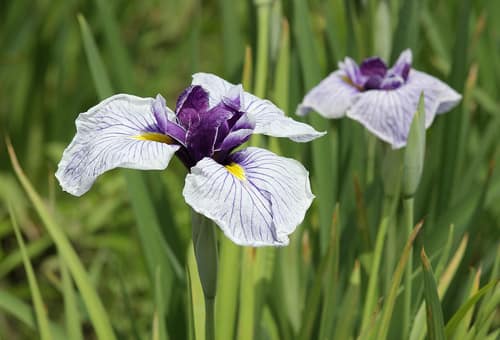
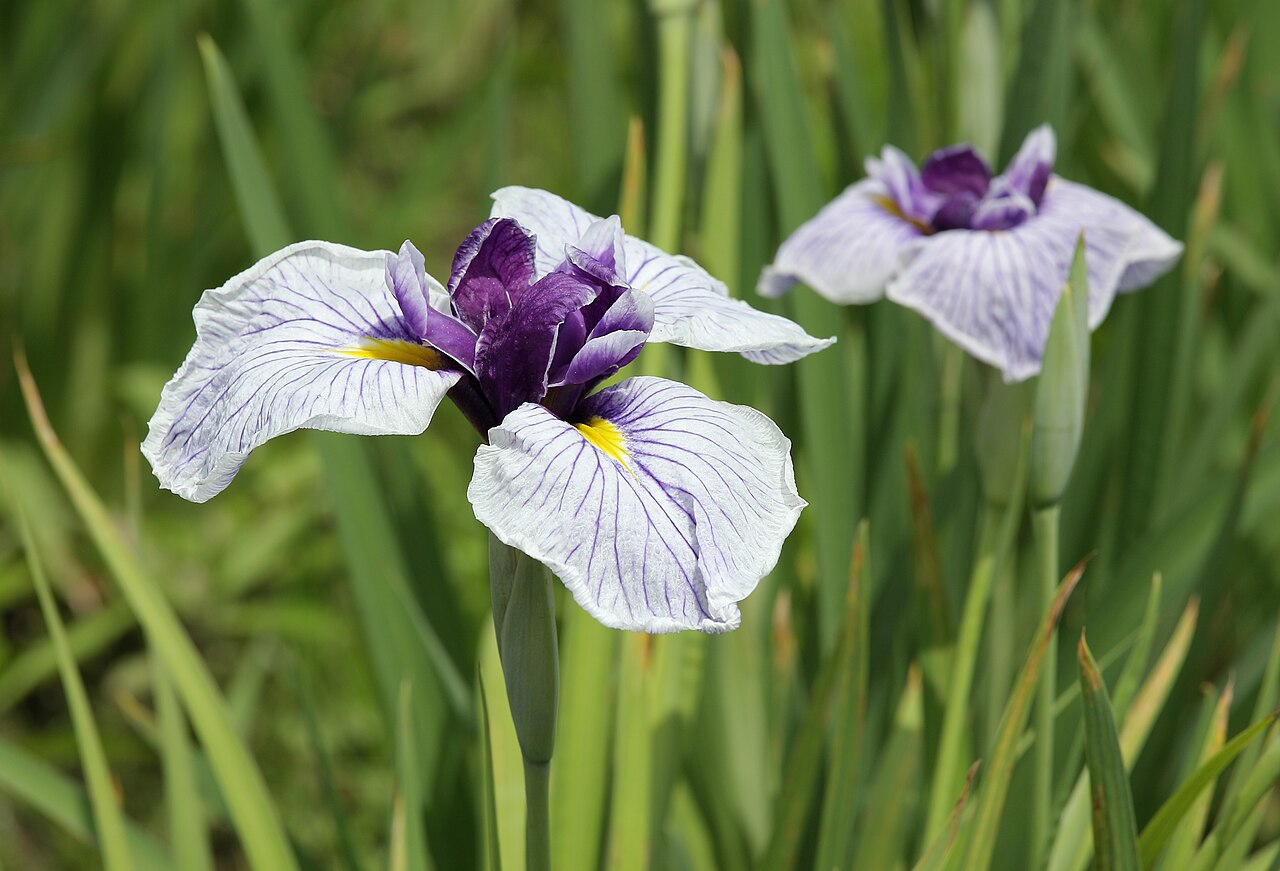
—observations
—countries
—peak records
Not EvaluatedConservation statusIUCN Red List categoriesLCNTVUENCREWEXNot Evaluated — not placed on the risk ladderRed List categories, explained →
Diet & prey
- Autotrophic (Photosynthetic)
Predators
- Snails
- Slugs
- Iris borer larvae
ThreatsHabitat destruction in native wild ranges, fungal rot in poor drainage
HabitatsWetlands, marshes, riverbanks, wet meadows
Life spanPerennial (10+ years via rhizome division)
Size / weightNot available
Classification
- FamilyIridaceae
- SpeciesIris ensata
Range data is not available yet.
Interaction riskHigh
- Low
- Moderate
- High
- Very high
- Why interaction risk is high
- Rhizomes and sap contain toxic terpenoids; wear gloves when handling and keep away from pets.
- Why it is dangerous
- Contains irisin and terpenoids in roots and foliage that cause severe gastrointestinal distress and contact dermatitis.
- How to recognize a risky encounter
- Recognized by broad sword-like leaves with a prominent midrib and massive flat violet to white blossoms.
- What to do
- Wear garden gloves when dividing rhizomes or cutting foliage, and wash skin promptly if exposed to plant sap.
Responsible observation
- Submerge during growth: Keep roots submerged or thoroughly soaked during active spring growth.
- Provide acidic soil: Plant in lime-free, organic-rich soil to prevent foliage yellowing.
- Divide routinely: Lift and divide crowded rootstocks every three years after flowering completes.
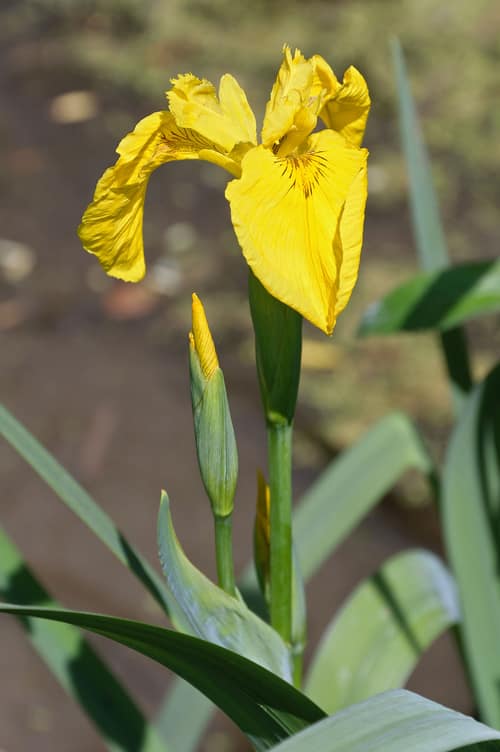
Competitor Myrabella / CC BY-SA 3.0 · cc-by-sa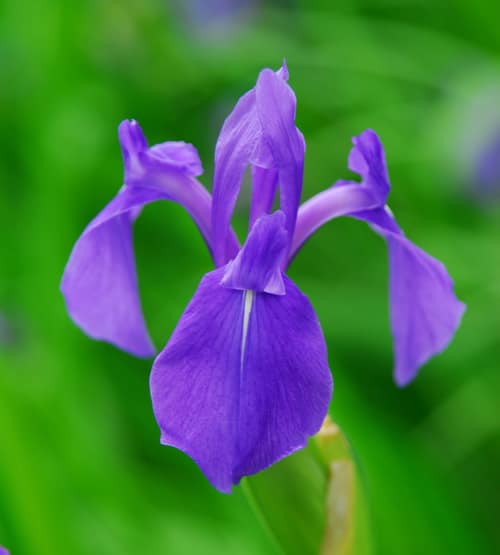
Close Relative Dennis L. Lindwall / CC BY-SA 3.0 · cc-by-sa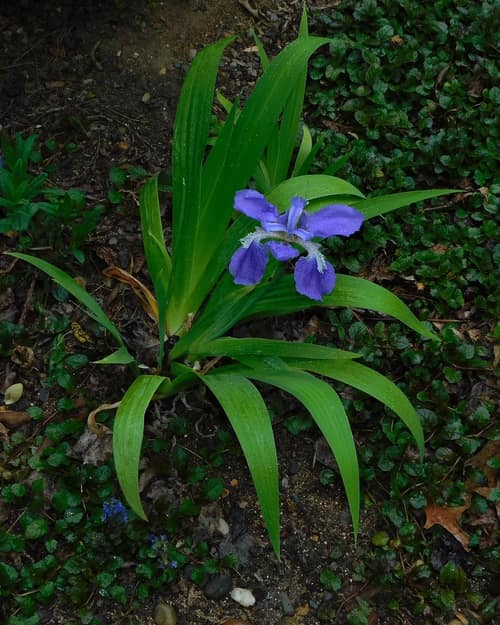
Close Relative (c) Michael J. Papay, some rights reserved (CC BY), uploaded by Michael J. Papay · cc-by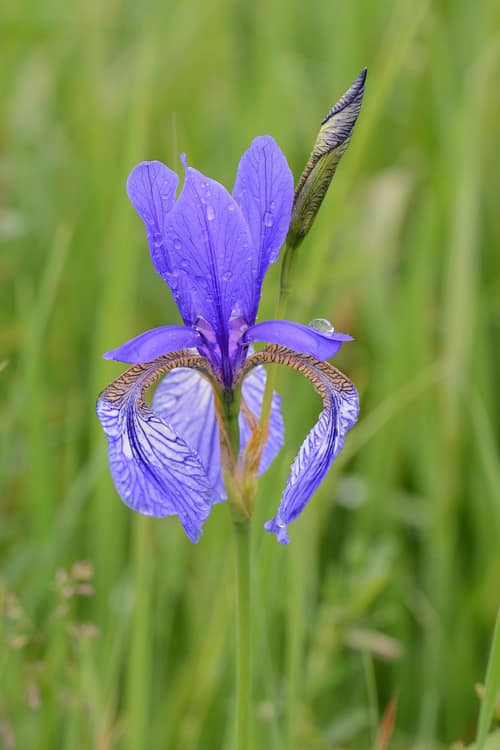
Close Relative Feel free to use my photos, but please mention me as the author and if you want send me a message. or (rufre@lenz-nenning.at) / CC BY-SA 3.0 at · cc-by-sa
Help improve the field guideSomething wrong?
Checking your Fauna account…Report a name, category, or profile issue for review.