
Plant
Wall Iris
Iris tectorumAlso known as Roof Iris
Wall iris is a rhizomatous perennial with fans of broad flattened leaves and crested lavender-blue or white flowers. Colonies spread close to the ground on slopes, banks, and old masonry.
Rhizomatous IrisCrested FlowerPerennial Colony
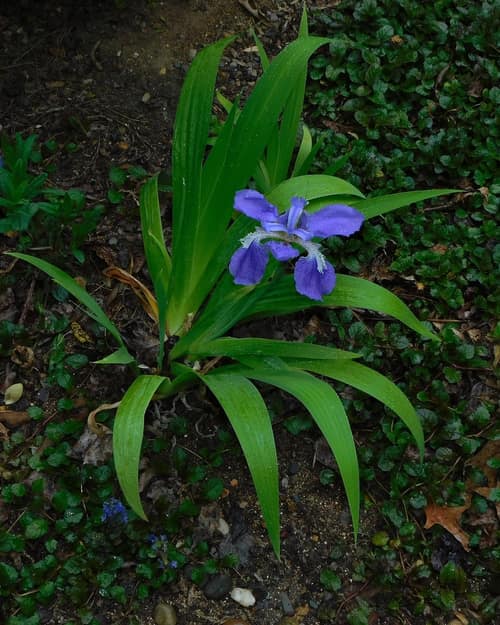
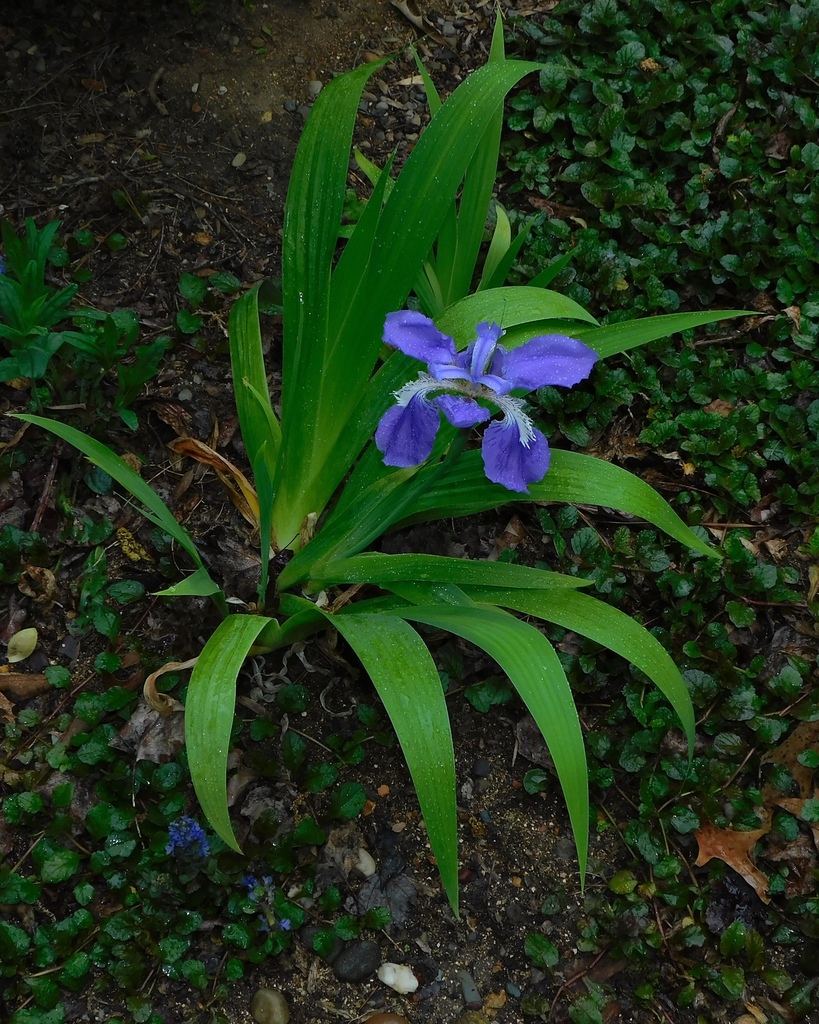
—observations
—countries
—peak records
Not EvaluatedConservation statusIUCN Red List categoriesLCNTVUENCREWEXNot Evaluated — not placed on the risk ladderRed List categories, explained →
Diet & preyPhotosynthesis; rhizomes and roots absorb water and mineral nutrients
Predators
- Slugs
- Snails
- Browsing mammals
ThreatsHabitat clearing, overcollection, trampling, and rhizome disturbance
HabitatsRocky slopes, grassland edges, banks, walls, gardens, and woodland margins
Life spanPerennial colonies can persist for many years
Classification
- FamilyIridaceae
- SpeciesIris tectorum
Range data is not available yet.
Interaction riskHigh
- Low
- Moderate
- High
- Very high
- Why interaction risk is high
- Iris tissues, especially rhizomes, can cause poisoning; do not ingest wild material or let pets chew it.
- Why it is dangerous
- Iris rhizomes and leaves contain irritating compounds that can cause gastrointestinal poisoning when swallowed.
- How to recognize a risky encounter
- Confirm broad fan-shaped leaves and crested flowers while leaving the underground rhizome undisturbed.
- What to do
- Do not taste or dig the plant; keep pets away and seek poison guidance after ingestion.
Responsible observation
- Flowers: Look for a raised crest along each spreading petal.
- Colony: Avoid stepping on shallow rhizomes and leaf fans.
Help improve the field guideSomething wrong?
Checking your Fauna account…Report a name, category, or profile issue for review.