
Flower
Blackberry Lily
Iris domesticaAlso known as Leopard Lily, Leopard Flower, Chinese Leopard Flower
Blackberry lilies produce distinctive starry, freckled orange flowers that bloom for just a single day during midsummer. As autumn approaches, green seed pods split open to reveal dense clusters of shiny black seeds that bear an uncanny resemblance to ripe blackberries. Native to eastern Asia, these resilient perennials spread readily via short rhizomes and self-seeding, often naturalizing along sunny roadsides, meadows, and forest edges.
PerennialFloweringOrnamental


—observations
—countries
—peak records
Not EvaluatedConservation statusIUCN Red List categoriesLCNTVUENCREWEXNot Evaluated — not placed on the risk ladderRed List categories, explained →
Diet & preyAutotrophic (photosynthesis)
Predators
- Iris Borer
- Slugs
- Snails
ThreatsHabitat conversion and competition from aggressive invasive weeds
HabitatsMeadows, grasslands, open hillsides, roadsides, and garden borders
Life span5–10 years
Classification
- OrderAsparagales
- FamilyIridaceae
- GenusIris
- SpeciesIris domestica
Range data is not available yet.
Interaction riskHigh
- Low
- Moderate
- High
- Very high
- Why interaction risk is high
- Toxic if ingested and seeds resemble blackberries; avoid ingestion and wash skin after handling.
- Why it is dangerous
- Contains toxic glycosides and irritant resins that cause gastrointestinal distress, vomiting, and skin blistering.
- How to recognize a risky encounter
- Look for fan-shaped iris leaves, spotted orange blooms, and autumn clusters of shiny, black, berry-like seeds.
- What to do
- Wear protective gloves when trimming or dividing plants, and keep seed clusters away from children and pets.
Responsible observation
- Garden Placement: Plant in full sun and well-drained soil to prevent root rot and encourage prolific summer flowering.
- Seed Collecting: Harvest dry stalks in late autumn for floral arrangements before winds scatter the seeds.
- Handling Precaution: Wear gardening gloves when dividing rhizomes to avoid skin irritation from sap.
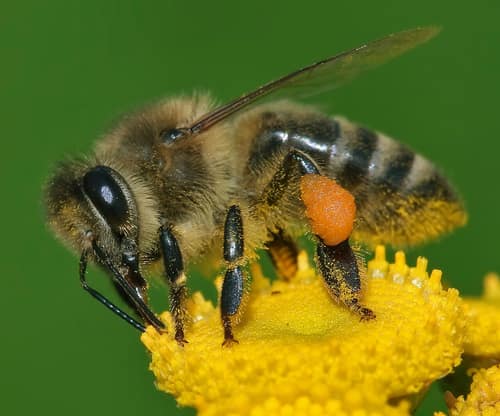
Pollinator Andreas Trepte / CC BY-SA 2.5 · cc-by-sa Image unavailable
Parasite Hybrid Relative 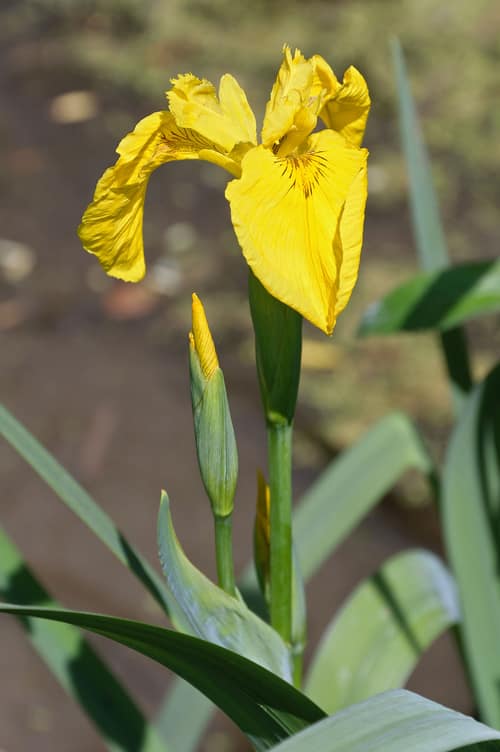
Close Relative Myrabella / CC BY-SA 3.0 · cc-by-sa
Help improve the field guideSomething wrong?
Checking your Fauna account…Report a name, category, or profile issue for review.