
Plant
Douglas Iris
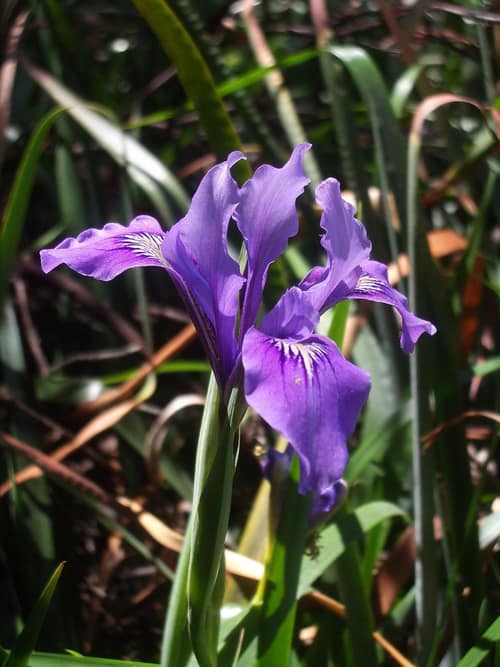
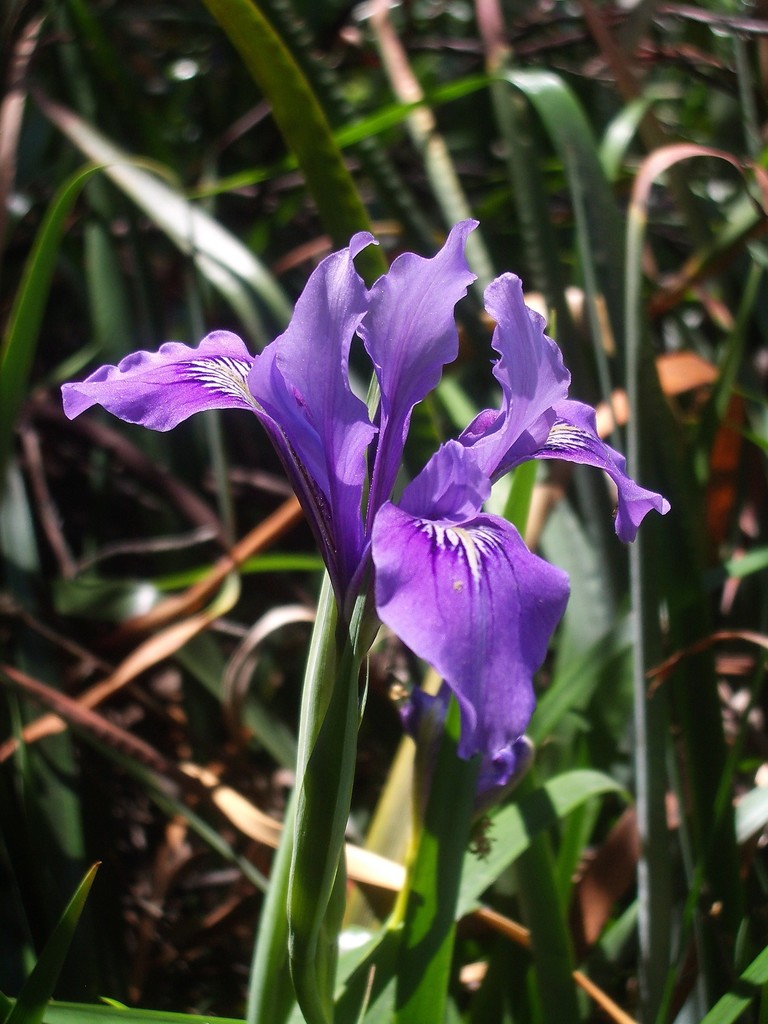
Iris douglasianaDouglas iris is a clumping evergreen perennial with broad sword-shaped leaves and flowers ranging from cream to deep violet. Three arching falls carry contrasting veins or signals that guide visiting insects toward the flower center.
Coastal IrisSword-shaped LeavesVariable Flower
—observations
—countries
—peak records
Not EvaluatedConservation statusIUCN Red List categoriesLCNTVUENCREWEXNot Evaluated — not placed on the risk ladderRed List categories, explained →
Diet & preyPhotosynthetic; rhizomes store resources and roots absorb soil moisture and minerals
Predators
- Slugs
- Thrips
- Browsing mammals
ThreatsDevelopment, invasive plants, trampling, inappropriate mowing, and dense woody encroachment
HabitatsCoastal prairie, open forest, scrub, bluffs, woodland margins, and partly shaded slopes
Life spanLong-lived perennial that expands gradually through rhizomes
Classification
- OrderAsparagales
- FamilyIridaceae
- GenusIris
- SpeciesIris douglasiana
Range data is not available yet.
Interaction riskHigh
- Low
- Moderate
- High
- Very high
- Why interaction risk is high
- Iris tissues, especially rhizomes, can cause gastrointestinal poisoning and should not be ingested.
- Why it is dangerous
- Rhizomes and other iris tissues contain irritating compounds that can cause severe digestive upset when swallowed.
- How to recognize a risky encounter
- Confirm broad swordlike leaves and a three-part iris flower, but do not rely on color alone.
- What to do
- Do not taste or prepare wild iris material; wash hands after contact with cut rhizomes or sap.
Responsible observation
- Identify: Look for three broad falls with contrasting lines beneath upright petals.
- Observe: Appreciate color variation without picking blooms or dividing clumps.
- Protect: Stay off dense leaf fans and surrounding coastal vegetation.
Help improve the field guideSomething wrong?
Checking your Fauna account…Report a name, category, or profile issue for review.