
Plant · GBIF taxon 5298019
Northern Blue Flag
Iris versicolorAlso known as Blue Flag, Harlequin Blueflag, Larger Blue Flag
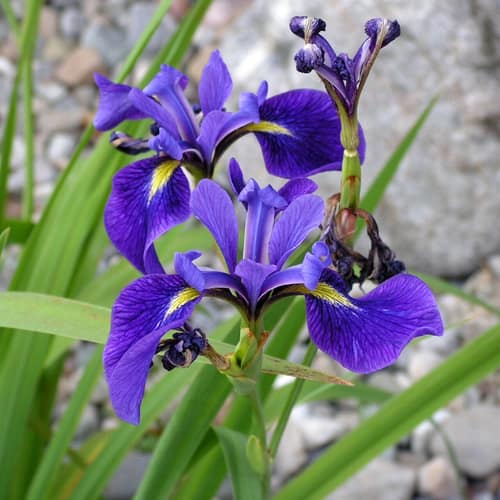
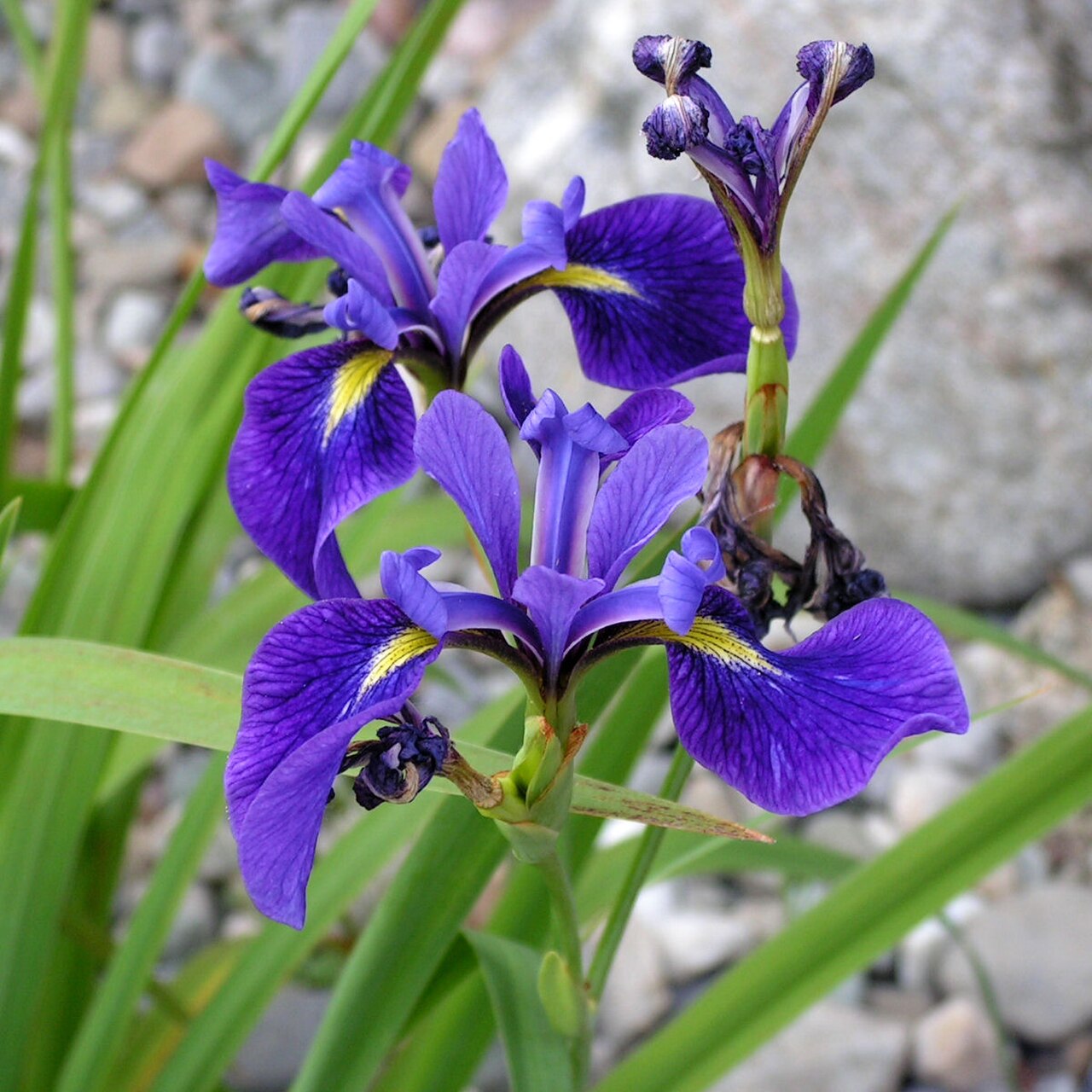
Northern blue flag is a wetland iris with sword-shaped leaves and blue-violet flowers marked with yellow and white. Flowering stalks rise from spreading rhizomes in shallow water or saturated soil.
wetland wildflowerrhizomatousblue-violet bloom
—observations
—countries
—peak records
Least ConcernConservation statusIUCN Red List categoriesLCNTVUENCREWEXLeast ConcernRed List categories, explained →
Diet & prey
- Produces energy through photosynthesis and stores reserves in thick spreading rhizomes
Predators
- iris borers
- slugs
- grazing mammals
ThreatsWetland drainage, shoreline alteration, invasive plants, pollution, and wild collection
HabitatsMarshes, wet meadows, sedge shores, swamps, and shallow water margins
Life spanA perennial herb whose rhizomes can persist for many years
Size / weightNot available
Classification
- FamilyIridaceae
- SpeciesIris versicolor
Range data is not available yet.
Interaction riskHigh
- Low
- Moderate
- High
- Very high
- Why interaction risk is high
- Rhizomes and other tissues can cause poisoning or skin irritation.
- Why it is dangerous
- Iris tissues contain irritating compounds that can cause digestive illness and contact dermatitis.
- How to recognize a risky encounter
- Confirm sword-like leaves, wetland growth, and blue-violet flowers with yellow-white markings.
- What to do
- Do not ingest any part; wear gloves for necessary rhizome handling and wash exposed skin.
Responsible observation
- Identify: Look for arching blue-violet sepals with yellow-white signal patches.
- Observe: Remain on firm ground and avoid pulling plants from wet soils.
Help improve the field guideSomething wrong?
Checking your Fauna account…Report a name, category, or profile issue for review.