
Plant · GBIF taxon 5295574
Saw Greenbrier
Smilax bona-noxAlso known as Catbrier, Fringed Greenbrier, Bullbrier, Stretchberry
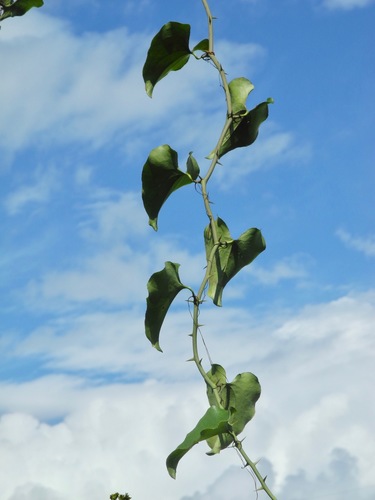
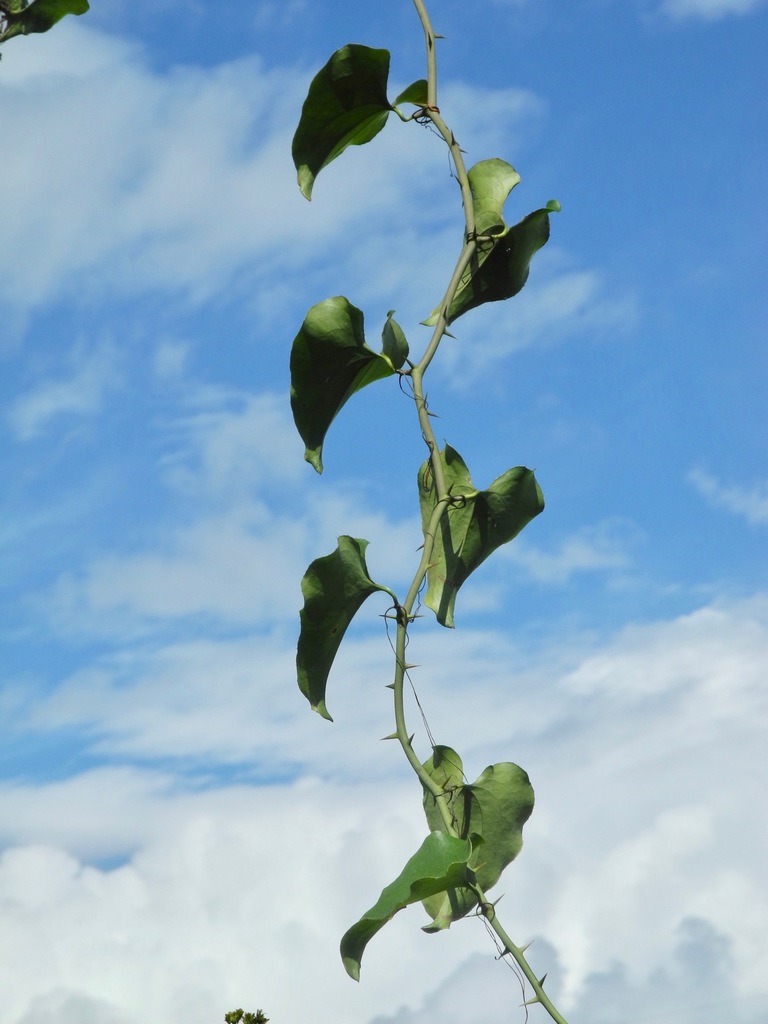
Saw greenbrier forms dense, impenetrable thickets across southeastern pine woods, abandoned fields, and forest edges. Its tough, woody stems feature sharp prickles and coiling tendrils that allow the vine to scramble high into the tree canopy. Underground, massive tuberous roots store nutrients, allowing the plant to quickly resprout after fire, drought, or cutting.
ClimbingPricklyNative
 1 / 7
1 / 7—observations
—countries
—peak records
Least ConcernConservation statusIUCN Red List categoriesLCNTVUENCREWEXLeast ConcernRed List categories, explained →
Diet & prey
- Autotrophic
Predators
- White-tailed Deer
- Wild Turkey
- Northern Bobwhite
ThreatsHabitat clearing and intensive herbicide application
HabitatsWoodlands, thickets, forest edges, and disturbed ground
Life spanPerennial
Size / weightNot available
Classification
- OrderLiliales
- FamilySmilacaceae
- GenusSmilax
- SpeciesSmilax bona-nox
Range data is not available yet.
Interaction riskLow
- Low
- Moderate
- High
- Very high
- Why interaction risk is low
- Wild berries have toxic look-alikes; never eat based on app identification alone.
Responsible observation
- Identification: Look for prominent prickles on stems and variable leaves with thick, prickly margins.
- Wildlife Value: Observe songbirds feeding on the dark berries and using dense tangles for nesting shelter.
- Climbing Mechanism: Examine how springlike tendrils wrap around branches to haul vines toward sunlight.
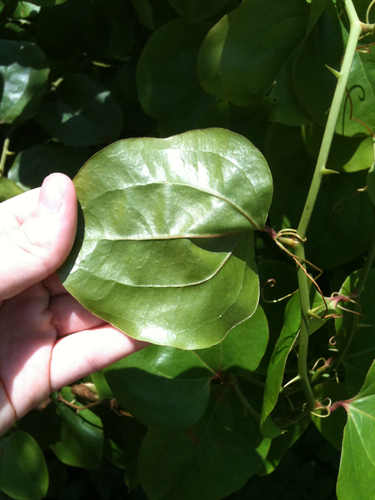
Close Relative (c) botanygirl, some rights reserved (CC BY), uploaded by botanygirl · cc-by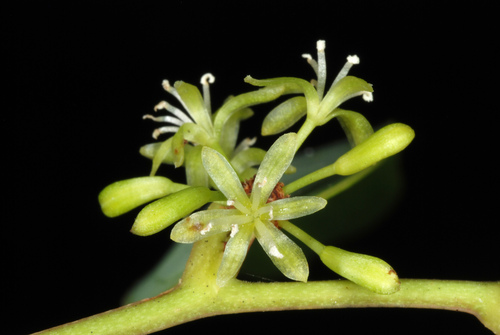
Close Relative (c) Douglas Goldman, some rights reserved (CC BY-SA), uploaded by Douglas Goldman · cc-by-sa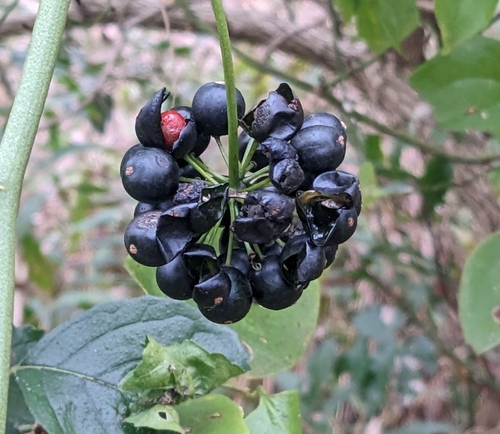
Close Relative (c) Ainsley, some rights reserved (CC BY), uploaded by Ainsley · cc-by
Help improve the field guideSomething wrong?
Checking your Fauna account…Report a name, category, or profile issue for review.