
Plant · GBIF taxon 5295452
Smilax lasioneura
Smilax lasioneuraAlso known as Blue Ridge Carrion Flower, Herbaceous Greenbrier, Carrion Flower
Blue Ridge carrionflower is a thornless herbaceous vine that climbs forest understories and thickets using paired tendrils. In late spring, spherical clusters of greenish flowers open, producing a foul aroma resembling decaying meat that attracts flies and beetles for pollination. By late summer, these globes transform into tight clusters of dark blue, glaucous berries that feed migrating songbirds and small mammals.
VineWildflowerNative
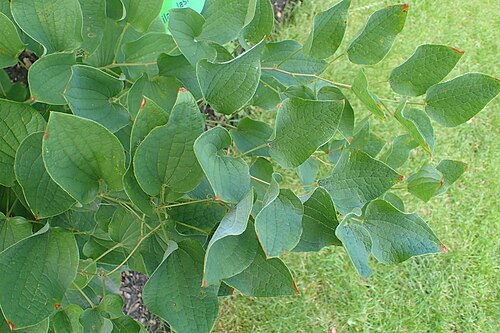
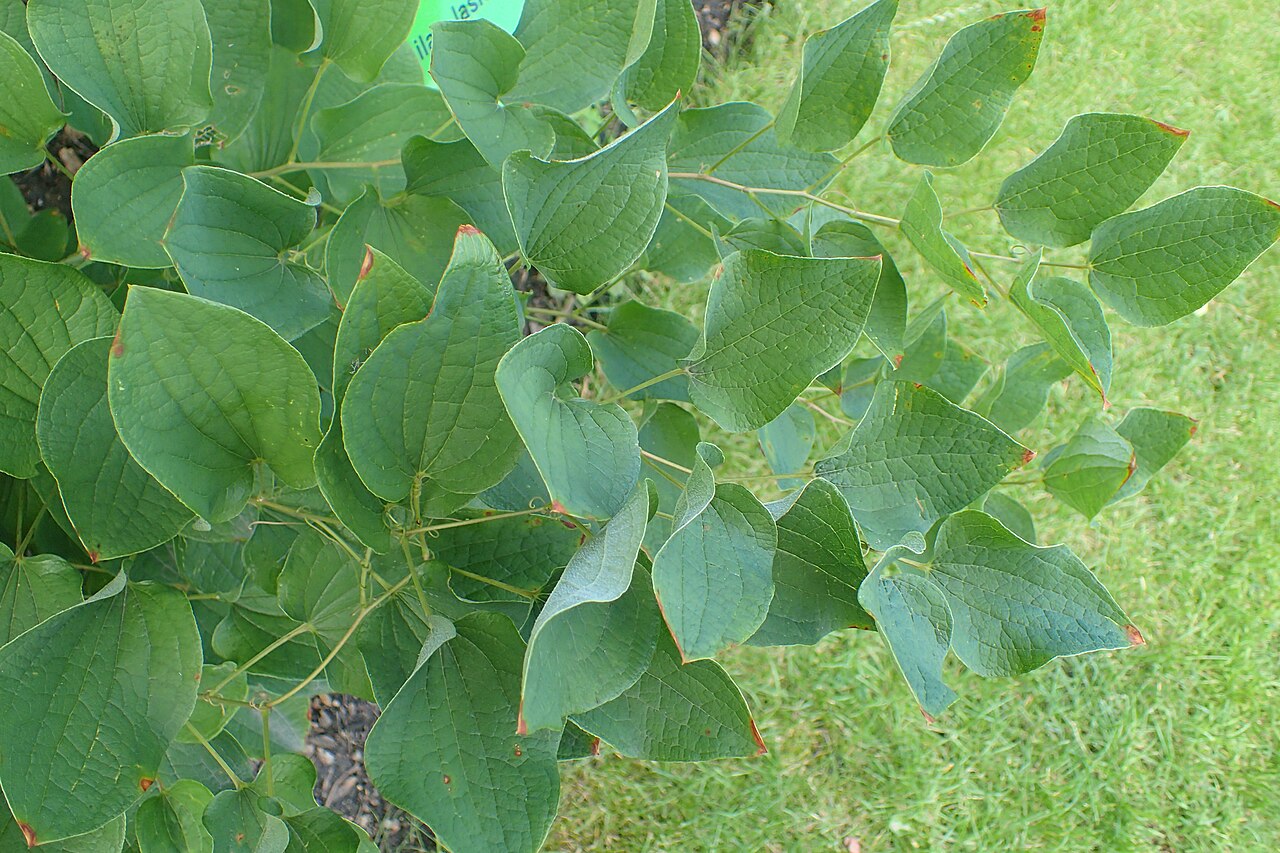
Licensed referenceKrzysztof Ziarnek, Kenraiz / CC BY-SA 4.0 · cc-by-sa
—observations
—countries
—peak records
Least ConcernConservation statusIUCN Red List categoriesLCNTVUENCREWEXLeast ConcernRed List categories, explained →
Diet & prey
- Autotrophic
Predators
- White-tailed Deer
- Wild Turkey
- Songbirds
ThreatsHabitat fragmentation and invasive plant competition
HabitatsRich deciduous forests, thickets, and riverbanks
Life spanPerennial
Size / weightNot available
Classification
- OrderLiliales
- FamilySmilacaceae
- GenusSmilax
- SpeciesSmilax lasioneura
Range data is not available yet.
Interaction riskLow
- Low
- Moderate
- High
- Very high
- Why interaction risk is low
- Wild berries have toxic look-alikes; never eat based on app identification alone.
Responsible observation
- Spring bloom: Look for dense, globe-like flower clusters emitting a distinct foul odor.
- Fruit watching: Search for dark blue berries hanging in round clumps during late summer and autumn.
- Distinguishing feature: Notice the complete lack of prickles, unlike woodier greenbrier species.
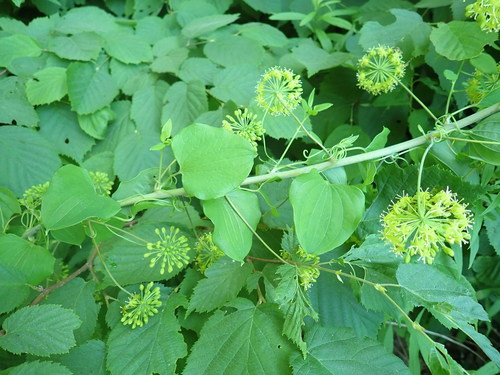
Close Relative no rights reserved, uploaded by Lynn Harper · cc0 Image unavailable
Close Relative 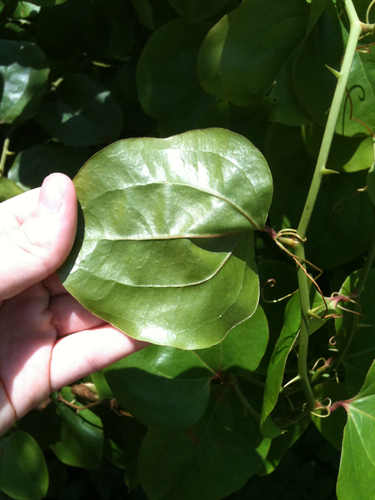
Close Relative (c) botanygirl, some rights reserved (CC BY), uploaded by botanygirl · cc-by
Help improve the field guideSomething wrong?
Checking your Fauna account…Report a name, category, or profile issue for review.