
Plant · GBIF taxon 5294508
Western Ghats Rattan Palm
Calamus brandisiiAlso known as Brandis' Rattan Palm, Brandis' Cane
Western Ghats rattan palm climbs through tropical evergreen canopies using specialized spiny tendrils to anchor onto host trees. Endemic to the moist forest understories of southern India, this slender palm forms dense clusters along shaded stream banks and ridge slopes. Loss of intact forest habitat and unsustainable cane extraction pose ongoing challenges to wild populations.
Climbing PalmEndemicTropical
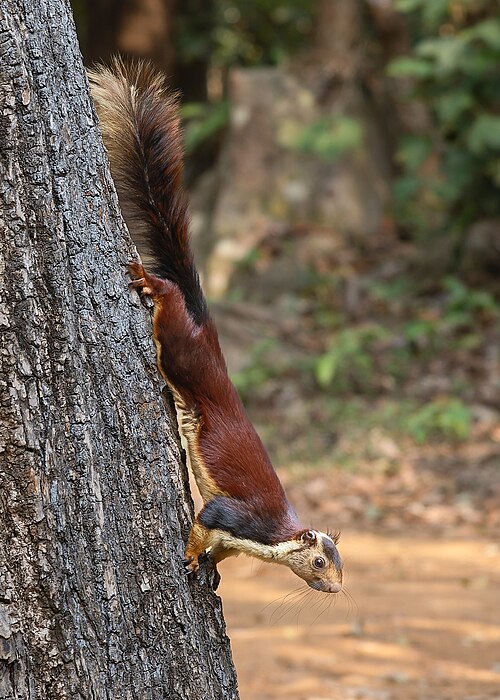
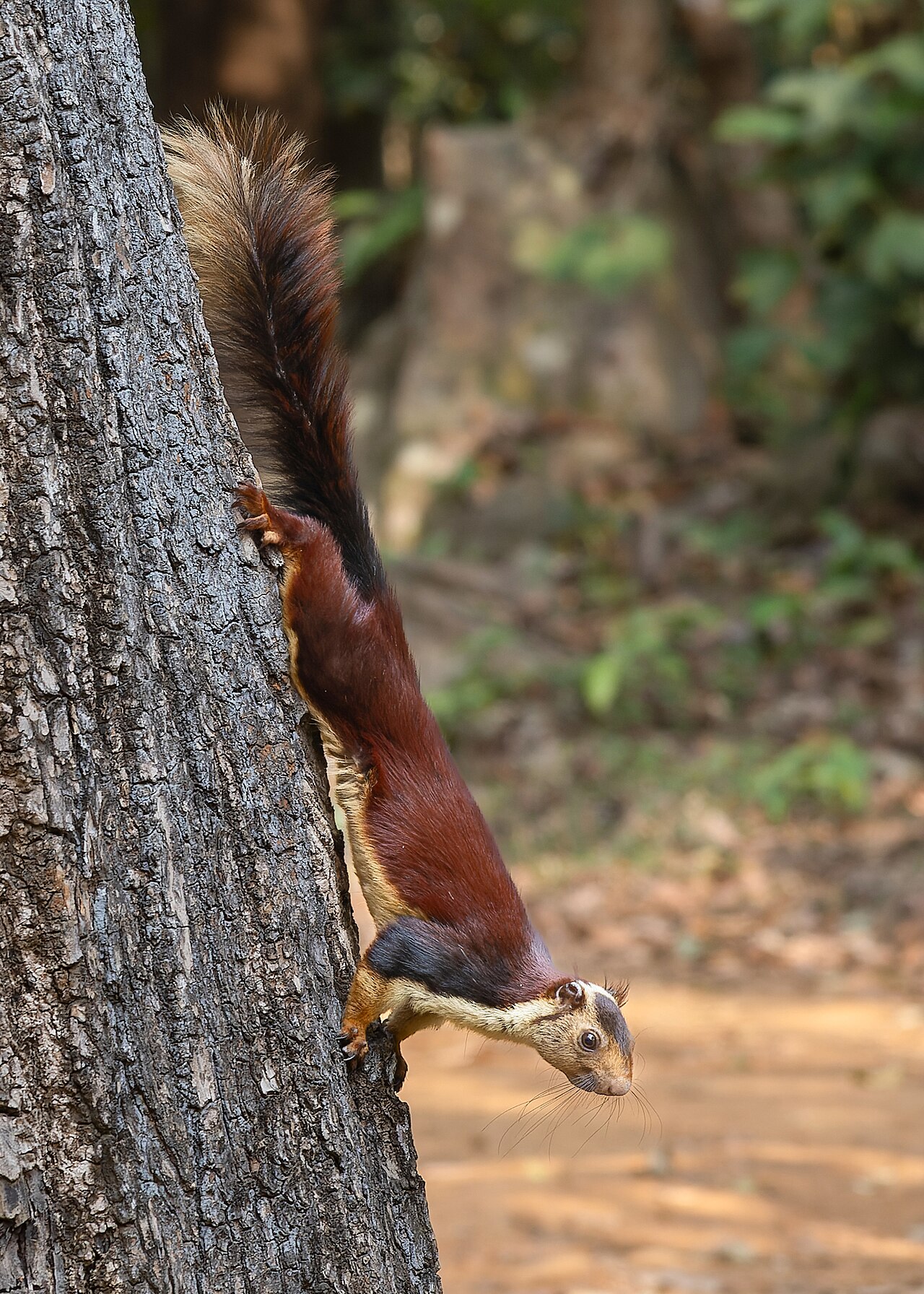
Licensed referenceTisha Mukherjee / CC BY-SA 4.0 · cc-by-sa
—observations
—countries
—peak records
EndangeredConservation statusIUCN Red List categoriesLCNTVUENCREWEXEndangeredRed List categories, explained →
Diet & prey
- Autotrophic
Predators
- Asian Elephants
- Sambar Deer
- Insects
ThreatsHabitat fragmentation, over-harvesting for wild cane
HabitatsTropical moist evergreen forests, streamsides
Life span20–40 years
Size / weightNot available
Classification
- FamilyArecaceae
- SpeciesCalamus brandisii
Range data is not available yet.
Interaction riskLow
- Low
- Moderate
- High
- Very high
- Why interaction risk is low
- Safe to observe at a normal distance; take care near spiny stems.
- What to notice
- Look for ultra-slender, clump-forming spiny cane stems under one centimeter thick.
- Support conservation
- Observe without harvesting canes or trampling delicate understory seedlings.
Responsible observation
- Observation: Look for slender stems climbing forest trees near rainforest streams.
- Habitat Care: Avoid pulling on wild vines or disturbing understory growth.
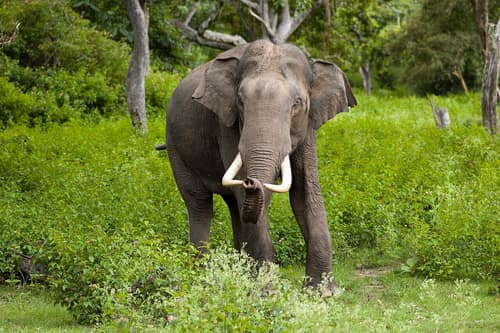
Herbivore Yathin S Krishnappa / CC BY-SA 3.0 · cc-by-sa Image unavailable
Close Relative Close Relative Close Relative
Help improve the field guideSomething wrong?
Checking your Fauna account…Report a name, category, or profile issue for review.