
Plant
Queen Palm
Syagrus romanzoffianaAlso known as Cocos Palm, Jerivá, Giriba Palm
Queen palms grace coastal avenues and subtropical woodlands with arching, plumose fronds that flutter gracefully in the breeze. In native South American habitats, dense hanging clusters of bright orange drupes provide a vital year-round sustenance source for bats, toucans, and monkeys. Escaped ornamental plantings have successfully naturalized across warmer regions worldwide, occasionally forming dense thickets along disturbed watercourses.
Feathery FrondsSubtropicalFruit-Bearing
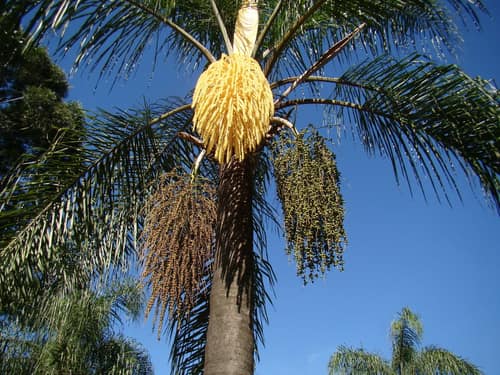
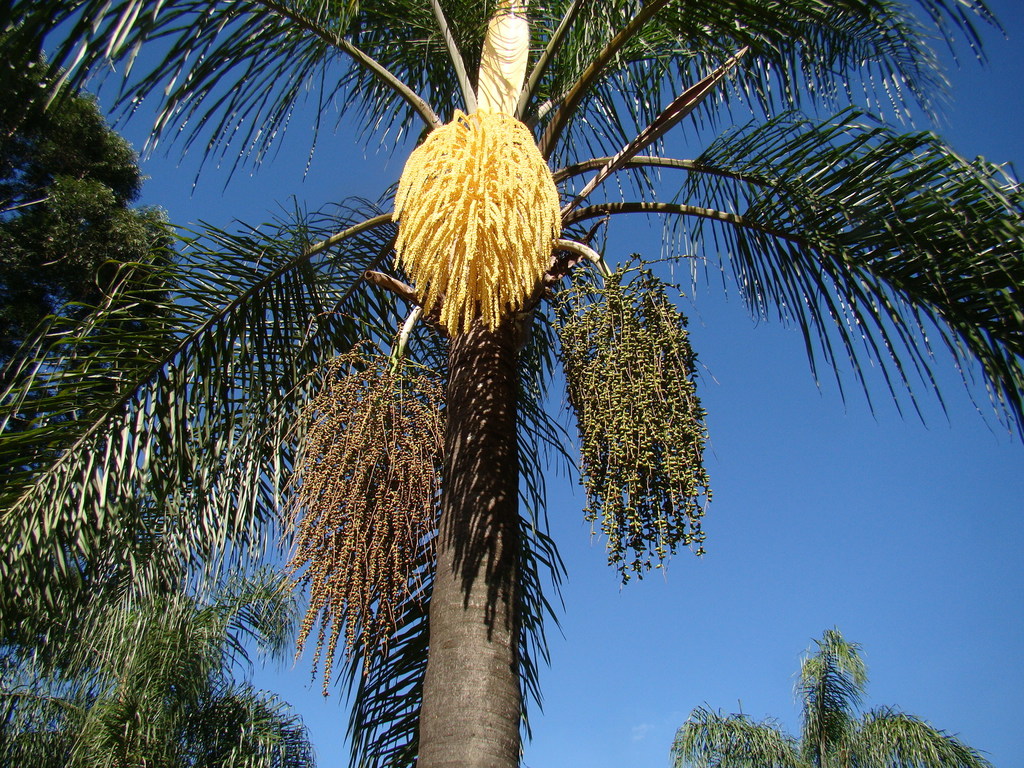
—observations
—countries
—peak records
Least ConcernConservation statusIUCN Red List categoriesLCNTVUENCREWEXLeast ConcernRed List categories, explained →
Diet & preySunlight, Water, Soil Nutrients
Predators
- South American Palm Weevil
- Fungal Pathogens
ThreatsLethal bronzing disease, Ganoderma butt rot, and severe frosts
HabitatsSubtropical forests, riparian woodlands, urban landscapes, and coastal scrub
Life span50–150 years
Classification
- OrderArecales
- FamilyArecaceae
- GenusSyagrus
- SpeciesSyagrus romanzoffiana
Range data is not available yet.
Interaction riskLow
- Low
- Moderate
- High
- Very high
- Why interaction risk is low
- Wild fruits have toxic look-alikes; never eat based on app identification alone.
Responsible observation
- Fruit Litter: Heavy clusters of fallen orange fruits can create slick footing on paved walkways.
- Pruning Care: Avoid removing green fronds, as premature trimming deprives the trunk of stored nutrients.
- Frost Protection: Protect young specimens when temperatures are forecast to drop below freezing.
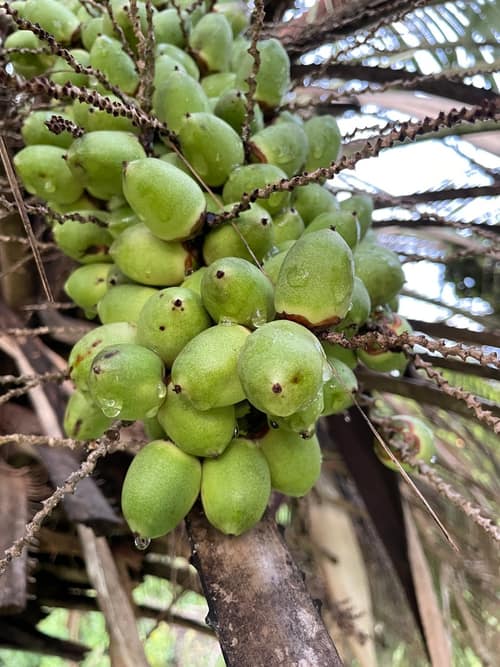
Hybrid Partner (c) B. Phalan, some rights reserved (CC BY) · cc-by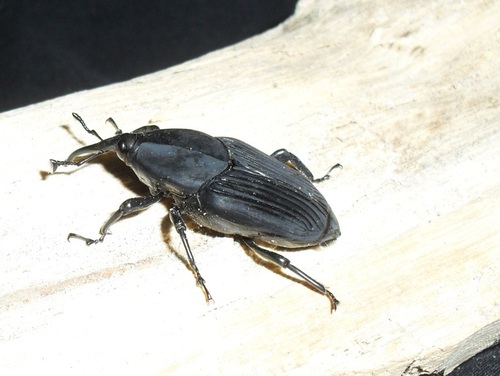
Pest (c) F.J. RODRIGUEZ, some rights reserved (CC BY-SA) · cc-by-sa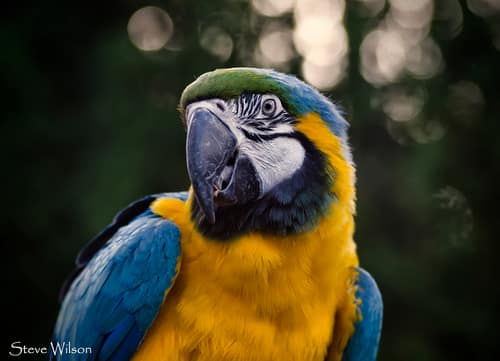
Seed Disperser "Blue and Yellow Macaw" by Steve Wilson - over 10 million views Thanks !! is licensed under CC BY 2.0. To view a copy of this license, visit https://creativecommons.org/licenses/by/2.0/. · cc-by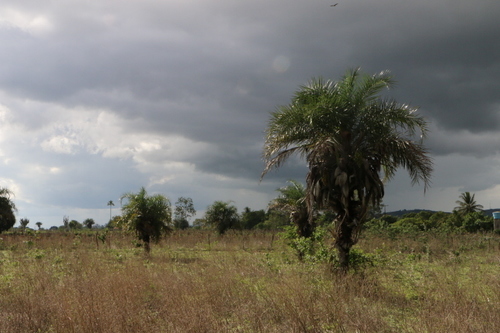
Close Relative (c) Bruno de Medeiros, some rights reserved (CC BY) · cc-by
Help improve the field guideSomething wrong?
Checking your Fauna account…Report a name, category, or profile issue for review.