
Plant
Common Reed
Phragmites australisAlso known as Common Reedgrass
Common reed is a towering perennial grass that forms dense stands from spreading underground rhizomes. Broad leaves line rigid stems topped by large feathery flower clusters that turn tan with age.
wetland grassrhizomatousdense stand
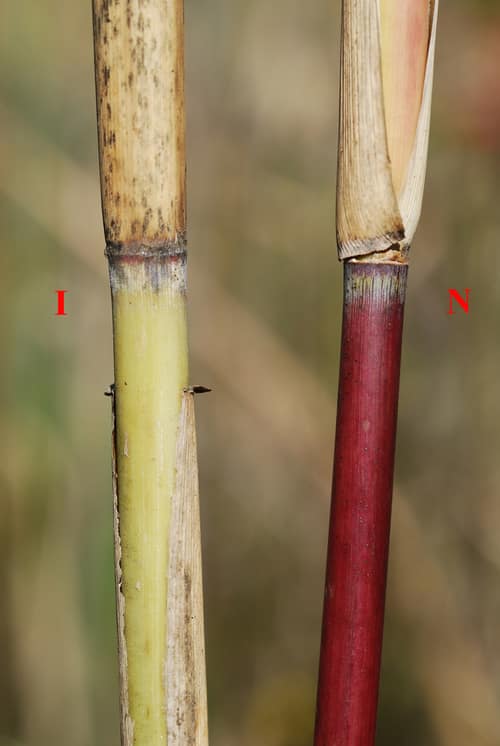
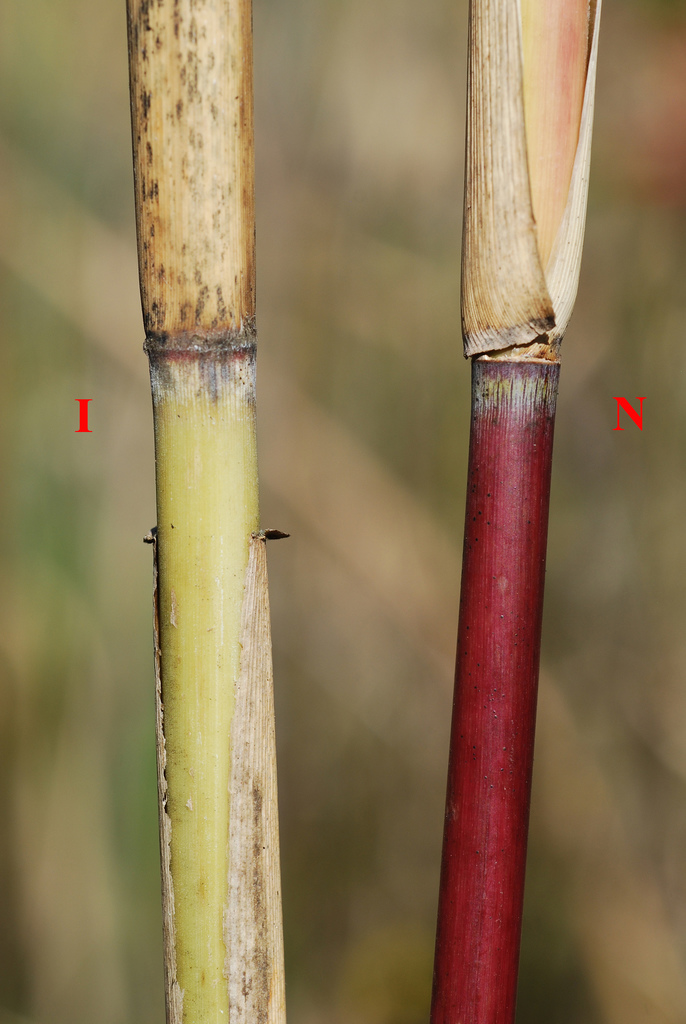
—observations
—countries
—peak records
Least ConcernConservation statusIUCN Red List categoriesLCNTVUENCREWEXLeast ConcernRed List categories, explained →
Diet & preyProduces energy through photosynthesis and obtains water and nutrients through extensive rhizomes
Predators
- reed aphids
- moth larvae
- grazing mammals
ThreatsDrainage, pollution, altered salinity, burning, and control programs where aggressive lineages dominate
HabitatsMarshes, shorelines, ditches, estuaries, and other wet or seasonally flooded ground
Life spanLong-lived perennial clones can persist and expand for many decades
Classification
- OrderPoales
- FamilyPoaceae
- GenusPhragmites
- SpeciesPhragmites australis
Range data is not available yet.
Interaction riskLow
- Low
- Moderate
- High
- Very high
- Why interaction risk is low
- Dense stems can conceal deep mud and water; observe from stable ground.
Responsible observation
- Identify: Check for broad blades, tall jointed stems, and a large feathery panicle.
- Respect: Do not cut or transport stems because some populations spread aggressively.
Help improve the field guideSomething wrong?
Checking your Fauna account…Report a name, category, or profile issue for review.