
Plant
Slender False Brome
Brachypodium sylvaticumAlso known as Wood False Brome, False Brome, Slender False-Brome
Slender false brome forms bright green, arching tufts that thrive under dense forest canopies where few other grasses survive. Its hairy leaves and characteristically drooping, short-stalked spikelets distinguish it in woodland understories. While playing a natural role across its vast Afro-Eurasian home range, it aggressively smothers native herbs where introduced in western North America.
Perennial GrassShade TolerantInvasive Species
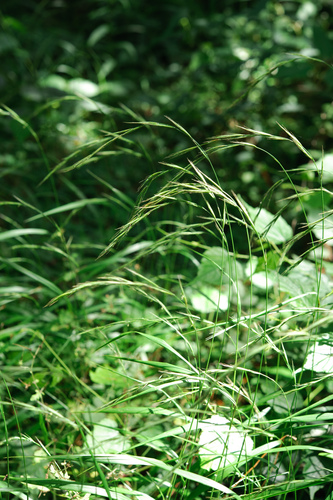
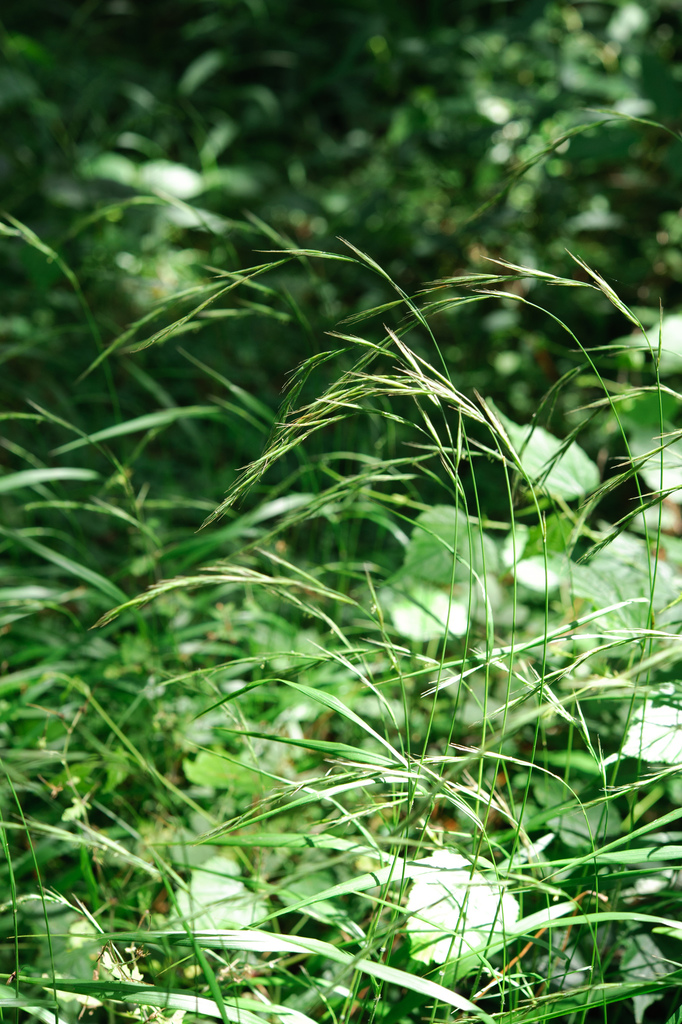
—observations
—countries
—peak records
Least ConcernConservation statusIUCN Red List categoriesLCNTVUENCREWEXLeast ConcernRed List categories, explained →
Diet & preySunlight, Water, Soil Nutrients
Predators
- Grazing Mammals
- Herbivorous Caterpillars
- Fungal Pathogens
ThreatsHabitat alteration in native zones; invasive spread in North America
HabitatsShaded woodlands, forest margins, riparian zones
Life spanPerennial (5–10+ years)
Classification
- FamilyPoaceae
- SpeciesBrachypodium sylvaticum
Range data is not available yet.
Interaction riskLow
- Low
- Moderate
- High
- Very high
- Why interaction risk is low
- Safe to observe at a normal distance.
Responsible observation
- Field ID: Check leaf margins and sheaths for fine hairiness and look for unbranched, nodding spikelets.
- Habitat Spotting: Scan moist, shady forest floors where it forms dense lime-green carpets.
- Prevent Spread: Clean footwear and gear after walking through infested areas to remove hitchhiking seeds.
 Image unavailable
Look-alike Close Relative Close Relative
Help improve the field guideSomething wrong?
Checking your Fauna account…Report a name, category, or profile issue for review.