
Plant
Maize
Zea maysAlso known as Corn, Indian Corn, Sweet Corn, Field Corn
Maize is a powerhouse annual grass whose upright, bamboo-like stalks capture vast amounts of solar energy via efficient C4 photosynthesis. Wind disperses abundant pollen from top tassels onto receptive silks hanging from developing ears, where individual fertilized strands become grain kernels wrapped tightly in protective husks. Completely reliant on humans for propagation, this ancient Mesoamerican staple produces seeds so firmly attached to the cob that it cannot disperse into the wild on its own.
AnnualWind-PollinatedAgricultural
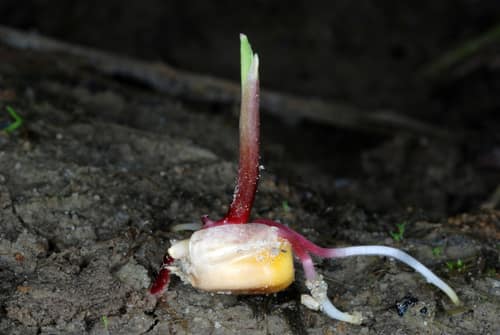
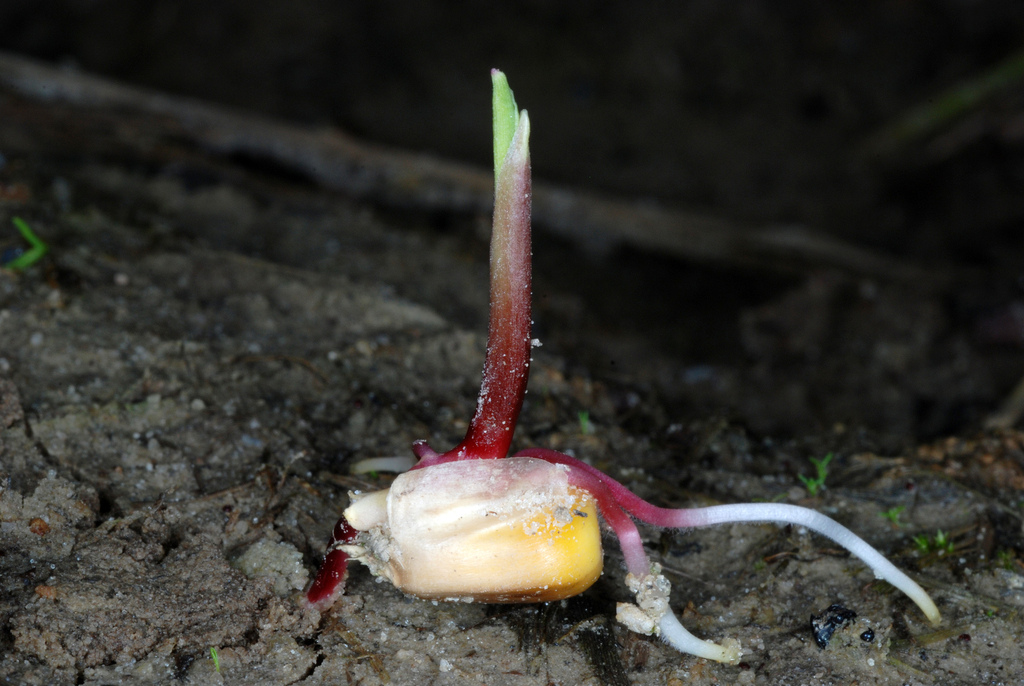
—observations
—countries
—peak records
Least ConcernConservation statusIUCN Red List categoriesLCNTVUENCREWEXLeast ConcernRed List categories, explained →
Diet & preyAutotrophic (Photosynthetic)
Predators
- Corn Earworm
- European Corn Borer
- White-tailed Deer
ThreatsFungal blights, severe drought, insect bores, and extreme heat waves
HabitatsCultivated fields, gardens, and agricultural farmlands
Life spanAnnual (3 to 5 months from germination to harvest)
Classification
- OrderPoales
- FamilyPoaceae
- GenusZea
- SpeciesZea mays
Range data is not available yet.
Interaction riskLow
- Low
- Moderate
- High
- Very high
- Why interaction risk is low
- Safe to observe at a normal distance.
Responsible observation
- Silking Timing: Look for receptive, sticky silks emerging from ear husks during mid-summer pollination.
- Root Observation: Check the lowest stem nodes for stout prop roots anchoring the tall stalk against wind.
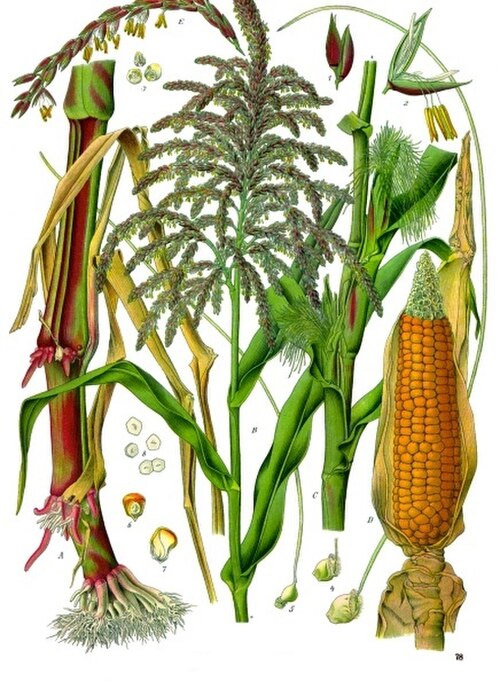
Wild Ancestor Franz Eugen Köhler, Köhler's Medizinal-Pflanzen / Public domain · cc0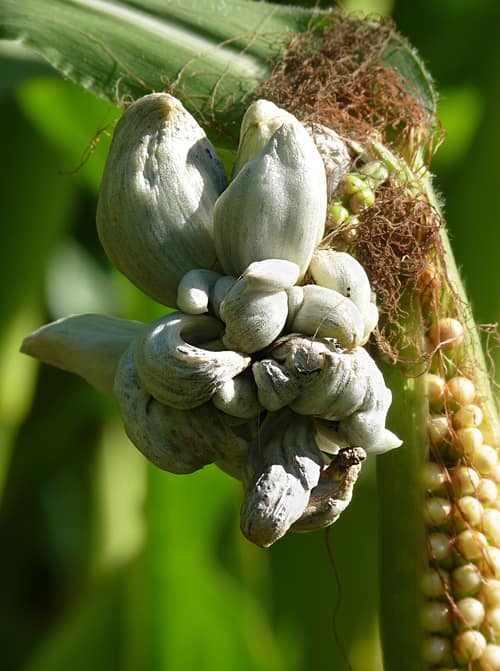
Parasite Jamain / CC BY-SA 3.0 · cc-by-sa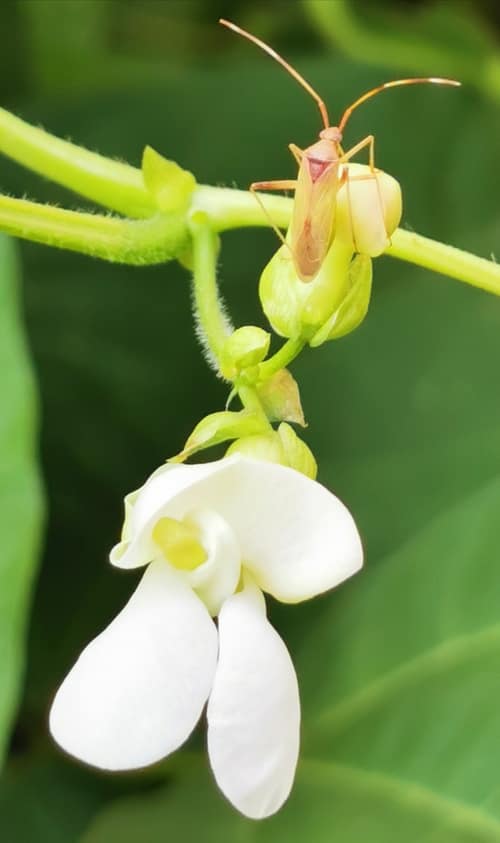
Companion Plant (c) M. Socorro González Elizondo, some rights reserved (CC BY-SA), uploaded by M. Socorro González Elizondo · cc-by-sa
Close Relative (c) L.J. Lamera, some rights reserved (CC BY), uploaded by L.J. Lamera · cc-by
Help improve the field guideSomething wrong?
Checking your Fauna account…Report a name, category, or profile issue for review.