
Plant · GBIF taxon 5290026
Sporobolus Pumilus
Spartina patensAlso known as Salt Hay, Saltmeadow Grass, Marsh Hay, High-water Grass
Saltmeadow cordgrass forms extensive swirling mats across the high marsh, often flattening into distinctive cowlicks shaped by wind and high spring tides. Dense networks of slender rhizomes bind loose coastal sediments, buffering estuaries from storm erosion and building organic peat over decades. Historically harvested by coastal farmers as rot-resistant livestock fodder, these dense grasslands provide vital high-tide refuge for marsh-dwelling wildlife.
CoastalSalt-tolerantPerennial
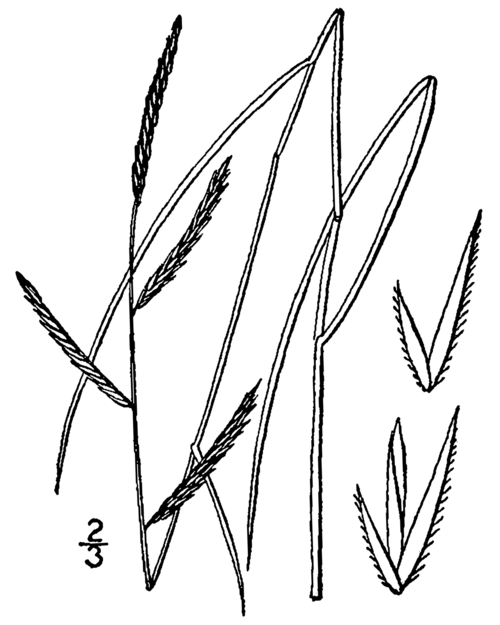
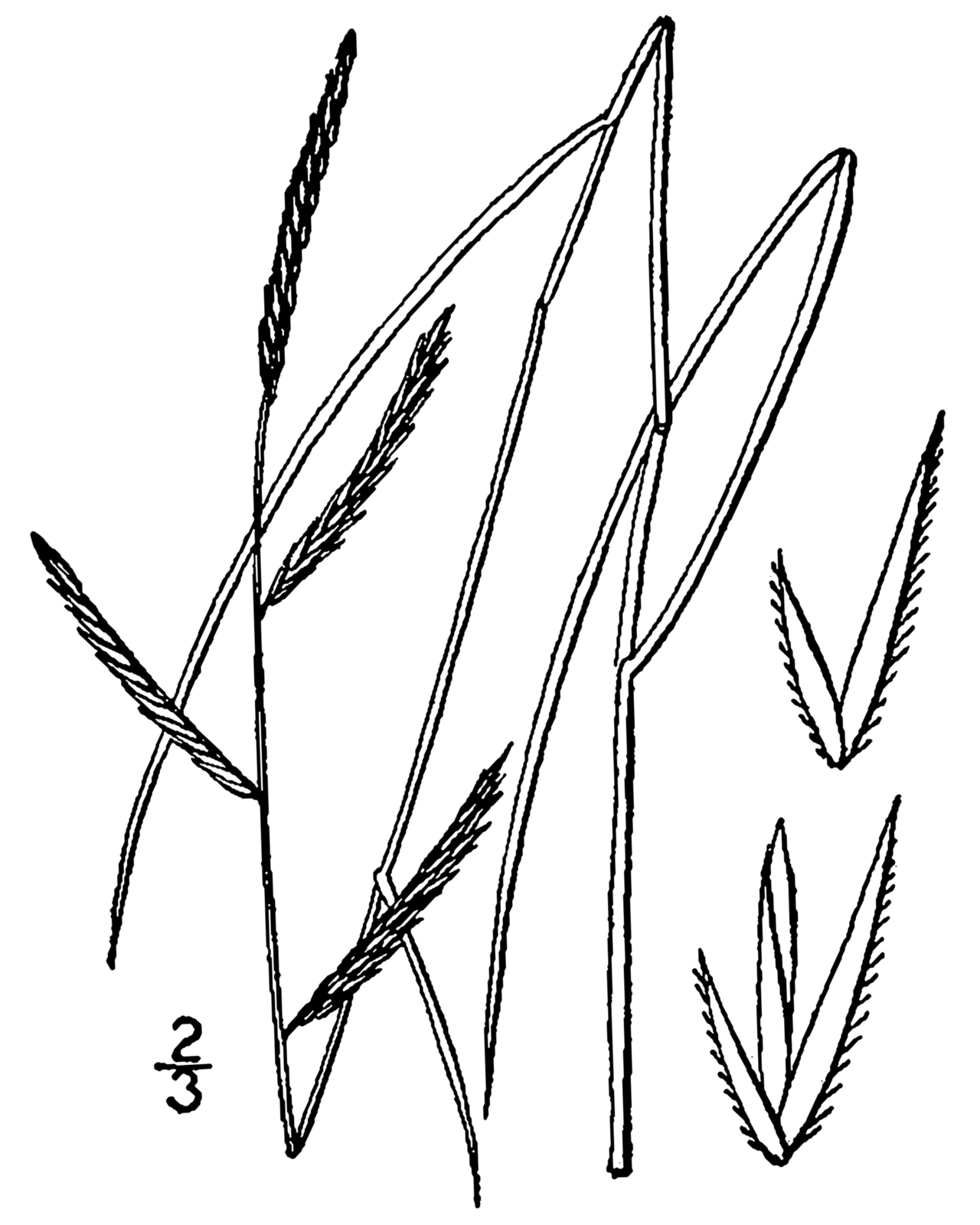
—observations
—countries
—peak records
Least ConcernConservation statusIUCN Red List categoriesLCNTVUENCREWEXLeast ConcernRed List categories, explained →
Diet & prey
- Photosynthetic
Predators
- Snow Goose
- Muskrat
- White-tailed Deer
ThreatsSea level rise, coastal development, and competition from invasive common reed
HabitatsHigh salt marshes, brackish coastal meadows, dune swales, and tidal flats
Life spanPerennial (rhizome networks persist indefinitely)
Classification
- FamilyPoaceae
- SpeciesSpartina patens
Range data is not available yet.
Interaction riskLow
- Low
- Moderate
- High
- Very high
- Why interaction risk is low
- Safe to observe at a normal distance.
Responsible observation
- Marsh Etiquette: Stay on designated boardwalks or trails to avoid trampling sensitive peat and nesting birds.
- Identification: Look for inrolled, needle-like leaf tips and stems that bend flat into swirling cowlick patterns.

Nesting Associate (c) Zac Peterson, some rights reserved (CC BY), uploaded by Zac Peterson · cc-by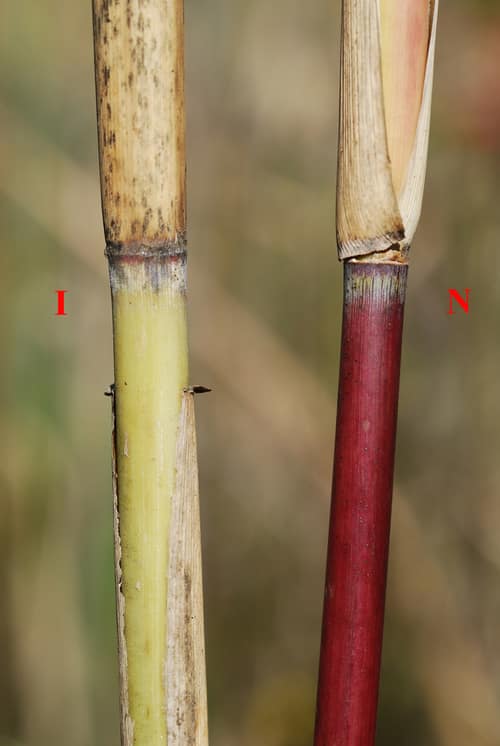
Competitor (c) Douglas Goldman, some rights reserved (CC BY-SA), uploaded by Douglas Goldman · cc-by-sa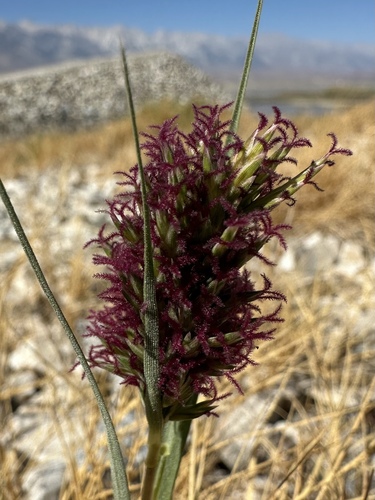
Frequent Companion (c) Roberto Daniel Avila, some rights reserved (CC BY), uploaded by Roberto Daniel Avila · cc-by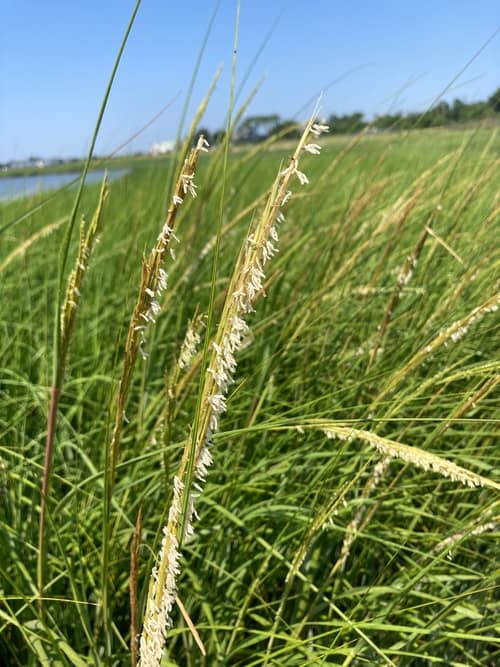
Close Relative (c) er-birds, some rights reserved (CC BY), uploaded by er-birds · cc-by
Help improve the field guideSomething wrong?
Checking your Fauna account…Report a name, category, or profile issue for review.