
Plant
Reed Canary Grass
Phalaris arundinaceaAlso known as Ribbon Grass, Gardener's Garters
Reed canary grass forms dense, towering mats in wetlands, lakeshores, and damp meadows across much of the Northern Hemisphere. Its vigorous underground rhizomes allow it to quickly choke out native wetland vegetation, fundamentally altering local water flow and soil structure. In late spring and summer, it produces robust leafy stems topped by tight panicles that transition from purple-tinted green to pale beige as seeds mature.
PerennialWetlandInvasive
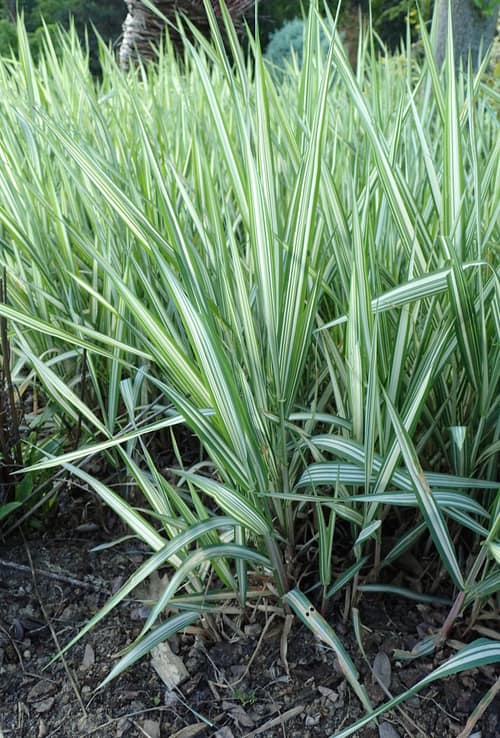
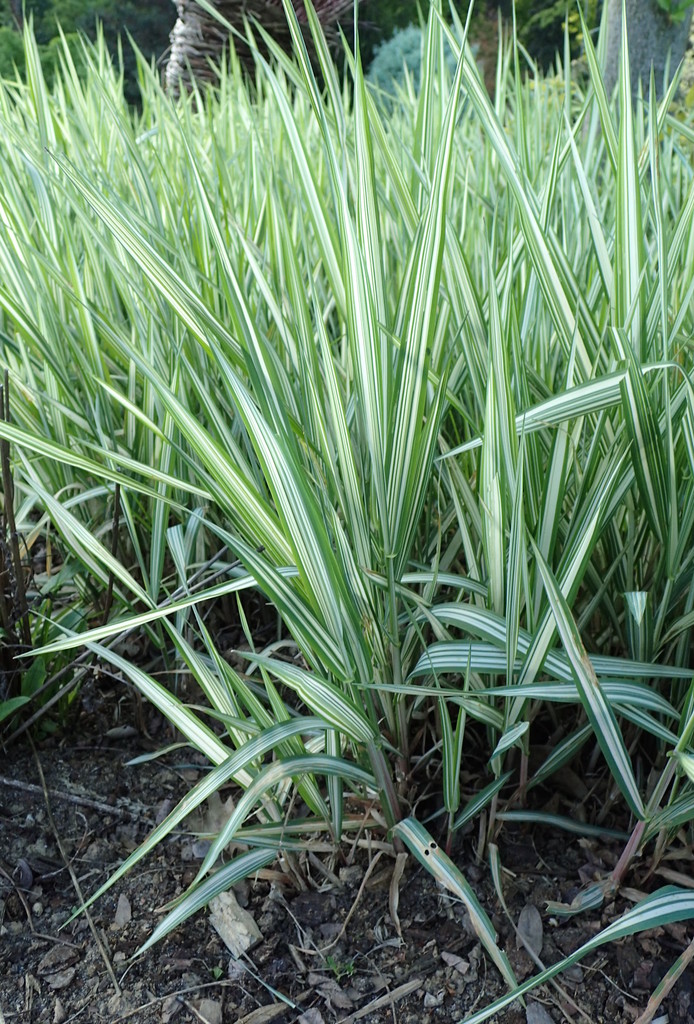
—observations
—countries
—peak records
Least ConcernConservation statusIUCN Red List categoriesLCNTVUENCREWEXLeast ConcernRed List categories, explained →
Diet & preyPhotosynthetic
Predators
- Grazing Livestock
- Waterfowl
- Insect Larvae
ThreatsHerbicide treatments, hydrological changes, targeted clearing
HabitatsWetlands, riverbanks, lake margins, wet meadows, ditches
Life spanPerennial (indefinite via spreading rhizomes)
Classification
- OrderPoales
- FamilyPoaceae
- GenusPhalaris
- SpeciesPhalaris arundinacea
Range data is not available yet.
Interaction riskLow
- Low
- Moderate
- High
- Very high
- Why interaction risk is low
- Safe to observe at a normal distance.
Responsible observation
- Identification: Look for broad, flat leaf blades with a prominent white membrane where the leaf joins the stem.
- Invasive Control: Avoid carrying root fragments on boots or tires when traveling between wetland sites.
- Seasonal Observation: Watch for the dense seed heads opening into airy panicles during midsummer.
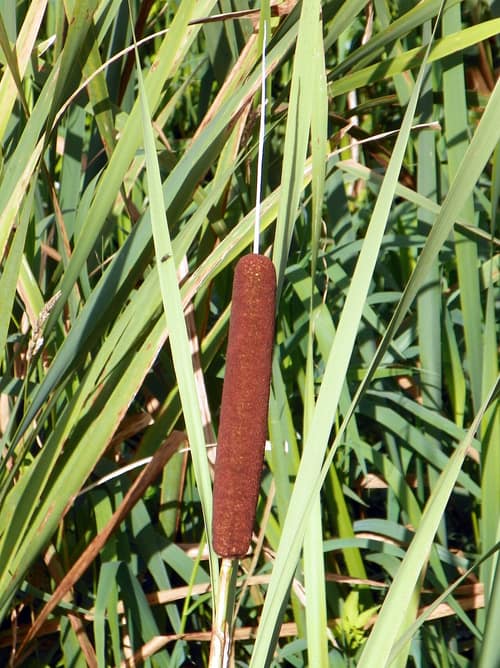
Competitor Peter O'Connor aka anemoneprojectors from Stevenage, United Kingdom / CC BY-SA 2.0 · cc-by-sa Image unavailable
Native Competitor Co-Occurring Wetland Grass 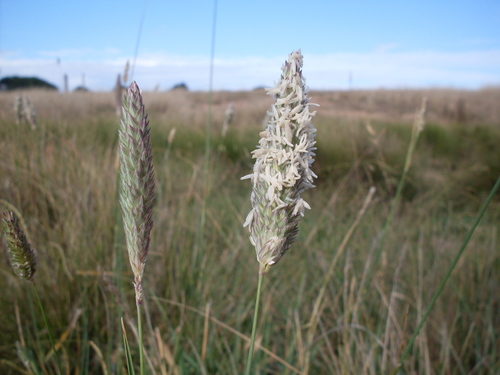
Close Relative (c) John Tann, some rights reserved (CC BY) · cc-by
Help improve the field guideSomething wrong?
Checking your Fauna account…Report a name, category, or profile issue for review.