
Plant · GBIF taxon 5289684
Green Bristle Grass
Setaria viridisAlso known as Green Foxtail, Wild Foxtail Millet, Green Bristlegrass
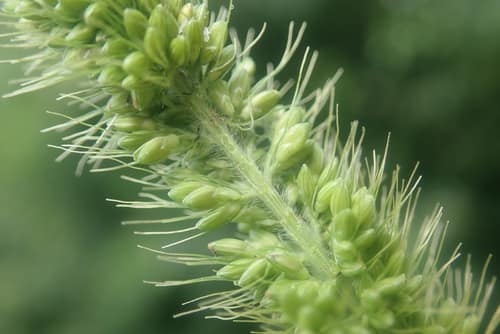
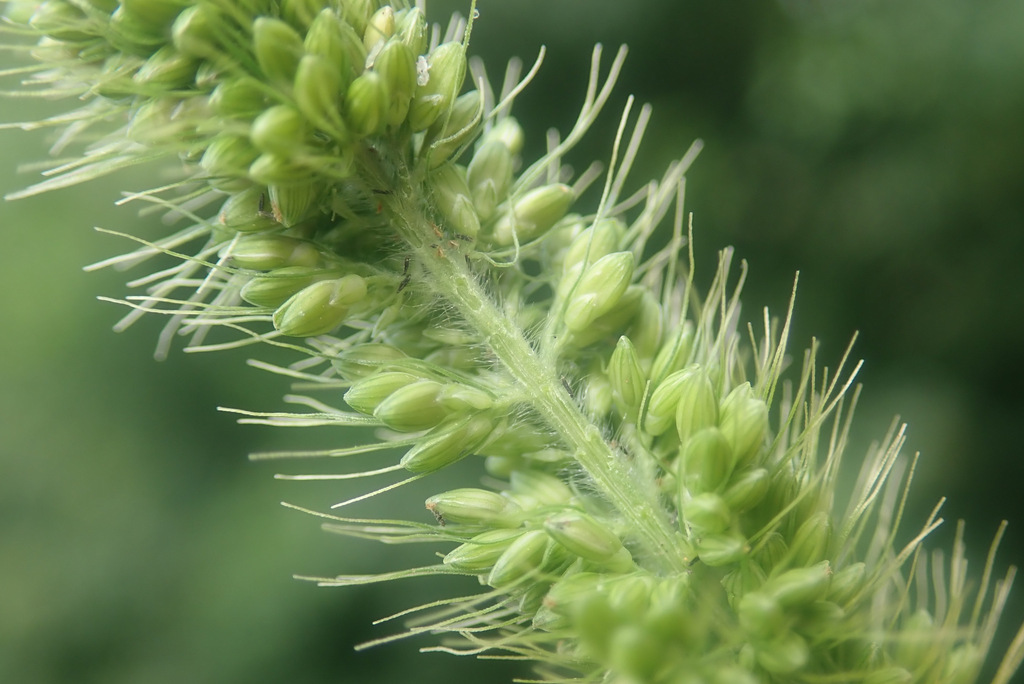
Green bristle grass produces soft, cylindrical flowering spikes that closely resemble fluffy green fox tails. Native to Eurasia, this resilient summer annual quickly colonizes disturbed soil, urban pavement cracks, and agricultural fields worldwide. It serves as the wild progenitor of cultivated foxtail millet, producing abundant seeds that sustain wild granivorous birds throughout late summer and autumn.
AnnualGrassAdaptable
 1 / 7
1 / 7—observations
—countries
—peak records
Not EvaluatedConservation statusIUCN Red List categoriesLCNTVUENCREWEXNot Evaluated — not placed on the risk ladderRed List categories, explained →
Diet & prey
- Autotroph (Photosynthetic)
Predators
- Granivorous Birds
- Small Rodents
- Grazing Livestock
ThreatsHerbicides, intensive cultivation
HabitatsDisturbed ground, roadsides, agricultural margins, vacant lots
Life spanAnnual (1 year)
Size / weightNot available
Classification
- OrderPoales
- FamilyPoaceae
- GenusSetaria
- SpeciesSetaria viridis
Range data is not available yet.
Interaction riskLow
- Low
- Moderate
- High
- Very high
- Why interaction risk is low
- Safe to observe at a normal distance.
Responsible observation
- Identifying the head: Look for dense, cylindrical green seed spikes that resemble fuzzy fox tails.
- Distinguishing species: Check the bristles under a hand lens; green bristle grass has soft awns pointing upward.
- Habitat spotting: Search along sunlit cracks in sidewalks, field borders, and waste ground in summer.
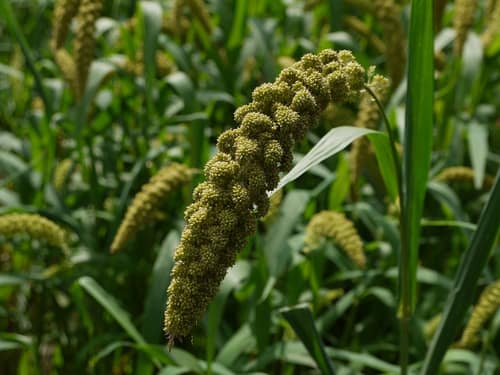
Domesticated Crop STRONGlk7 / CC BY-SA 3.0 · cc-by-sa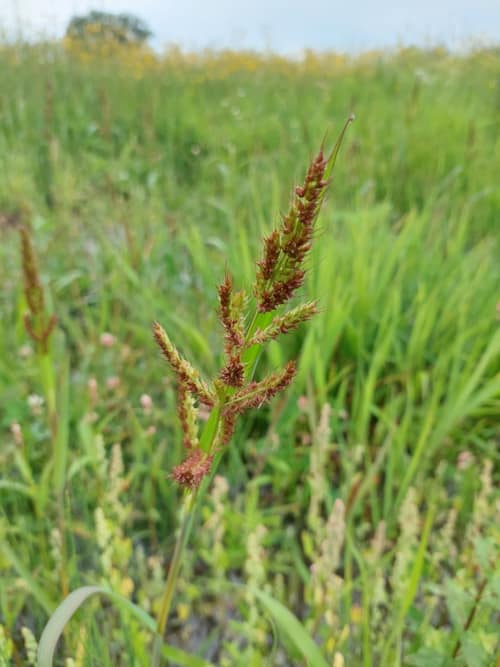
Competitor no rights reserved, uploaded by Carter Dorscht · cc0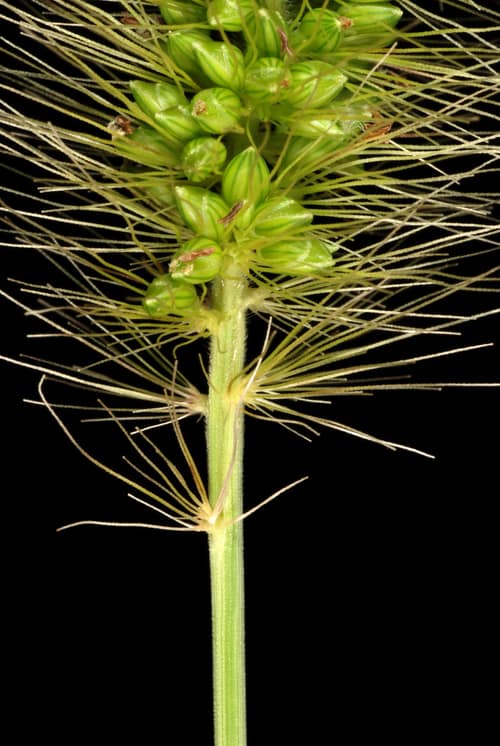
Close Relative (c) Douglas Goldman, some rights reserved (CC BY-SA), uploaded by Douglas Goldman · cc-by-sa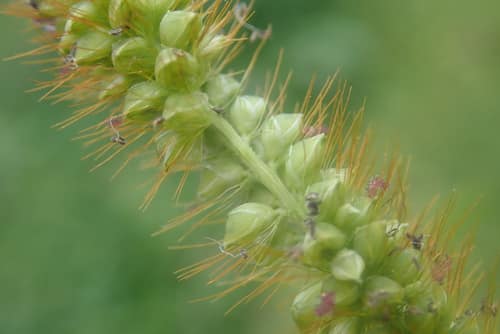
Close Relative (c) Thomas Gyselinck, some rights reserved (CC BY), uploaded by Thomas Gyselinck · cc-by
Help improve the field guideSomething wrong?
Checking your Fauna account…Report a name, category, or profile issue for review.