
Plant · GBIF taxon 5289679
Knotroot Bristlegrass
Setaria parvifloraAlso known as Marsh Bristlegrass
Knotroot bristlegrass anchors itself in moist soils using dense, knotty rhizomes that allow it to form resilient perennial clumps. Its narrow leaves yield to slender, cylindrical flower spikes densely wrapped in soft, yellowish to purplish bristles that catch the light. Birds and small mammals readily consume the abundant seeds, while the tough root system stabilizes damp banks and pasture edges.
PerennialGrassesNative
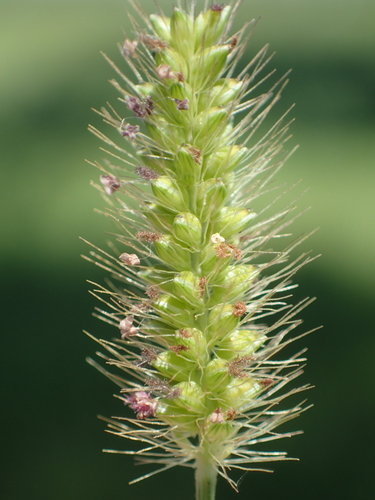
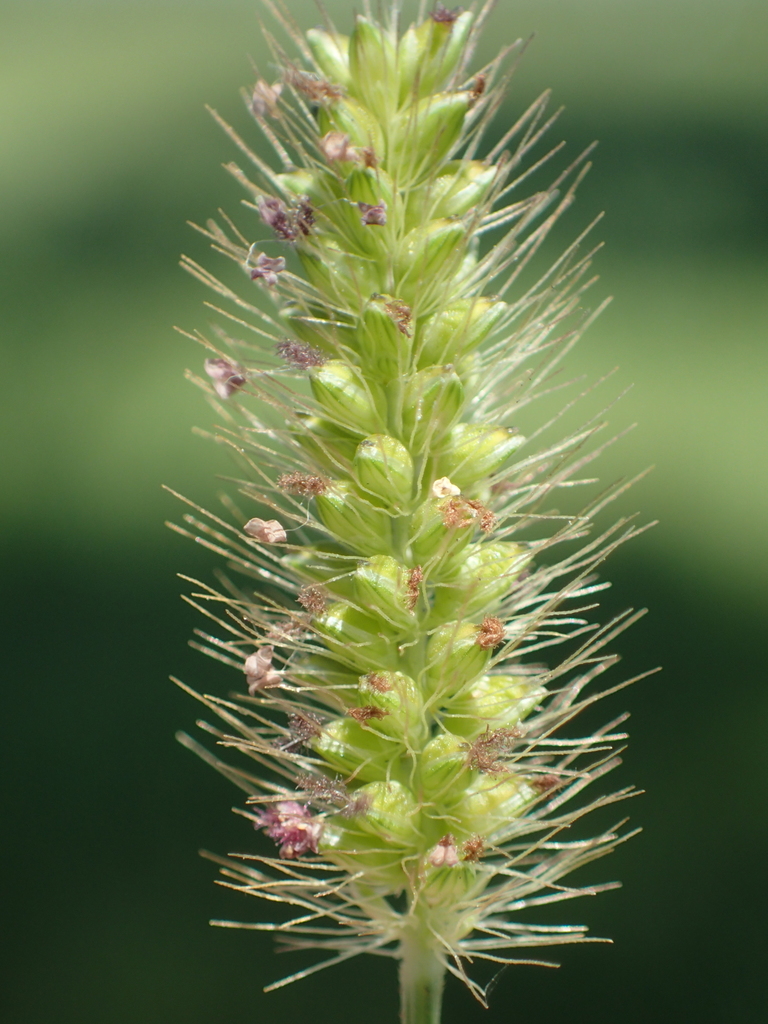
—observations
—countries
—peak records
Least ConcernConservation statusIUCN Red List categoriesLCNTVUENCREWEXLeast ConcernRed List categories, explained →
Diet & prey
- Sunlight
- Water
- Soil Minerals
Predators
- Grazing Livestock
- White-Tailed Deer
- Songbirds
ThreatsHerbicide application, habitat destruction
HabitatsMarshes, wet meadows, pastures, roadsides, coastal dunes
Life spanPerennial
Classification
- FamilyPoaceae
- SpeciesSetaria parviflora
Range data is not available yet.
Interaction riskLow
- Low
- Moderate
- High
- Very high
- Why interaction risk is low
- Safe to observe at a normal distance.
Responsible observation
- Inspect the Base: Gently feel near soil level for the hard, knotty rhizomes unique to this species.
- Examine Seed Heads: Look closely at the dense bristles surrounding the spikelets in late summer.
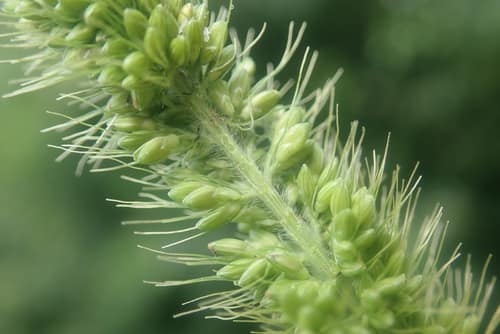
Close Relative (c) Thomas Gyselinck, some rights reserved (CC BY), uploaded by Thomas Gyselinck · cc-by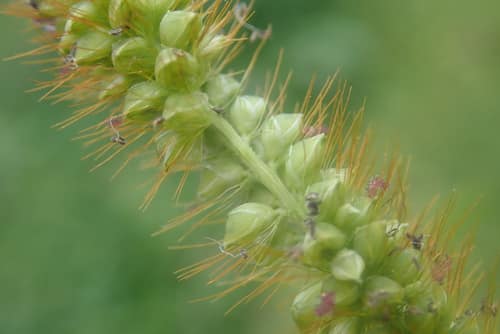
Close Relative (c) Thomas Gyselinck, some rights reserved (CC BY), uploaded by Thomas Gyselinck · cc-by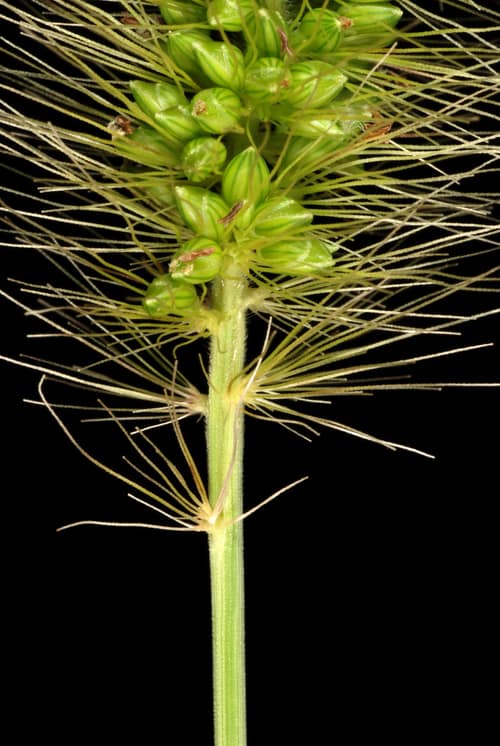
Close Relative (c) Douglas Goldman, some rights reserved (CC BY-SA), uploaded by Douglas Goldman · cc-by-sa
Help improve the field guideSomething wrong?
Checking your Fauna account…Report a name, category, or profile issue for review.