
Plant · GBIF taxon 5285816
Longleaf Pine
Pinus palustrisAlso known as Longleaf Yellow Pine
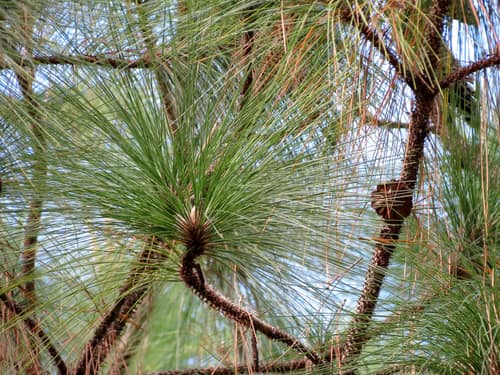
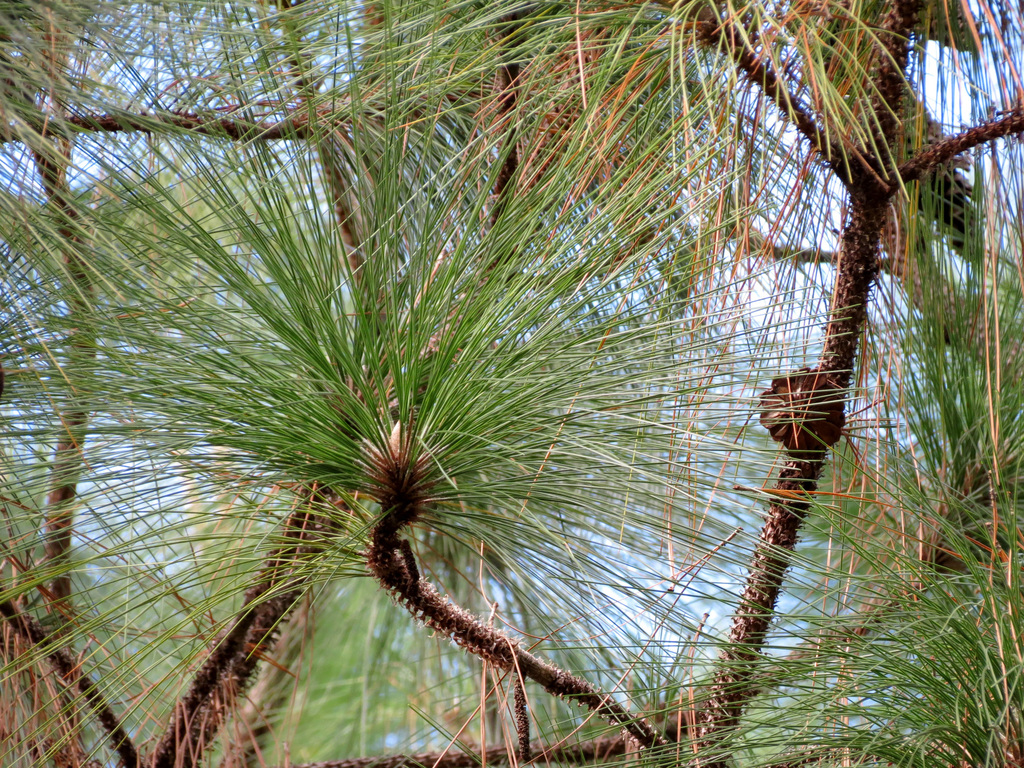
Longleaf pine is a tall conifer with very long needles grouped in threes, large silvery buds, and thick plated bark. Young trees can remain in a low grass stage before a rapid upward growth phase, an adaptation to frequently burned savannas.
Fire-adapted TreePine SavannaLong Needles
—observations
—countries
—peak records
EndangeredConservation statusIUCN Red List categoriesLCNTVUENCREWEXEndangeredRed List categories, explained →
Diet & prey
- Photosynthetic; a deep root system gathers water and mineral nutrients from often sandy soil
Predators
- Pine beetles
- Caterpillars
- Browsing mammals
ThreatsHistoric logging, land conversion, fire suppression, fragmented stands, and poor seedling recruitment
HabitatsFire-maintained pine savanna, flatwoods, sandy uplands, wet pine savanna, and open woodland
Life spanCommonly 200 years or more; exceptional old trees can approach four centuries
Size / weightNot available
Classification
- OrderPinales
- FamilyPinaceae
- GenusPinus
- SpeciesPinus palustris
Range data is not available yet.
Interaction riskLow
- Low
- Moderate
- High
- Very high
- Why interaction risk is low
- Remain on trails to protect low grass-stage seedlings and the diverse ground layer.
- What to notice
- Very long needles in bundles of three, large silvery buds, and thick plated bark distinguish mature trees.
- Support conservation
- Stay on established routes, leave seedlings untouched, and never enter an active or recently closed burn unit.
Responsible observation
- Identify: Look for flexible needles in bundles of three and large pale buds.
- Protect: Step around small grass-stage seedlings rather than through them.
- Fire: Observe only from areas open under current prescribed-burn rules.
Help improve the field guideSomething wrong?
Checking your Fauna account…Report a name, category, or profile issue for review.