
Plant · GBIF taxon 5285750
Lodgepole Pine
Pinus contortaAlso known as Shore Pine, Black Pine
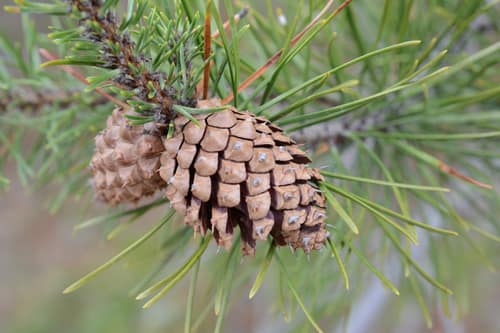
Lodgepole pine is a slender conifer with short stiff needles paired in each bundle and small egg-shaped cones armed with prickles. Many inland populations retain closed cones that release seeds after heat, while coastal forms often open without fire.
Two-needle PineFire-adapted ConiferSerotinous Cones
 1 / 7
1 / 7—observations
—countries
—peak records
Least ConcernConservation statusIUCN Red List categoriesLCNTVUENCREWEXLeast ConcernRed List categories, explained →
Diet & prey
- Produces energy through photosynthesis and obtains water and nutrients through roots associated with mycorrhizal fungi
Predators
- Mountain pine beetles
- Red squirrels
- Porcupines
ThreatsBark beetle outbreaks, severe drought, high-intensity wildfire, logging, disease, and rapid climate change
HabitatsCoastal dunes and bogs, montane conifer forest, subalpine slopes, burned ground, and cold interior plateaus
Life spanOften 150 to 200 years, with some trees surviving substantially longer
Size / weightNot available
Classification
- OrderPinales
- FamilyPinaceae
- GenusPinus
- SpeciesPinus contorta
Range data is not available yet.
Interaction riskLow
- Low
- Moderate
- High
- Very high
- Why interaction risk is low
- Stay clear of beetle-killed snags and fire-damaged trees that may drop limbs without warning.
Responsible observation
- Needles: Confirm two short needles joined at the base of each bundle.
- Cones: Look for small prickled cones that may remain attached for years.
- Snags: Do not linger beneath dead, burned, or visibly leaning trunks.
Help improve the field guideSomething wrong?
Checking your Fauna account…Report a name, category, or profile issue for review.