
Plant · GBIF taxon 5285637
Scots Pine
Pinus sylvestrisAlso known as Scotch Pine
Scots pine is a widespread Eurasian conifer recognized by paired blue-green needles and orange-red bark high on mature trunks. It tolerates cold, nutrient-poor ground and forms open forests that shelter lichens, fungi, insects, birds, and mammals.
Northern ConiferPaired NeedlesOrange Bark
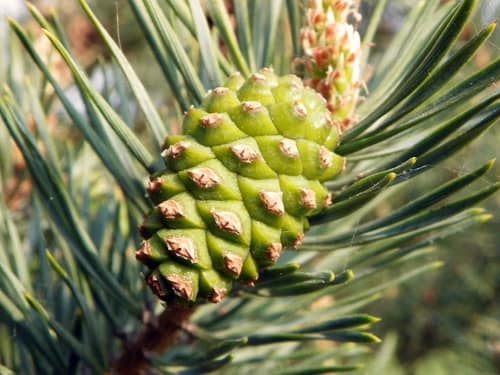
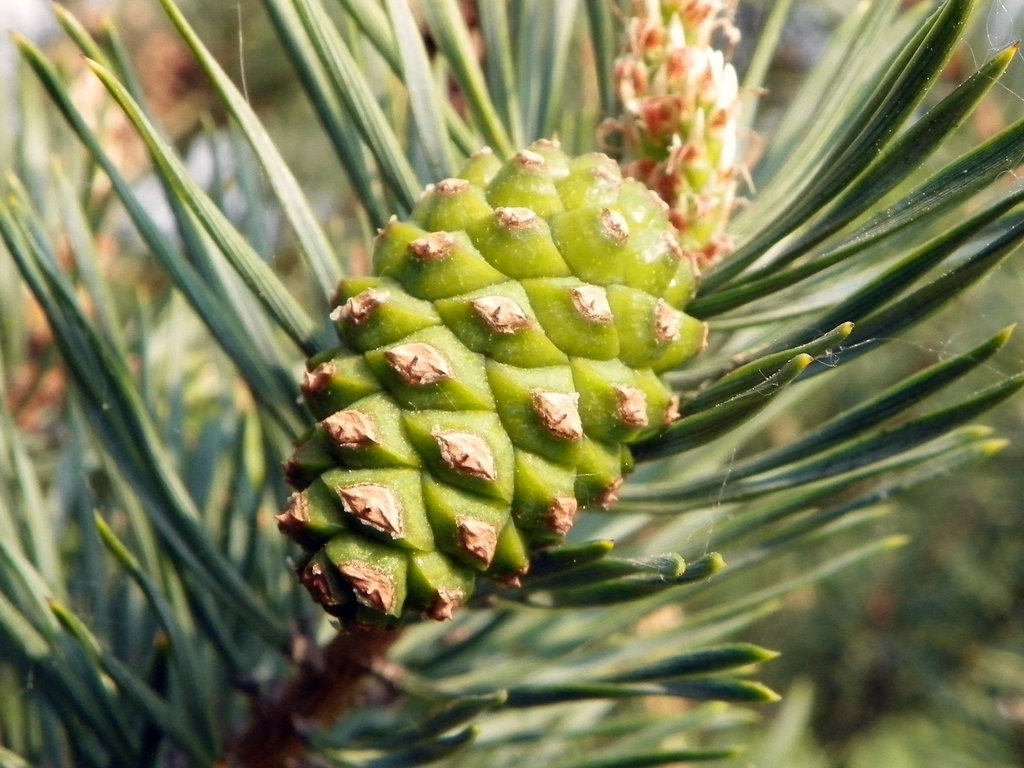 1 / 7
1 / 7—observations
—countries
—peak records
Least ConcernConservation statusIUCN Red List categoriesLCNTVUENCREWEXLeast ConcernRed List categories, explained →
Diet & prey
- Photosynthesis; roots and mycorrhizal partners obtain water and mineral nutrients
Predators
- Bark beetles
- Pine sawflies
- Browsing deer
ThreatsWildfire, drought, bark beetles, fungal disease, browsing, and loss of native woodland structure
HabitatsBoreal forest, heath, dunes, sandy plains, rocky slopes, bog margins, and plantations
Life spanOften 150 to 300 years, with exceptional trees living longer
Size / weightNot available
Classification
- OrderPinales
- FamilyPinaceae
- GenusPinus
- SpeciesPinus sylvestris
Range data is not available yet.
Interaction riskLow
- Low
- Moderate
- High
- Very high
- Why interaction risk is low
- Wild conifers and cones have look-alikes; do not eat or ingest material based on app identification.
Responsible observation
- Needles: Confirm needles occur in pairs and are slightly twisted.
- Bark: Mature upper trunks often show thin, flaky orange-red bark.
Help improve the field guideSomething wrong?
Checking your Fauna account…Report a name, category, or profile issue for review.