
Plant · GBIF taxon 5285286
Hispaniolan Pine
Pinus occidentalisAlso known as Hispaniola Pine, Pino Criollo
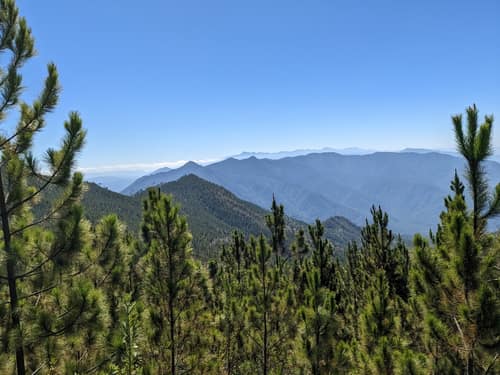
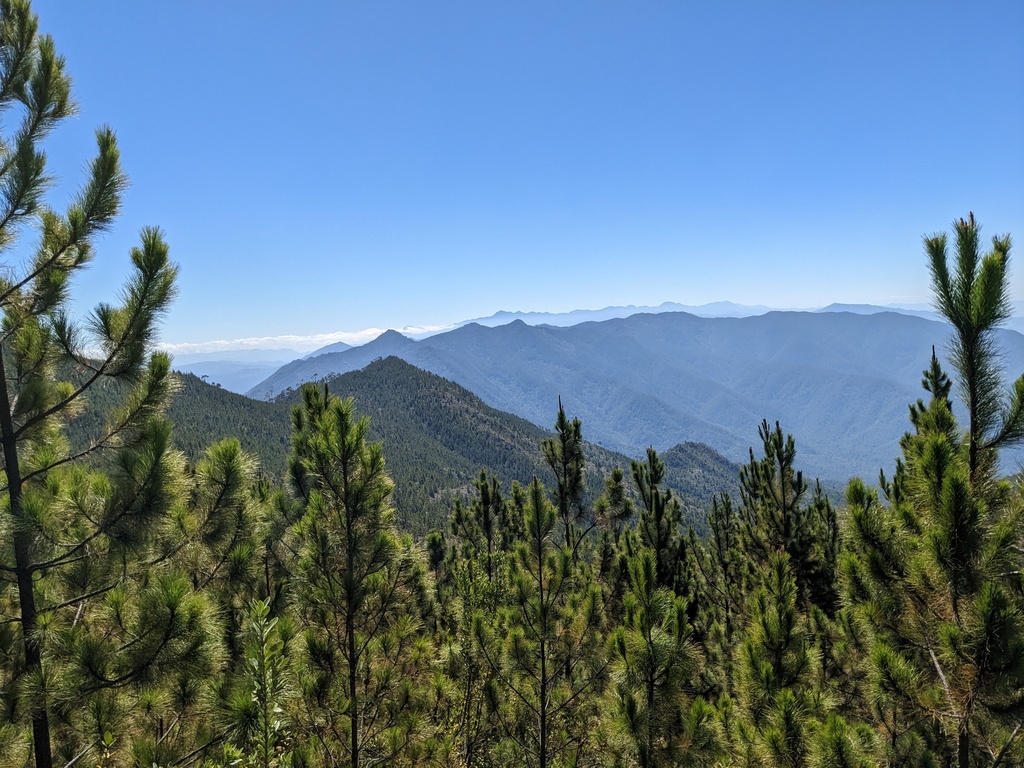
Hispaniolan pines dominate the high-altitude montane forests of Hispaniola, shaping the island's unique mist-shrouded highland ecosystems. Their thick, fire-resistant bark and deep root systems allow them to thrive on steep, rugged slopes subject to frequent mountain fires and frost. As the keystone canopy trees of these highland savannas, they provide critical food and nesting habitat for endemic bird species.
EndemicConiferEvergreen
—observations
—countries
—peak records
EndangeredConservation statusIUCN Red List categoriesLCNTVUENCREWEXEndangeredRed List categories, explained →
Diet & prey
- Autotrophic (Photosynthetic)
Predators
- Bark Beetles
- Fungal Pathogens
ThreatsDeforestation, uncontrolled wildfires, agricultural land clearance, climate change
HabitatsMontane pine forests, mountain ridges, high-elevation savannas
Life span100–300 years
Size / weightNot available
Classification
- FamilyPinaceae
- SpeciesPinus occidentalis
Range data is not available yet.
Interaction riskLow
- Low
- Moderate
- High
- Very high
- Why interaction risk is low
- Safe to observe at a normal distance.
- What to notice
- Look for tall, needle-leafed evergreen trees growing above 800 meters in the mountains of Dominican Republic and Haiti.
- Support conservation
- Observe from established park trails and avoid damaging saplings or disturbing delicate topsoil.
Responsible observation
- Trail Etiquette: Stick to established trails in protected reserves like Valle Nuevo to prevent soil erosion.
- Birdwatching: Look toward the upper canopy to spot rare endemic birds foraging among the pine cones.
- Fire Prevention: Refrain from lighting fires, as fallen needles and dry cones ignite easily.
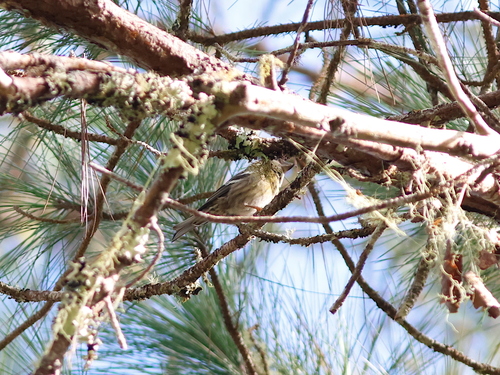
Seed Consumer (c) Dan Riley, some rights reserved (CC BY) · cc-by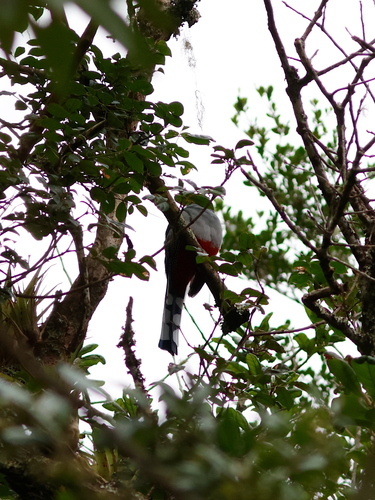
Forest Inhabitant (c) Dan Riley, some rights reserved (CC BY) · cc-by Image unavailable
Close Relative 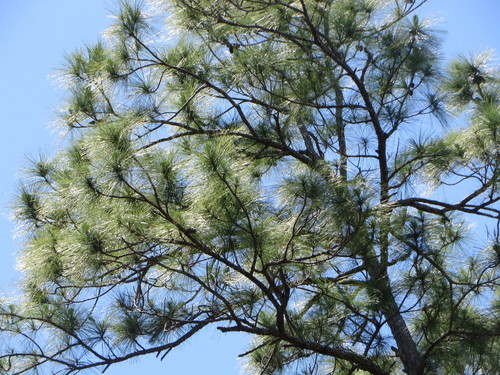
Close Relative (c) Ben Machado, some rights reserved (CC BY), uploaded by Ben Machado · cc-by
Help improve the field guideSomething wrong?
Checking your Fauna account…Report a name, category, or profile issue for review.