
Plant · GBIF taxon 5285243
Canary Island Pine
Pinus canariensisAlso known as Canary Pine
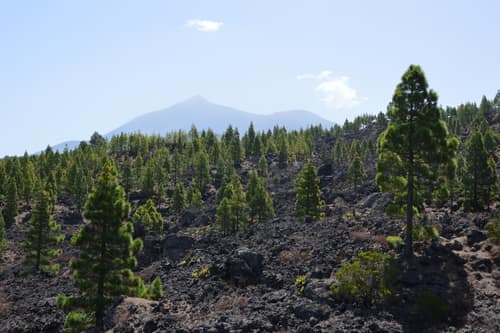
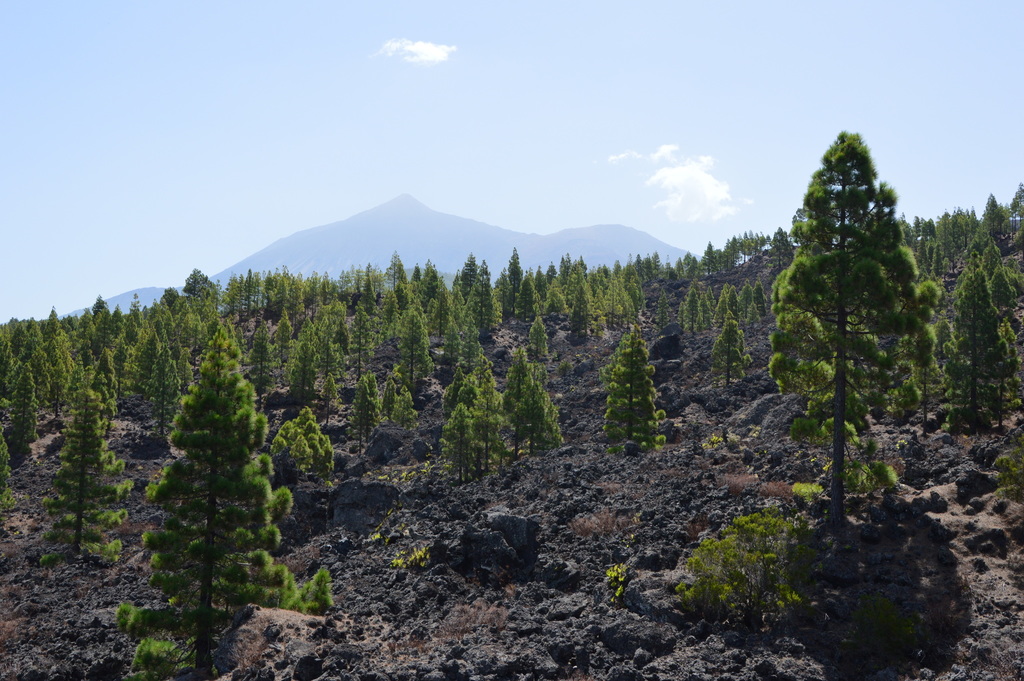
Canary Island pines dominate the rugged volcanic slopes of their native archipelago, where their exceptionally long, weeping needles comb vast amounts of moisture directly from passing trade wind fog banks. The species possesses remarkable fire resistance, utilizing thick insulating bark and dormant epicormic buds beneath the wood to sprout lush green shoots along charred trunks after severe wildfires. Their heavy, pitch-rich heartwood historically fueled shipbuilding and construction across the islands, leaving deep cultural and ecological legacies.
EvergreenConiferEndemic
 1 / 7
1 / 7—observations
—countries
—peak records
Least ConcernConservation statusIUCN Red List categoriesLCNTVUENCREWEXLeast ConcernRed List categories, explained →
Diet & prey
- Photoautotrophic (requires sunlight, water, and soil minerals)
Predators
- Pine processionary moth
- Gran Canaria blue chaffinch
- Great spotted woodpecker
ThreatsSevere wildfires fueled by climate shifts, overextraction of groundwater, and invasive pests
HabitatsMontane pine forests and volcanic slopes between 400 and 2,000 meters elevation
Life span200 to 500+ years
Size / weightNot available
Classification
- OrderPinales
- FamilyPinaceae
- GenusPinus
- SpeciesPinus canariensis
Range data is not available yet.
Interaction riskLow
- Low
- Moderate
- High
- Very high
- Why interaction risk is low
- Safe to observe at a normal distance.
Responsible observation
- Foliage Inspection: Look for needles bundled in threes, measuring an impressive 20 to 30 centimeters in length.
- Post-Fire Scouting: Check charred trunks for bright green epicormic tufts regrowing directly from trunk wood.
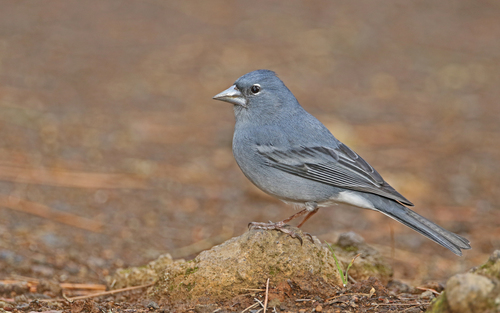
Seed Predator (c) Christoph Moning, some rights reserved (CC BY), uploaded by Christoph Moning · cc-by Image unavailable
Neighbor Neighbor 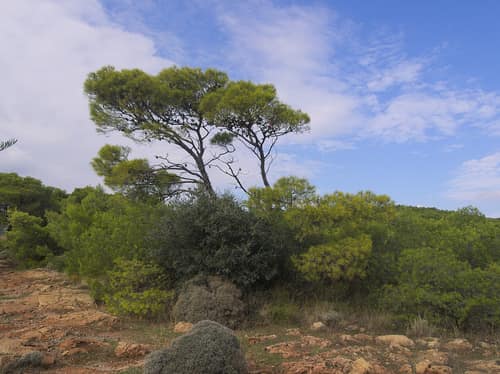
Close Relative C messier / CC BY-SA 4.0 · cc-by-sa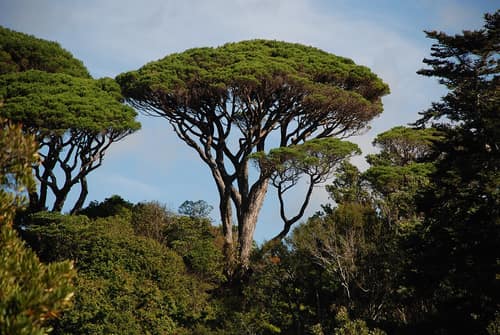
Close Relative Karora / Public domain · cc0
Help improve the field guideSomething wrong?
Checking your Fauna account…Report a name, category, or profile issue for review.