
Plant
Egg-cone Pine
Pinus oocarpaAlso known as Ocote, Mexican Yellow Pine, Hazelnut Pine, Ocote Chino
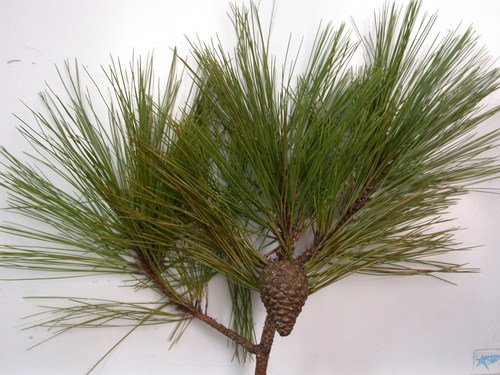
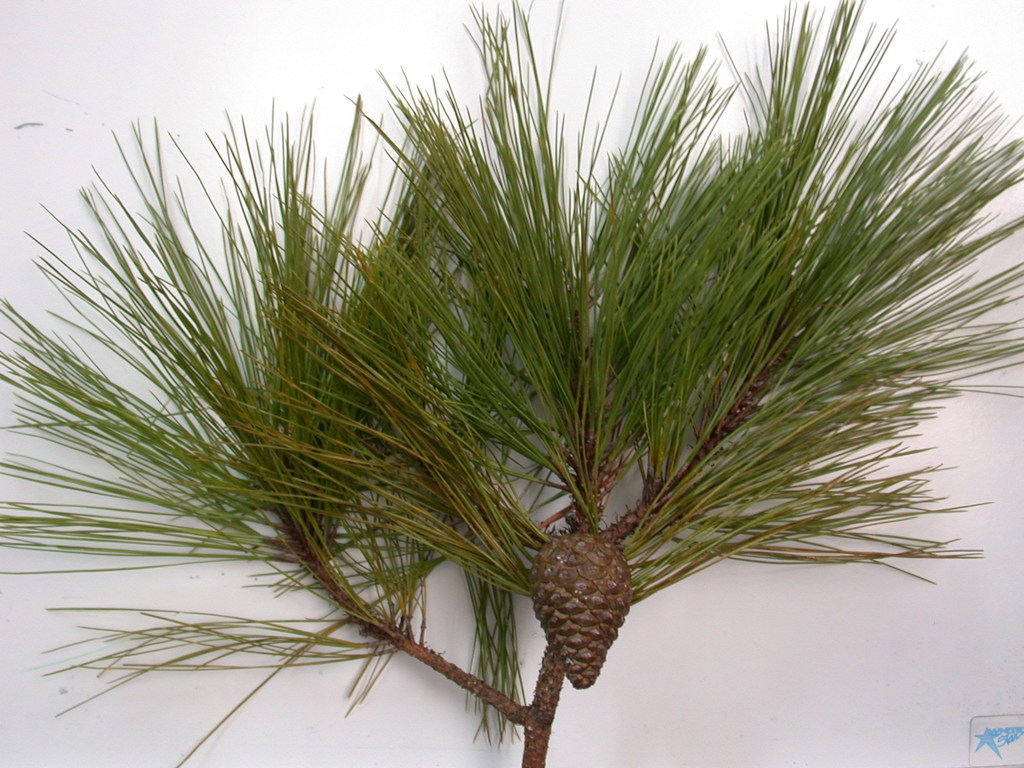
Egg-cone pine dominates subtropical montane woodlands across Mexico and Central America, thriving on dry, fire-prone slopes where few other tall trees can compete. Young saplings possess an unusual resprouting ability from basal buds following low-intensity fires, ensuring rapid recovery after burns sweep the understory. Mature trees develop distinctive egg-shaped cones that often stay closed on branches for years until triggered by heat or dry winds to disperse their winged seeds.
ConiferEvergreenFire-adapted
—observations
—countries
—peak records
Least ConcernConservation statusIUCN Red List categoriesLCNTVUENCREWEXLeast ConcernRed List categories, explained →
Diet & preyPhotoautotroph
Predators
- Southern pine beetle
- Defoliating sawflies
ThreatsPine bark beetle infestations, agricultural clearing, excessive logging
HabitatsMontane pine-oak forests, subtropical dry slopes, highland ridges
Life span100–200 years
Classification
- FamilyPinaceae
- SpeciesPinus oocarpa
Range data is not available yet.
Interaction riskLow
- Low
- Moderate
- High
- Very high
- Why interaction risk is low
- Safe to observe at a normal distance.
Responsible observation
- Cone Identification: Look for small, broadly ovoid cones that sit on long stalks and remain stubbornly attached to branches.
- Bark Inspection: Note the deeply fissured, scaly grey-brown bark that provides insulation against frequent ground fires.
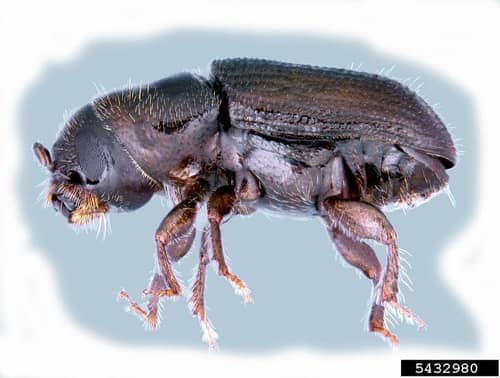
Predator (c) Erich G. Vallery, some rights reserved (CC BY) · cc-by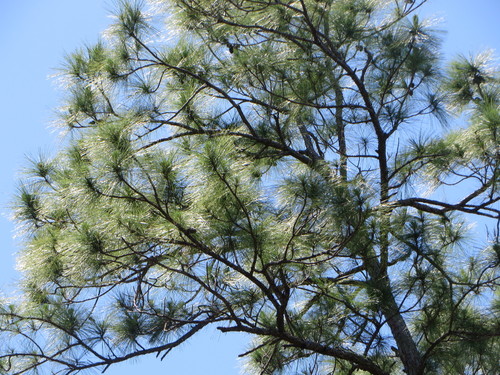
Close Relative (c) Ben Machado, some rights reserved (CC BY), uploaded by Ben Machado · cc-by Image unavailable
Close Relative 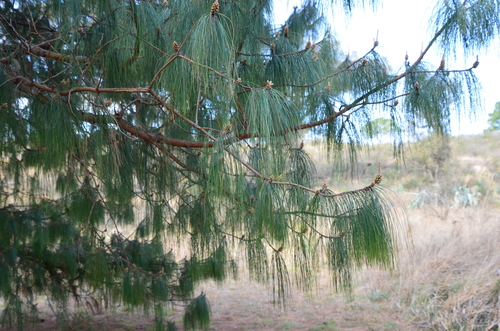
Close Relative (c) Lauu, some rights reserved (CC BY), uploaded by Lauu · cc-by
Help improve the field guideSomething wrong?
Checking your Fauna account…Report a name, category, or profile issue for review.