
Plant · GBIF taxon 5285180
Chilgoza Pine
Pinus gerardianaAlso known as Chilghoza Pine, Neja, Gerard's Pine
Chilgoza pines thrive in the dry, high-altitude valleys of the western Himalayas, where their deep root systems help stabilize steep alpine slopes. These medium-sized conifers produce large resinous cones containing rich seeds that sustain native mountain wildlife throughout harsh winters. Heavy cone harvesting and livestock overgrazing across their restricted range present significant obstacles to natural forest regeneration.
ConiferAlpineEvergreen
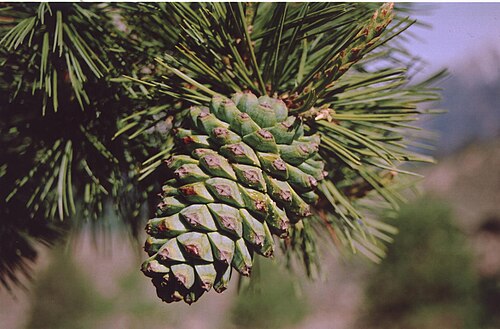
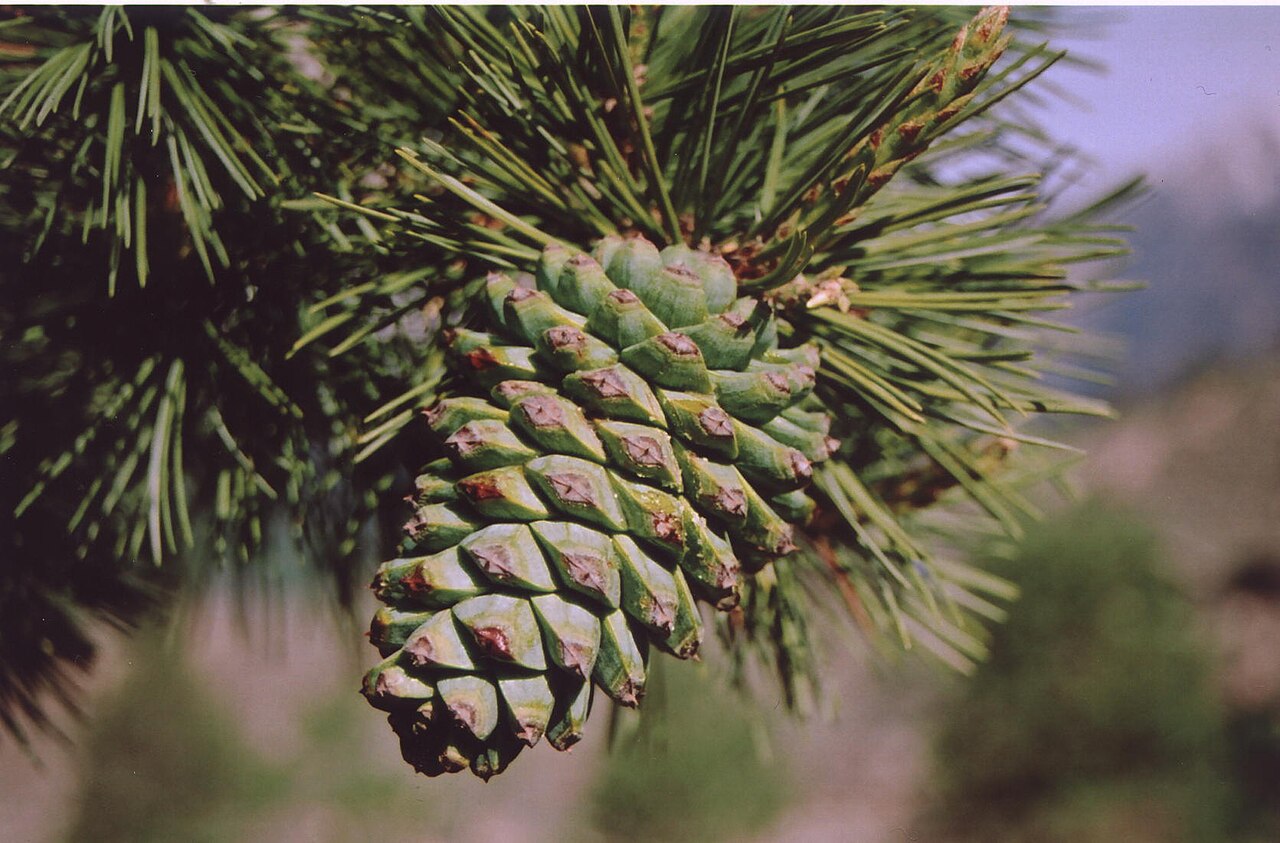
Licensed referenceWikimedia Commons / Public domain · cc0
—observations
—countries
—peak records
Near ThreatenedConservation statusIUCN Red List categoriesLCNTVUENCREWEXNear ThreatenedRed List categories, explained →
Diet & prey
- Sunlight
- Water
- Soil Nutrients
Predators
- Large-Spotted Nutcracker
- Tufted Ground Squirrel
- Pikas
ThreatsOverharvesting of cones, livestock overgrazing, habitat fragmentation
HabitatsDry alpine valleys, steep rocky slopes, high-altitude mountain woodlands
Life span150–300 years
Size / weightNot available
Classification
- FamilyPinaceae
- SpeciesPinus gerardiana
Range data is not available yet.
Interaction riskLow
- Low
- Moderate
- High
- Very high
- Why interaction risk is low
- Wild seeds and nuts have toxic look-alikes; never harvest or ingest wild plant parts without expert confirmation.
- What to notice
- Recognize by flaky pale gray bark, needles arranged in clusters of three, and broad woody cones.
- Support conservation
- Refrain from removing cones or disturbing saplings to allow natural forest recovery in fragile mountain habitats.
Responsible observation
- Cone Spotting: Look high into the upper canopy during late autumn to spot large woody cones.
- Trail Etiquette: Stick to designated paths to avoid eroding loose alpine soil around fragile roots.
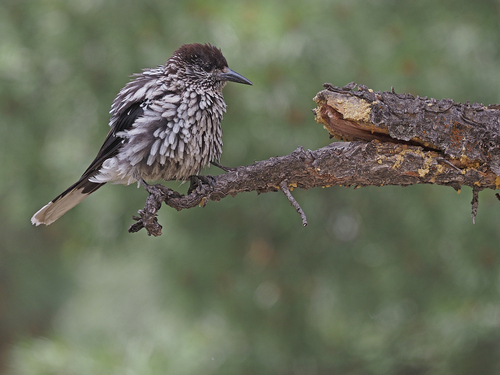
Seed Disperser no rights reserved, uploaded by James Eaton · cc0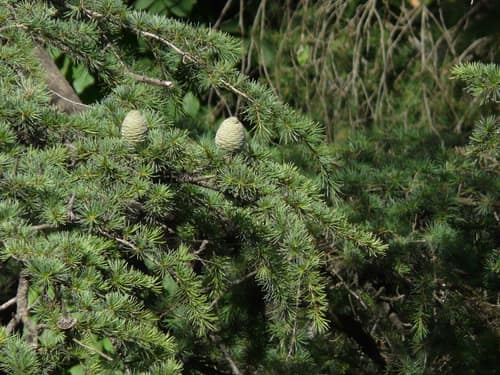
Frequent Companion (c) Dinesh Valke, some rights reserved (CC BY-SA) · cc-by-sa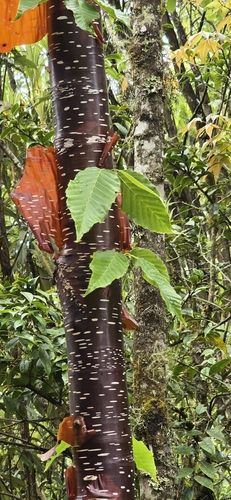
Habitat Neighbor (c) libby hepburn, some rights reserved (CC BY), uploaded by libby hepburn · cc-by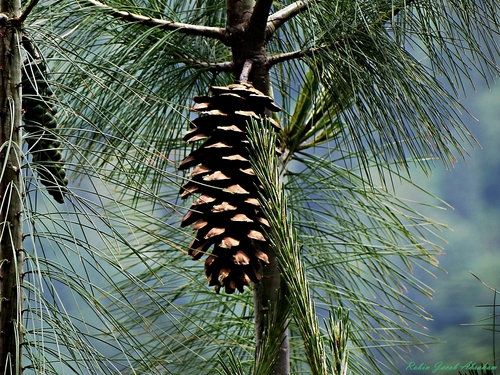
Close Relative (c) Robin Abraham, bazı hakları saklıdır (CC BY) · cc-by
Help improve the field guideSomething wrong?
Checking your Fauna account…Report a name, category, or profile issue for review.