
Plant
Jelecote Pine
Pinus patulaAlso known as Patula Pine, Mexican Weeping Pine, Spreading-leaved Pine
Jelecote pines grace high-elevation Mexican mist forests with a graceful, weeping silhouette formed by long, drooping needles that shed rain efficiently. Rapid growth and valuable softwood led to widespread introduction across the Southern Hemisphere, where extensive commercial timber plantations thrive. In native mountain habitats, dense stands provide critical shelter and soil stabilization across steep, fog-shrouded volcanic ridges.
EvergreenConiferMontane
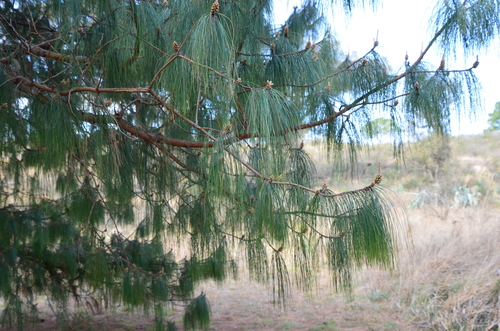
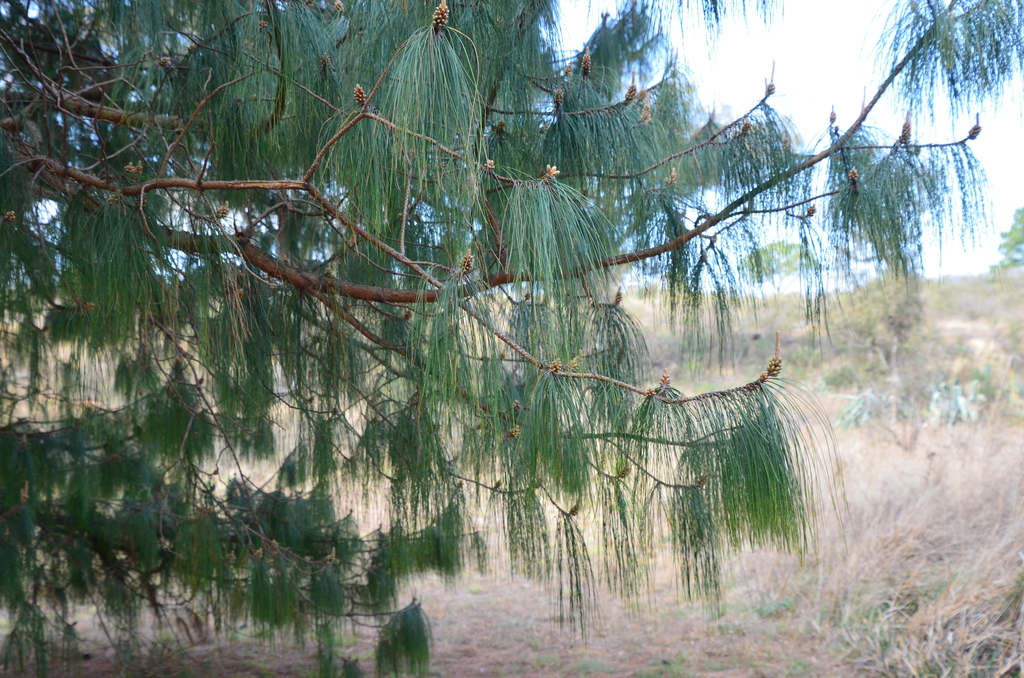
—observations
—countries
—peak records
Least ConcernConservation statusIUCN Red List categoriesLCNTVUENCREWEXLeast ConcernRed List categories, explained →
Diet & preyAutotrophic (Photosynthetic)
Predators
- Bark beetles
- Pine processionary caterpillars
- Root rot fungi
ThreatsWildfires, logging, and pest infestations
HabitatsMontane cloud forests, pine-oak woodlands, upland slopes
Life span100–150 years
Classification
- OrderPinales
- FamilyPinaceae
- GenusPinus
- SpeciesPinus patula
Range data is not available yet.
Interaction riskLow
- Low
- Moderate
- High
- Very high
- Why interaction risk is low
- Safe to observe at a normal distance.
Responsible observation
- Needle observation: Examine the clusters of three to four long, droopy needles hanging in soft curtains.
- Cone hunting: Search for asymmetrical, pale brown cones that remain tightly attached to branches.
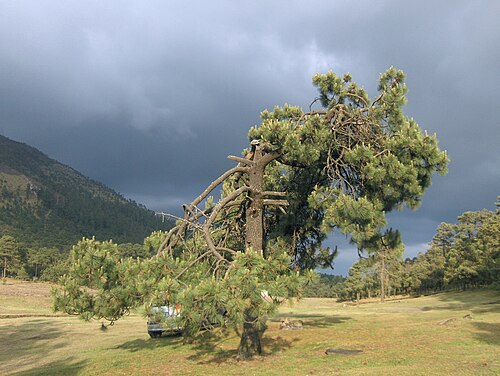
Close Relative Respindola23 / CC BY-SA 4.0 · cc-by-sa Image unavailable
Close Relative Close Relative 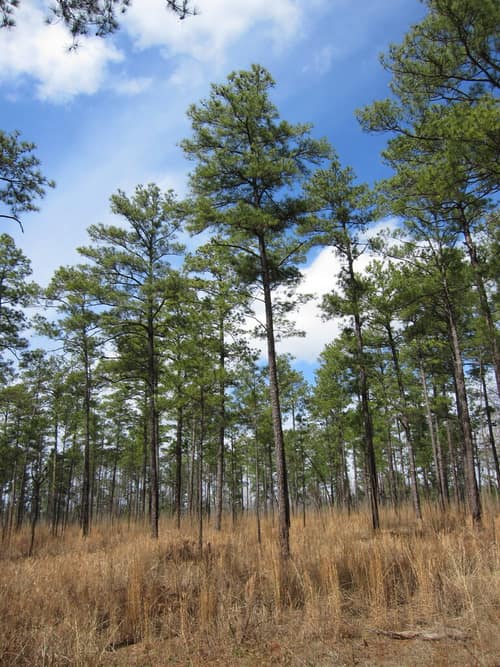
Close Relative (c) Chris M Morris, some rights reserved (CC BY) · cc-by
Help improve the field guideSomething wrong?
Checking your Fauna account…Report a name, category, or profile issue for review.