
Plant · GBIF taxon 5285084
Chir Pine
Pinus roxburghiiAlso known as Longleaf Indian Pine, Himalayan Longleaf Pine, Mirg Pine
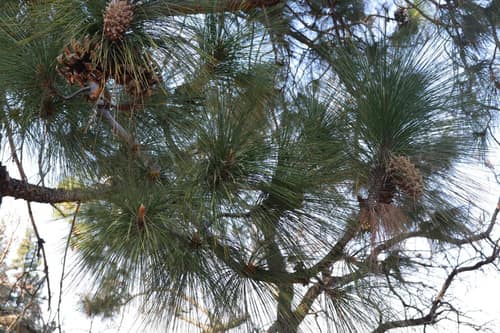
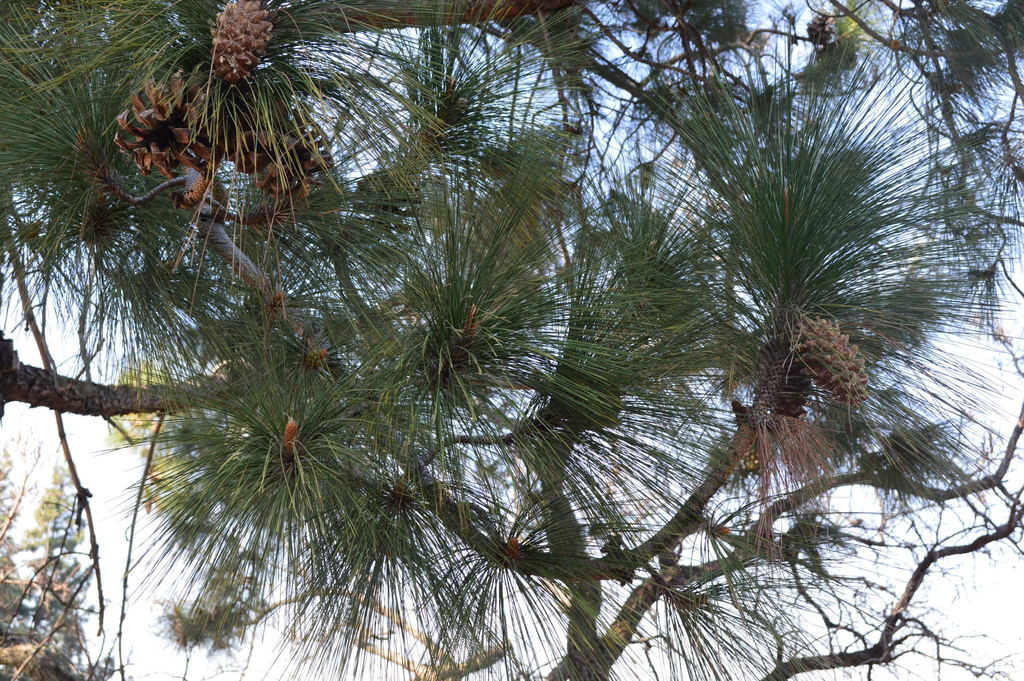
Chir pines dominate the lower slopes of the Himalayas, shaping mountain ecosystems with their towering pale-green canopies. Their thick, deeply furrowed bark protects mature trees from ground fires, while carpeted needles on the forest floor suppress competing undergrowth. Highly valued for turpentine resin and timber, these trees provide crucial watershed protection and nesting habitat across northern South Asia.
EvergreenConiferHimalayan
 1 / 7
1 / 7—observations
—countries
—peak records
Least ConcernConservation statusIUCN Red List categoriesLCNTVUENCREWEXLeast ConcernRed List categories, explained →
Diet & prey
- Autotrophic (Photosynthesis)
Predators
- Pine Bark Beetle
- Porcupine
- Chir Pine Defoliator Moth
ThreatsExcessive resin tapping, severe forest fires, and land clearing
HabitatsSubtropical and temperate Himalayan slopes
Life span100–300 years
Classification
- FamilyPinaceae
- SpeciesPinus roxburghii
Range data is not available yet.
Interaction riskLow
- Low
- Moderate
- High
- Very high
- Why interaction risk is low
- Safe to observe at a normal distance.
Responsible observation
- Look for Needles: Examine the unusually long needles arranged in bundles of three.
- Check the Bark: Note the thick, deeply plated bark designed to survive mountain fires.
- Observe the Cones: Search for large, woody, cone-shaped seed structures on branches.
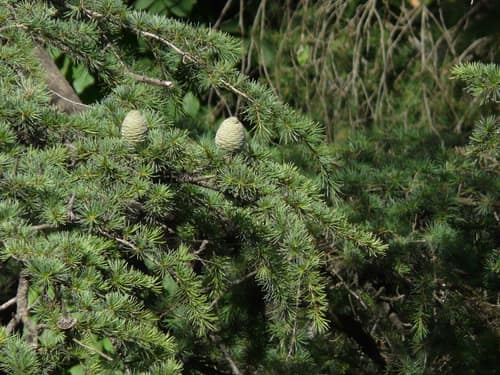
Frequent Companion (c) Dinesh Valke, some rights reserved (CC BY-SA) · cc-by-sa Image unavailable
Frequent Companion 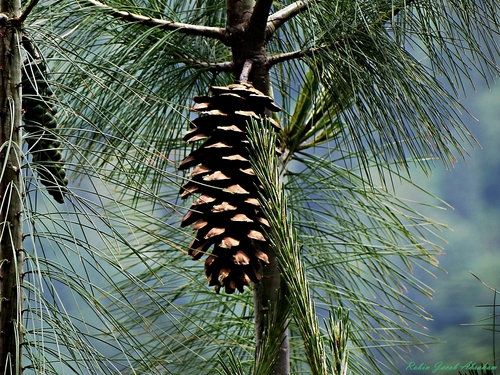
Close Relative (c) Robin Abraham, bazı hakları saklıdır (CC BY) · cc-by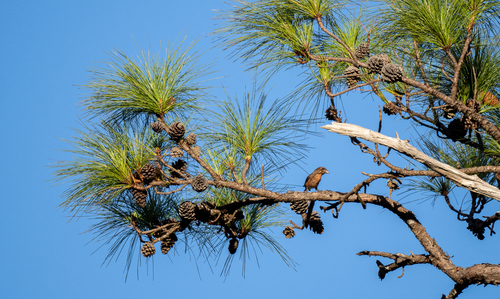
Close Relative (c) Forest Botial-Jarvis, some rights reserved (CC BY) · cc-by
Help improve the field guideSomething wrong?
Checking your Fauna account…Report a name, category, or profile issue for review.