
Plant · GBIF taxon 5284979
Korean Pine
Pinus koraiensisAlso known as Chinese Pinenut, Red Pine
Korean pines dominate ancient mixed temperate forests across northeastern Asia, reaching heights over thirty meters with majestic blue-green needles grouped in clusters of five. These long-lived conifers rely on mutualistic relationships with birds and rodents to disperse their large, heavy, wingless seeds. Highly valued for both ecosystem stability and dense resinous timber, mature stands provide critical habitat for Asian wildlife including the Siberian tiger.
ConiferEvergreenMountain Tree
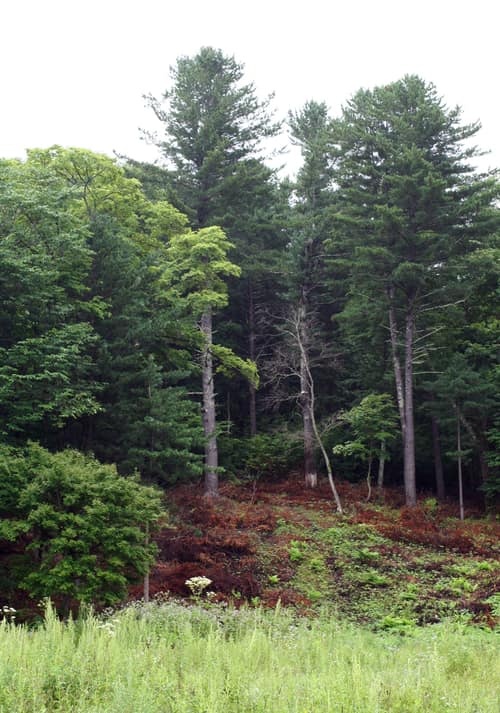
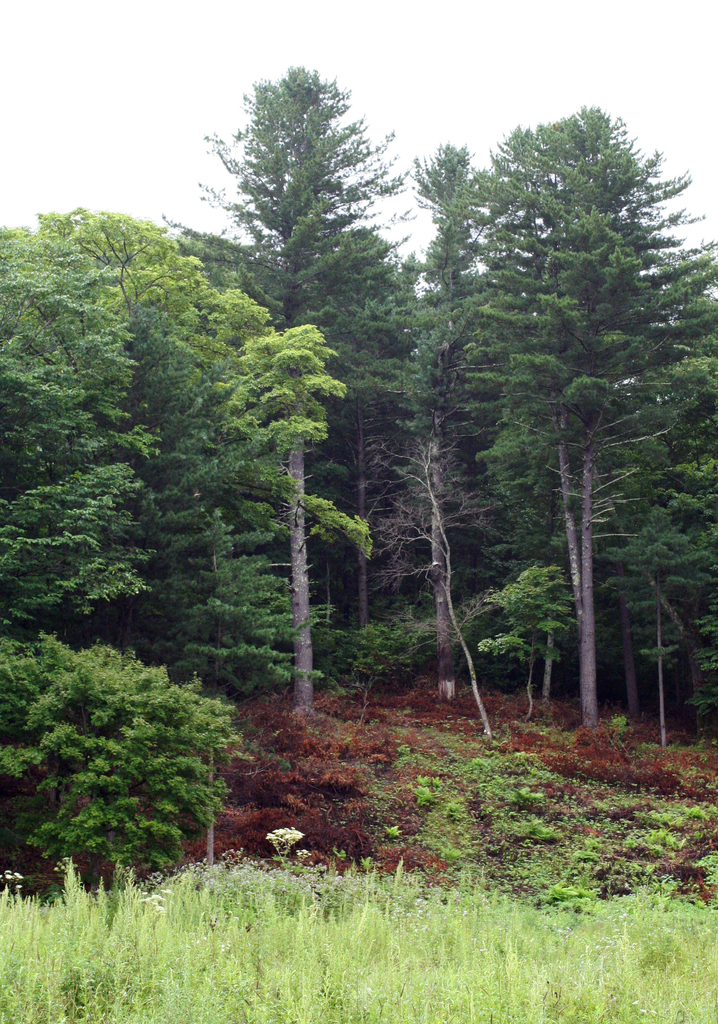
—observations
—countries
—peak records
Least ConcernConservation statusIUCN Red List categoriesLCNTVUENCREWEXLeast ConcernRed List categories, explained →
Diet & prey
- Photosynthetic
Predators
- Eurasian Nutcracker
- Asian Chipmunk
- Siberian Flying Squirrel
ThreatsIllegal Logging, Habitat Fragmentation, Excessive Seed Harvesting
HabitatsTemperate Mixed Forests, Mountain Slopes
Life span300–500 years
Size / weightNot available
Classification
- FamilyPinaceae
- SpeciesPinus koraiensis
Range data is not available yet.
Interaction riskLow
- Low
- Moderate
- High
- Very high
- Why interaction risk is low
- Safe to observe at a normal distance.
- What to notice
- Look for massive evergreen trees with bluish-green needles in groups of five and thick reddish inner bark.
- Support conservation
- Remain on designated trail systems and refrain from gathering falling cones in protected sanctuaries.
Responsible observation
- Viewing Cones: Look high in the canopy during late autumn to spot heavy, reddish-brown cones.
- Bark Identification: Observe the flaky grey-brown bark, which peeks through to reveal reddish inner layers.
- Forest Etiquette: Avoid damaging bark or over-harvesting dropped cones in protected reserves.
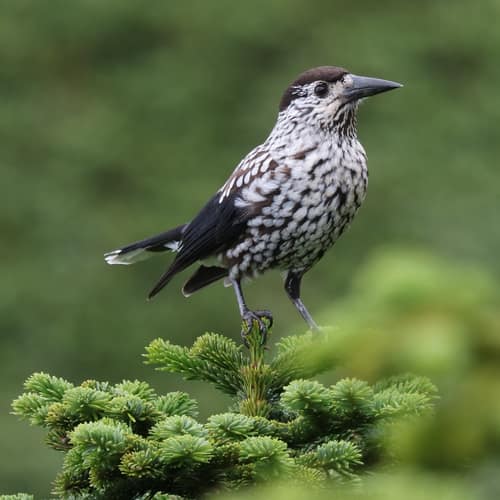
Seed Disperser (c) Alpsdake, some rights reserved (CC BY-SA) · cc-by-sa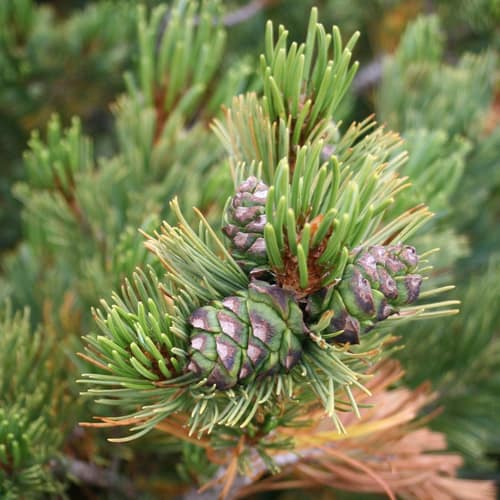
Close Relative (c) Alpsdake, some rights reserved (CC BY-SA) · cc-by-sa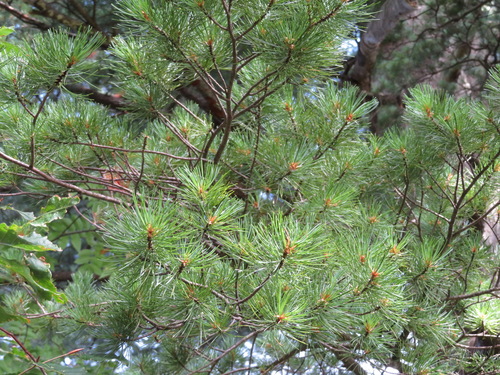
Close Relative (c) Marco Mussita, some rights reserved (CC BY), uploaded by Marco Mussita · cc-by
Help improve the field guideSomething wrong?
Checking your Fauna account…Report a name, category, or profile issue for review.