
Plant · GBIF taxon 5284871
Blue Spruce
Picea pungensAlso known as Colorado Blue Spruce, Colorado Spruce, Silver Spruce, Parry Spruce
Blue spruces dominate montane river valleys and moist mountain slopes across the central Rocky Mountains with their striking silver-blue foliage. Their sharp, four-angled needles grow radially on stiff branches, creating a dense conical silhouette that provides shelter for overwintering birds and small mammals. Mature trees produce pale brown, papery cones that release winged seeds into winter winds.
ConiferEvergreenMountain Native
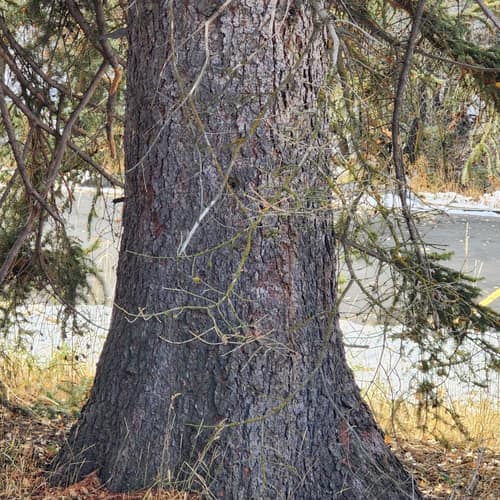
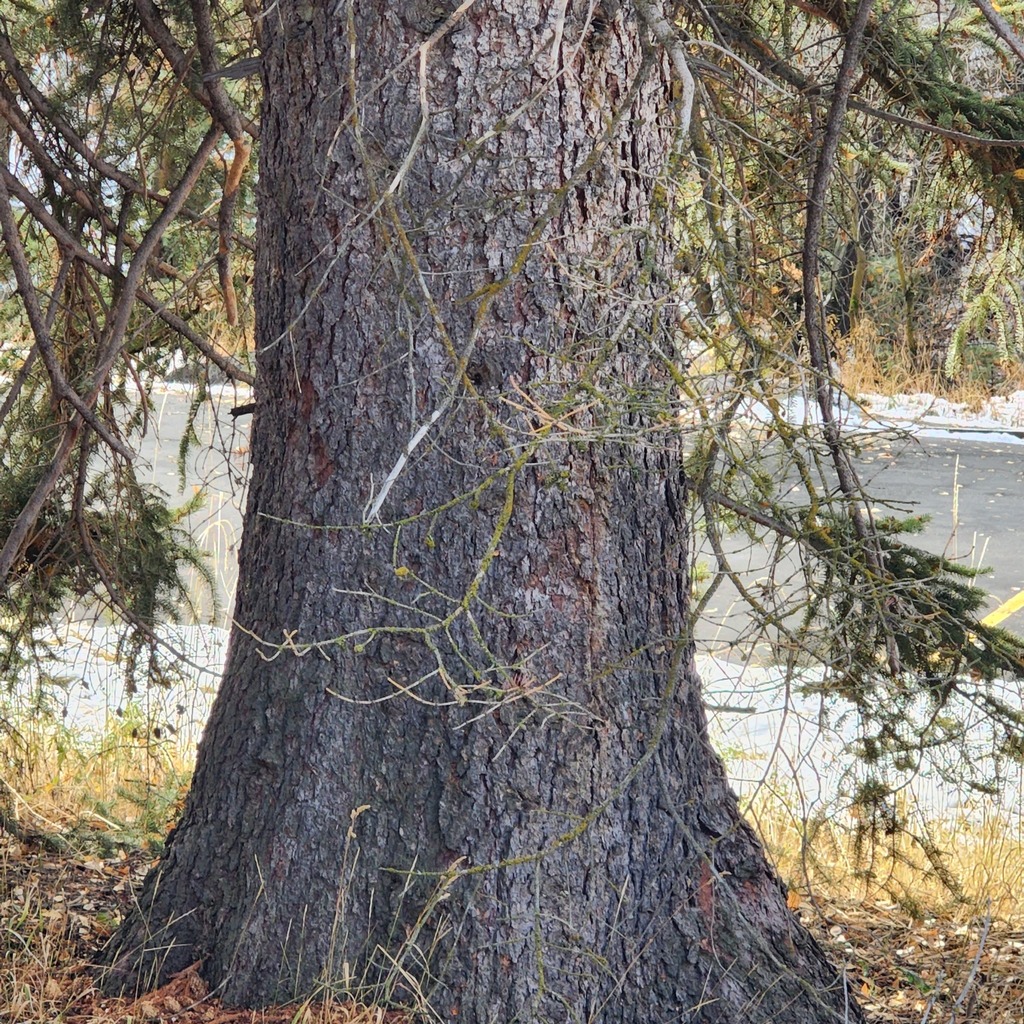
—observations
—countries
—peak records
Least ConcernConservation statusIUCN Red List categoriesLCNTVUENCREWEXLeast ConcernRed List categories, explained →
Diet & prey
- Autotrophic (Photosynthesis)
Predators
- Spruce beetle
- Western spruce budworm
- American red squirrel
ThreatsSpruce beetle infestations, needle cast fungal diseases, drought
HabitatsMontane forests, stream valleys, rocky mountain slopes
Life span150–600 years
Size / weightNot available
Classification
- OrderPinales
- FamilyPinaceae
- GenusPicea
- SpeciesPicea pungens
Range data is not available yet.
Interaction riskLow
- Low
- Moderate
- High
- Very high
- Why interaction risk is low
- Safe to observe at a normal distance.
Responsible observation
- Identification: Feel for extremely stiff, sharp needles radiating evenly around smooth yellow-brown twigs.
- Gardening: Plant in full sun with well-draining soil to maintain vivid blue color and lower branch density.
- Observation: Look along branch tips in autumn for pale brown hanging cones with papery scales.

Seed Consumer (c) DaPuglet, some rights reserved (CC BY-SA) · cc-by-sa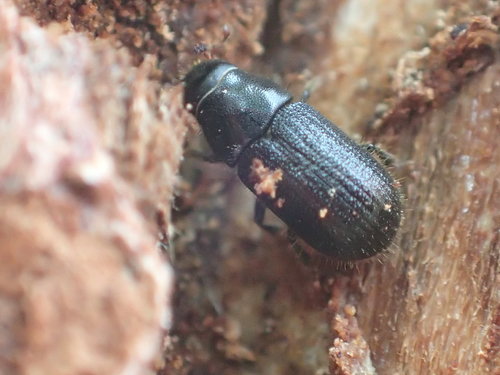
Parasite (c) Matt Bowser, some rights reserved (CC BY), uploaded by Matt Bowser · cc-by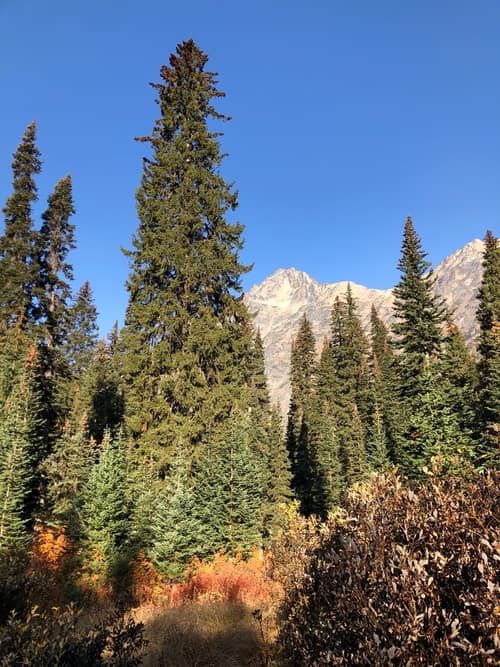
Close Relative (c) Sam Beaumont, some rights reserved (CC BY), uploaded by Sam Beaumont · cc-by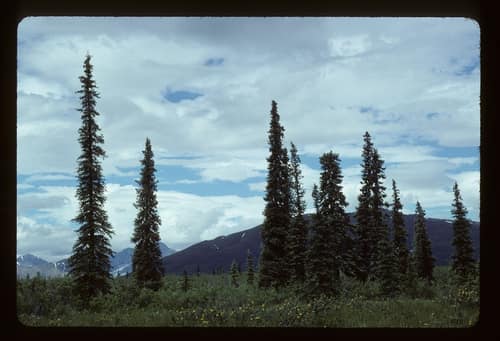
Close Relative (c) Douglas Goldman, some rights reserved (CC BY-SA), uploaded by Douglas Goldman · cc-by-sa
Help improve the field guideSomething wrong?
Checking your Fauna account…Report a name, category, or profile issue for review.