
Plant
Black Pine
Pinus nigraAlso known as Austrian Pine, Corsican Pine, Crimean Pine, European Black Pine
Black pines dominate rugged mountain slopes across southern Europe and the Mediterranean, anchoring thin soils on steep limestone ridges. Their stiff, paired needles and deeply dark, furrowed bark give mature trees a rugged silhouette that withstands heavy winter winds and scorching summer heat. These resilient evergreens produce dense seed crops that sustain crossbills, squirrels, and small rodents throughout the cold months.
ConiferEvergreenNeedle Tree
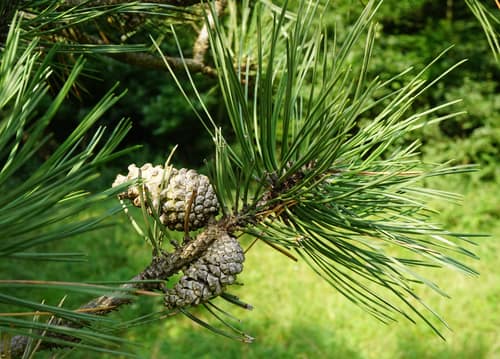
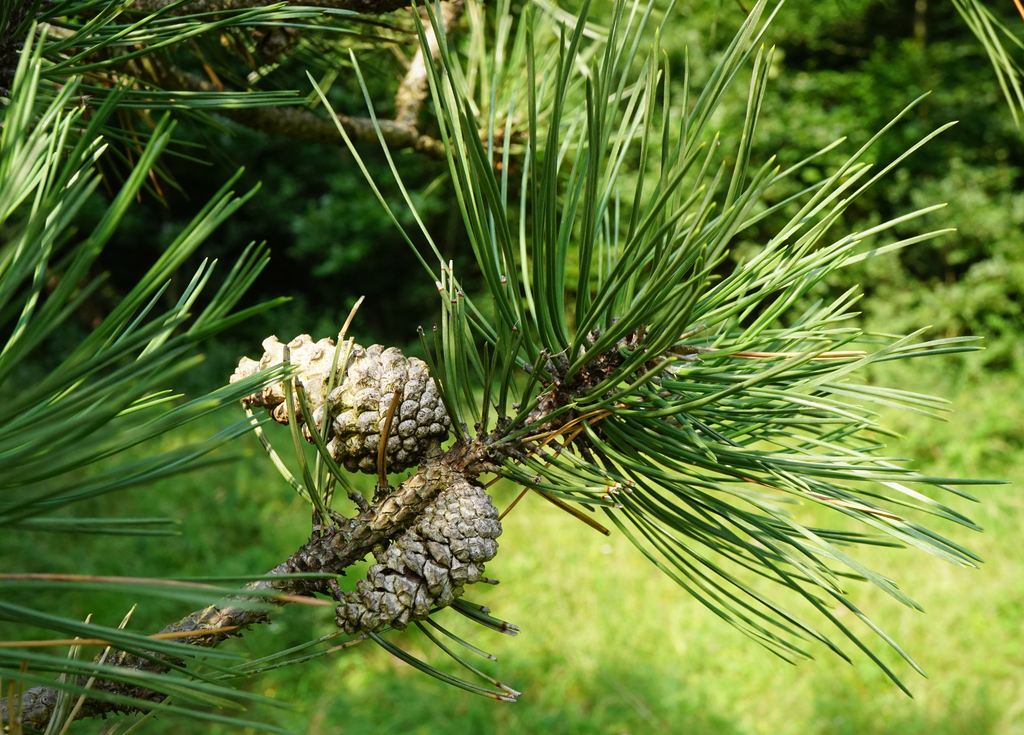
—observations
—countries
—peak records
Least ConcernConservation statusIUCN Red List categoriesLCNTVUENCREWEXLeast ConcernRed List categories, explained →
Diet & preyPhotosynthetic
Predators
- Pine Processionary Moth
- Bark Beetles
- Red Squirrel
ThreatsWildfires, pine processionary moth, severe drought
HabitatsMountain slopes, limestone ridges, Mediterranean woodlands
Life span200–500 years
Classification
- OrderPinales
- FamilyPinaceae
- GenusPinus
- SpeciesPinus nigra
Range data is not available yet.
Interaction riskLow
- Low
- Moderate
- High
- Very high
- Why interaction risk is low
- Safe to observe at a normal distance.
Responsible observation
- Needle Count: Check for stiff, dark green needles bound tightly in pairs.
- Bark Texture: Look for deep greyish-black furrows on mature trunks.
- Cone Shape: Inspect shiny, yellowish-brown cones maturing in their second autumn.
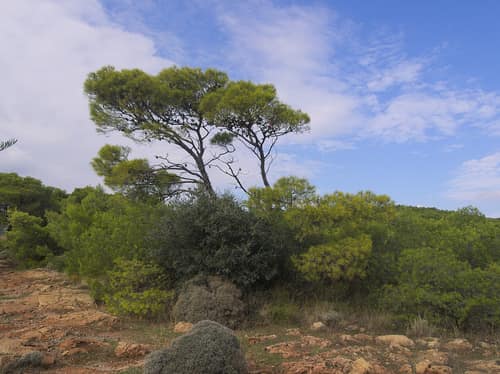
Competitor C messier / CC BY-SA 4.0 · cc-by-sa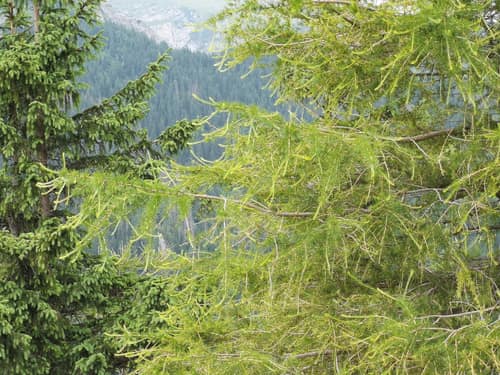
Frequent Companion (c) Jens-Christian Svenning, some rights reserved (CC BY), uploaded by Jens-Christian Svenning · cc-by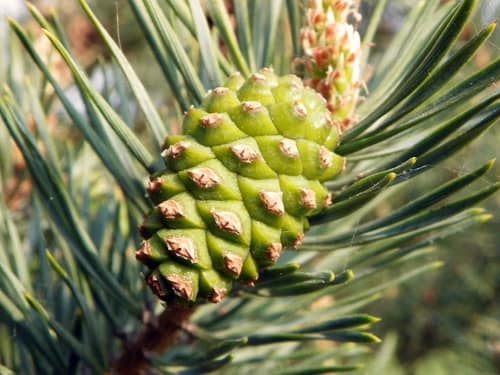
Close Relative (c) anemoneprojectors (no internet at the moment), some rights reserved (CC BY-SA) · cc-by-sa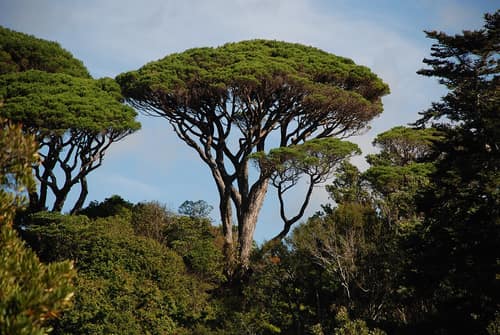
Close Relative Karora / Public domain · cc0
Help improve the field guideSomething wrong?
Checking your Fauna account…Report a name, category, or profile issue for review.