
Plant · GBIF taxon 5284802
Black Spruce
Picea marianaAlso known as Bog Spruce, Swamp Spruce, Shortleaf Black Spruce
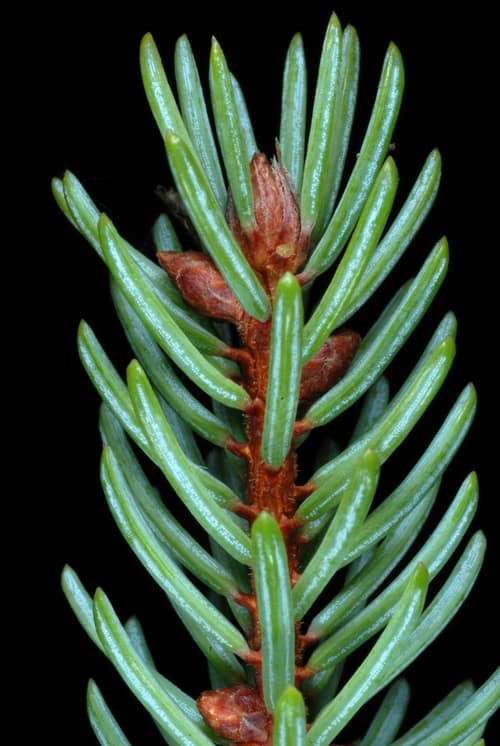
Black spruce dominates the cold, soggy peatlands and boreal forests across northern North America, often forming dense, slow-growing stands in waterlogged soils. Recognized by its narrow, spire-like canopy topped by a dense cluster or crown of small cones, it adapts exceptionally well to nutrient-poor soils and permafrost conditions. Fire plays a crucial role in its lifecycle, triggering its semi-serotinous cones to release seeds onto newly exposed mineral soil.
ConiferBoreal ForestEvergreen
 1 / 7
1 / 7—observations
—countries
—peak records
Least ConcernConservation statusIUCN Red List categoriesLCNTVUENCREWEXLeast ConcernRed List categories, explained →
Diet & prey
- Autotrophic (Photosynthesis)
Predators
- Spruce Budworm
- Snowshoe Hare
- North American Porcupine
ThreatsSpruce budworm outbreaks, severe wildfires, warming temperatures altering permafrost
HabitatsBoreal forest, muskegs, peat bogs, permafrost lowlands
Life span150–250 years
Size / weightNot available
Classification
- OrderPinales
- FamilyPinaceae
- GenusPicea
- SpeciesPicea mariana
Range data is not available yet.
Interaction riskLow
- Low
- Moderate
- High
- Very high
- Why interaction risk is low
- Safe to observe at a normal distance.
Responsible observation
- Cone Identification: Look for small, egg-shaped cones tightly clustered at the very top of the trunk spire.
- Habitat Check: Search in wet boggy peatlands or muskegs where other coniferous trees struggle to establish.
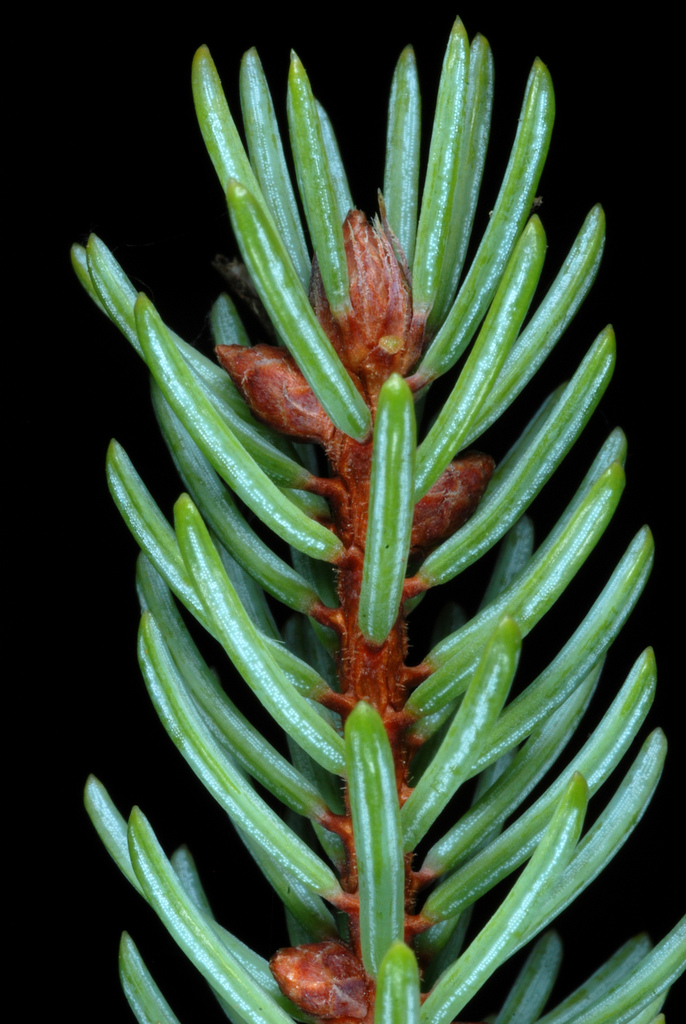
- Needle Test: Roll a needle between your fingers; black spruce needles are blue-green and distinctly four-sided.
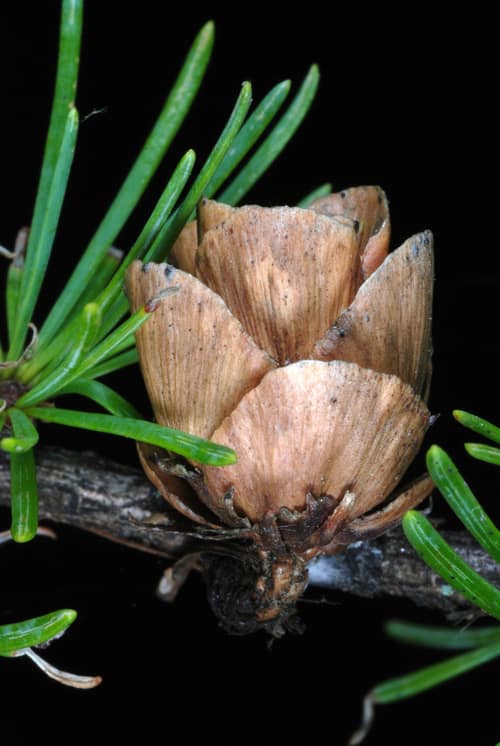
Frequent Companion (c) Douglas Goldman, some rights reserved (CC BY-SA), uploaded by Douglas Goldman · cc-by-sa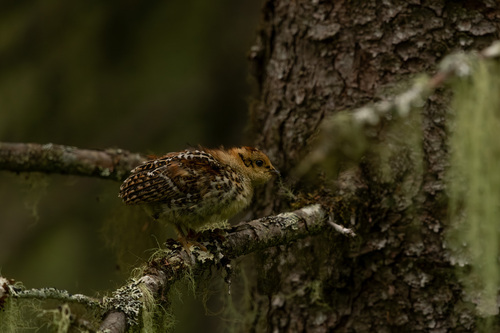
Frequent Companion (c) Joeb, some rights reserved (CC BY), uploaded by Joeb · cc-by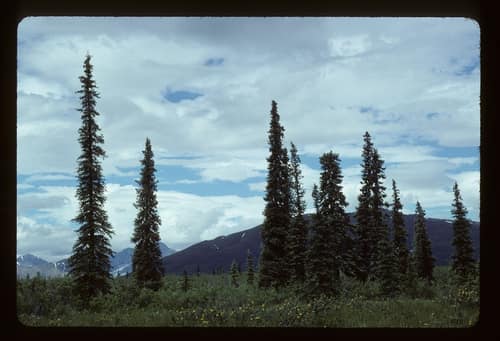
Close Relative (c) Douglas Goldman, some rights reserved (CC BY-SA), uploaded by Douglas Goldman · cc-by-sa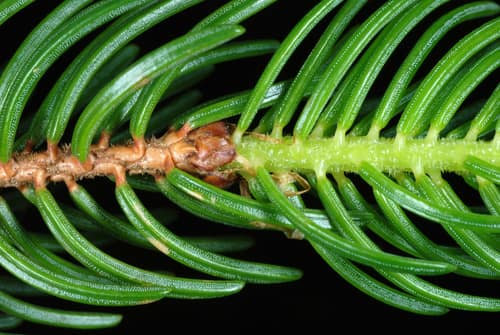
Close Relative (c) Douglas Goldman, some rights reserved (CC BY-SA), uploaded by Douglas Goldman · cc-by-sa
Help improve the field guideSomething wrong?
Checking your Fauna account…Report a name, category, or profile issue for review.