
Plant · GBIF taxon 5284717
Red Spruce
Picea rubensAlso known as Yellow Spruce, West Virginia Spruce, Eastern Spruce, He-balsam
Red spruce dominates cool, cloud-bathed high-elevation forests of the eastern Appalachians, creating dark evergreen canopies that shelter specialized wildlife. Its dense, resonant wood made it a historic favorite for crafting high-quality musical instrument soundboards. Today, remaining stands face lingering pressures from air pollution and warming mountain microclimates.
EvergreenConiferMountain Native
 1 / 7
1 / 7—observations
—countries
—peak records
Least ConcernConservation statusIUCN Red List categoriesLCNTVUENCREWEXLeast ConcernRed List categories, explained →
Diet & prey
- Sunlight
- Water
- Soil Minerals
Predators
- Spruce Budworm
- Red Squirrel
- White-Tailed Deer
ThreatsAcid deposition, climate change, spruce budworm outbreaks
HabitatsCool temperate mountain slopes, high-elevation ridges, bogs
Life span200–400 years
Size / weightNot available
Classification
- FamilyPinaceae
- SpeciesPicea rubens
Range data is not available yet.
Interaction riskLow
- Low
- Moderate
- High
- Very high
- Why interaction risk is low
- Safe to observe at a normal distance.
- What to notice
- Recognizable by dark green spire-like crowns atop misty Appalachian peaks above 1,000 meters.
- Support conservation
- Stick to marked trails to avoid damaging thin mountain soils and sensitive sapling regeneration.
Responsible observation
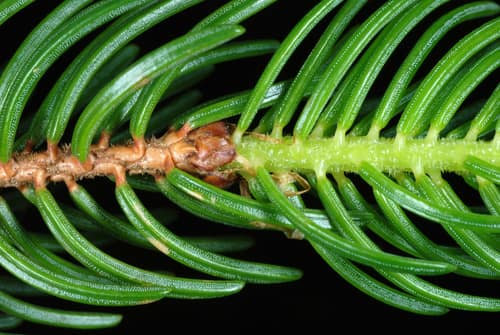
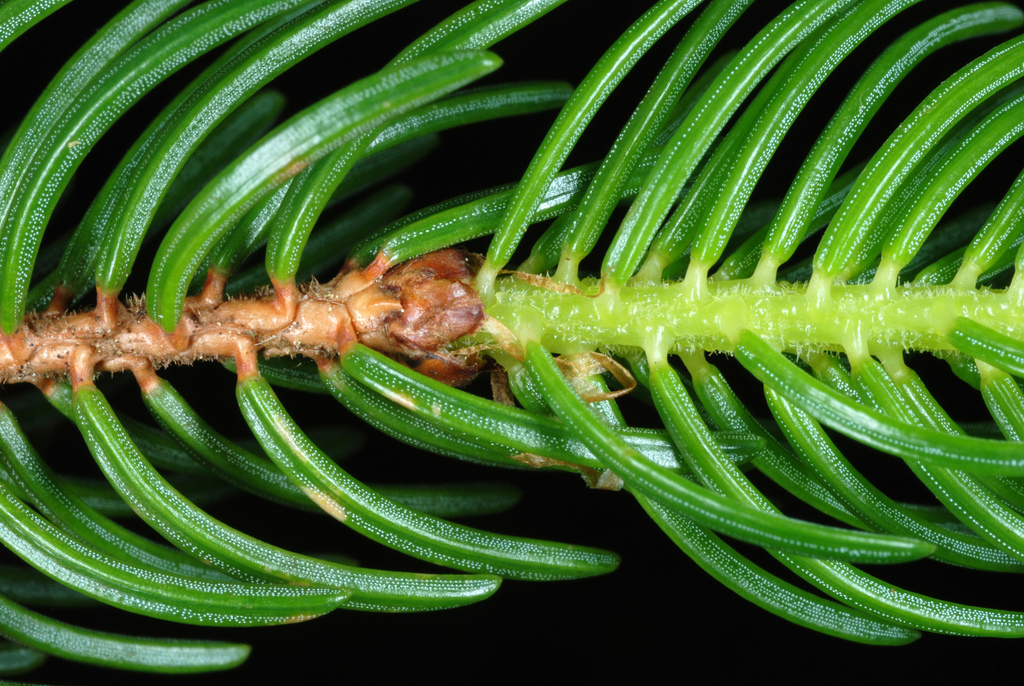
- Needle Identification: Look for shiny, four-sided yellow-green needles that roll easily between your fingers.
- Bark & Cones: Observe the dark reddish-brown scaly bark and small, reddish cones hanging from top branches.
- Habitat Clues: Search for this tree in cool, mist-shrouded high-elevation forests across the Appalachians.
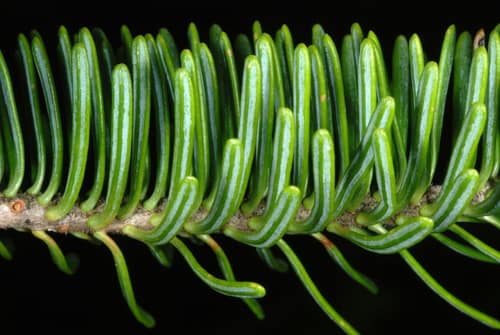
Frequent Companion (c) Douglas Goldman, some rights reserved (CC BY-SA), uploaded by Douglas Goldman · cc-by-sa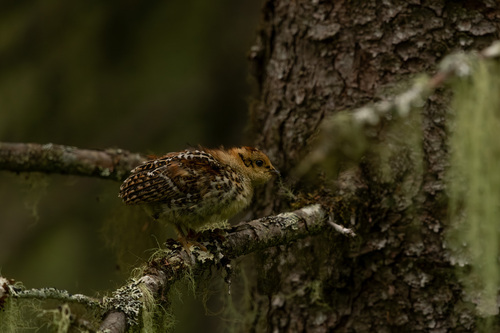
Prey (c) Joeb, some rights reserved (CC BY), uploaded by Joeb · cc-by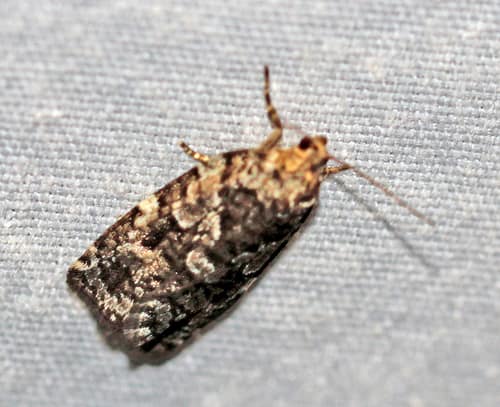
Parasite no rights reserved · cc0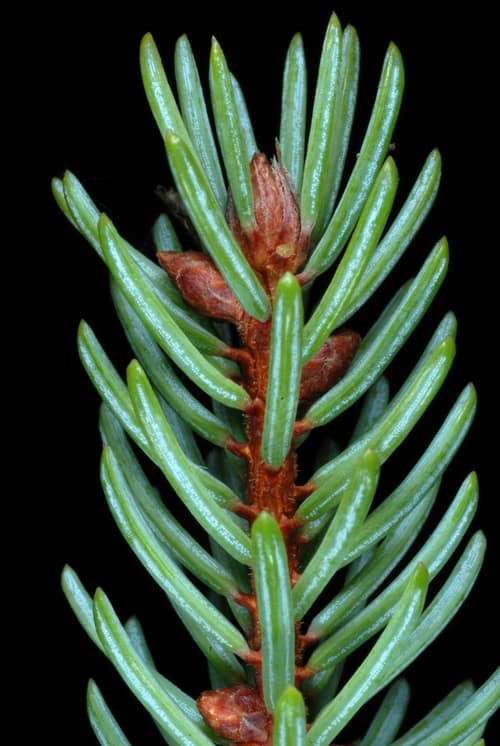
Close Relative (c) Douglas Goldman, some rights reserved (CC BY-SA), uploaded by Douglas Goldman · cc-by-sa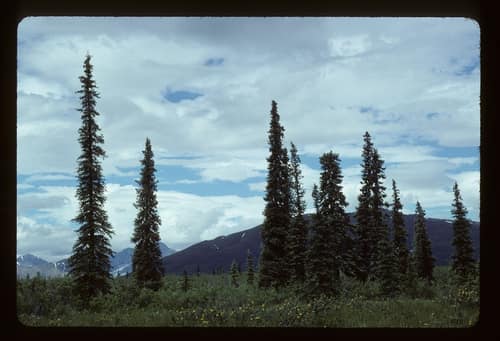
Close Relative (c) Douglas Goldman, some rights reserved (CC BY-SA), uploaded by Douglas Goldman · cc-by-sa
Help improve the field guideSomething wrong?
Checking your Fauna account…Report a name, category, or profile issue for review.