
Plant · GBIF taxon 5284540
Himalayan Yew
Taxus wallichianaAlso known as East Himalayan Yew, West Himalayan Yew, Indian Yew
Himalayan yew is a slow-growing evergreen conifer native to high-altitude montane forests across the Himalayas and Southeast Asia. Its dense canopy of flat, lance-shaped needles and bright red, fleshy arils provides shelter and seed dispersal partnerships with mountain birds. Overexploitation of its foliage and bark for traditional medicine and chemotherapy drugs has caused severe wild population declines.
EvergreenToxicMedicinal
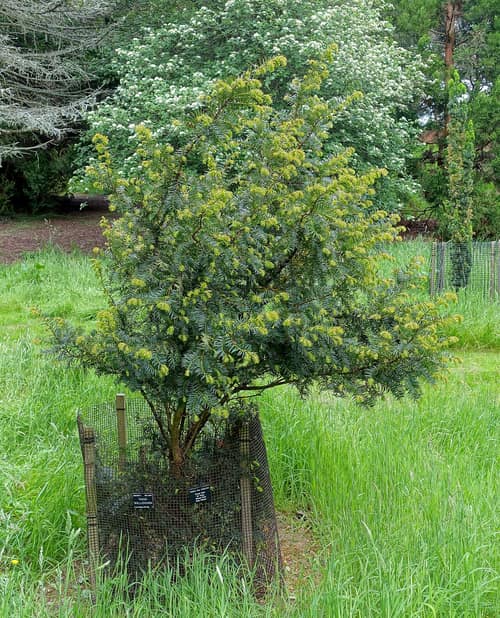
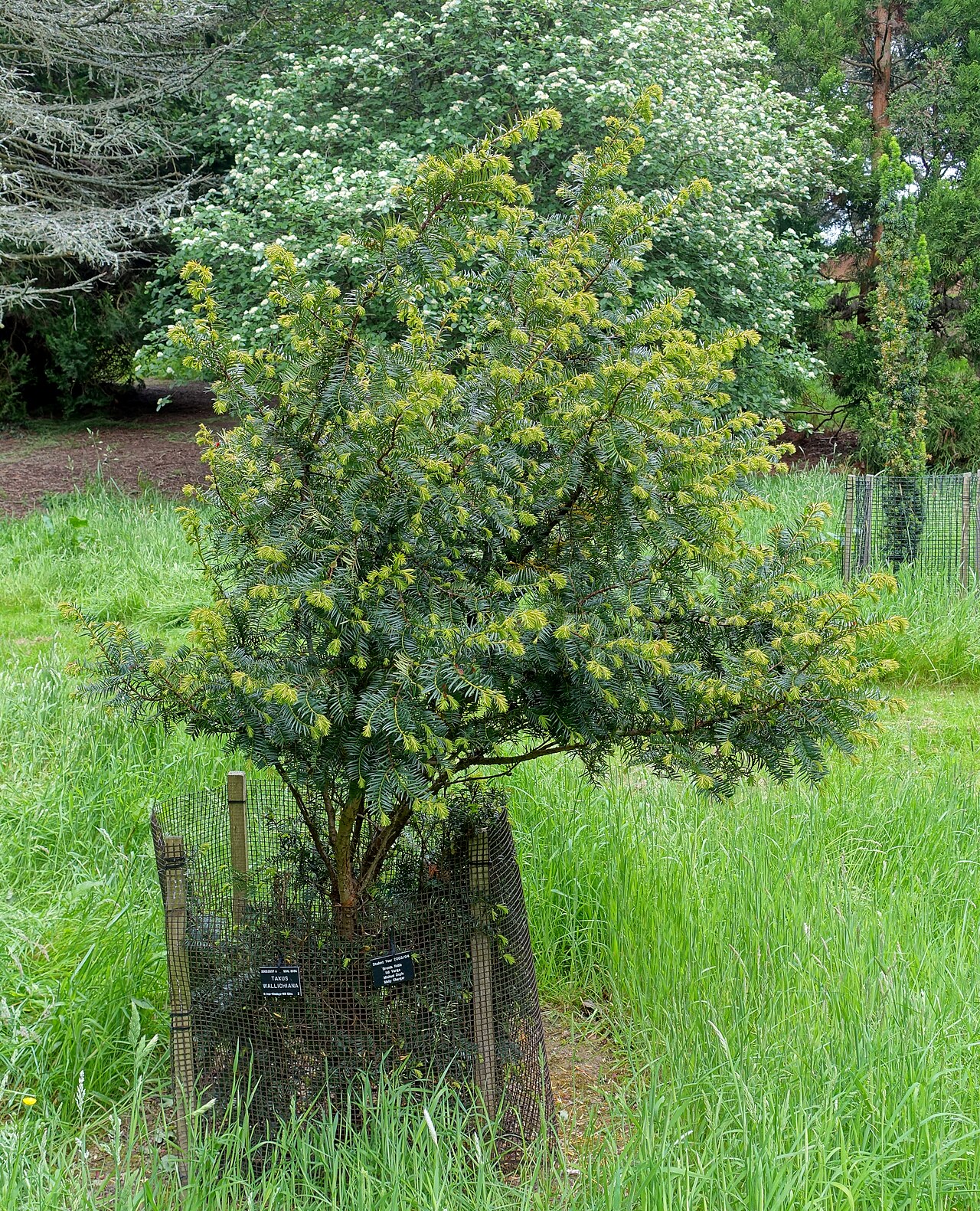
—observations
—countries
—peak records
EndangeredConservation statusIUCN Red List categoriesLCNTVUENCREWEXEndangeredRed List categories, explained →
Diet & prey
- Photosynthetic
Predators
- Fungi
- Insects
ThreatsOverharvesting for taxol extraction, illegal bark stripping, habitat degradation
HabitatsTemperate mountain forests, subalpine conifer forests
Life span500–1000+ years
Size / weightNot available
Classification
- FamilyTaxaceae
- SpeciesTaxus wallichiana
Range data is not available yet.
Interaction riskHigh
- Low
- Moderate
- High
- Very high
- Why interaction risk is high
- Contains deadly taxine alkaloids and wild berries have toxic look-alikes; never ingest any plant part.
- Why it is dangerous
- Contains toxic taxine alkaloids that disrupt cardiac function, causing severe poisoning or fatal heart failure if ingested.
- How to recognize a risky encounter
- Recognized by flat, dark green needles with pale undersides and cup-like red arils enclosing a central seed.
- What to do
- Do not chew or ingest any leaves, bark, or seeds, and wear gloves when collecting botanical samples.
- What to notice
- Slow-growing conifer trees found in mid- to high-elevation montane forests of the Himalayan region.
- Support conservation
- Refrain from stripping bark, harvesting foliage, or damaging roots while visiting wild populations.
Responsible observation
- Observation distance: Admire from trail pathways without disturbing bark or foliage.
- Botanical photography: Capture the distinct red arils and flat needles in bright overcast light.
 Image unavailable
Frequent Companion 
Close Relative (c) Douglas Goldman, some rights reserved (CC BY-SA), uploaded by Douglas Goldman · cc-by-sa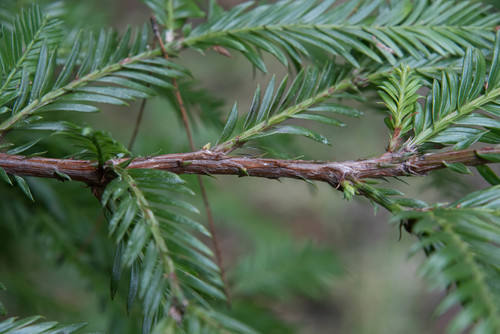
Close Relative (c) Don Loarie, some rights reserved (CC BY), uploaded by Don Loarie · cc-by
Help improve the field guideSomething wrong?
Checking your Fauna account…Report a name, category, or profile issue for review.