
Plant
Cochlear Coralline Crust
Spongites yendoiAlso known as Cochlear Coralline
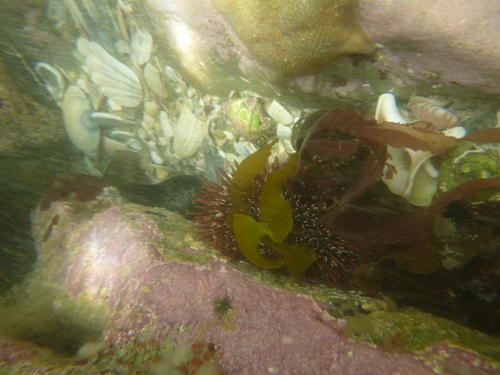
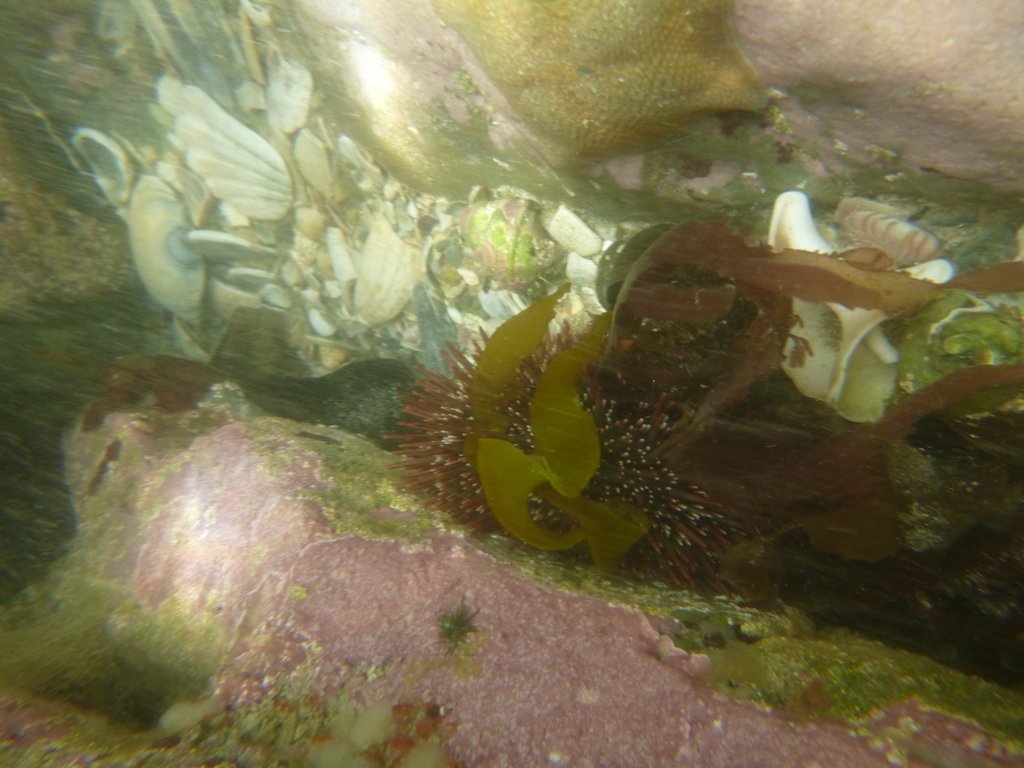
Cochlear coralline crust coats wave-battered intertidal rocks in a dense, chalky pink to purplish pavement that withstands relentless surf. It maintains a close ecological partnership with pear limpets, whose selective grazing clears smothering turf algae and detritus from the algal surface. By depositing calcium carbonate within its cellular structure, this slow-growing red alga cements loose substrate together and stabilizes foundational habitat for diverse coastal invertebrates.
MarineIntertidalCalcified
—observations
—countries
—peak records
Not EvaluatedConservation statusIUCN Red List categoriesLCNTVUENCREWEXNot Evaluated — not placed on the risk ladderRed List categories, explained →
Diet & preyPhotoautotrophic (sunlight and dissolved marine nutrients)
Predators
- Pear Limpet (Scutellastra cochlear)
- Cape Urchin (Parechinus angulosus)
ThreatsOcean acidification, marine heatwaves, and coastal siltation
HabitatsLower rocky intertidal zones and wave-exposed coastal reefs
Life span10–30+ years
Classification
- FamilySpongitaceae
- SpeciesSpongites yendoi
Range data is not available yet.
Interaction riskLow
- Low
- Moderate
- High
- Very high
- Why interaction risk is low
- Safe to observe at a normal distance.
Responsible observation
- Tide Timing: Explore lower wave-cut benches during spring low tides when this zone is briefly uncovered.
- Footwear Caution: Avoid stepping directly on crust patches to prevent fracturing the brittle, calcified thalli.
- Close Inspection: Look across pink surfaces for small sunken pores called conceptacles that release reproductive spores.
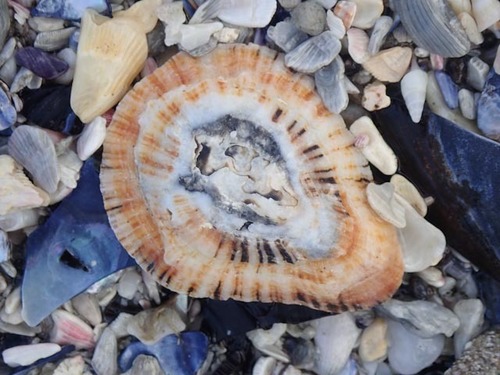
Symbiont (c) Georgina Jones, some rights reserved (CC BY-SA), uploaded by Georgina Jones · cc-by-sa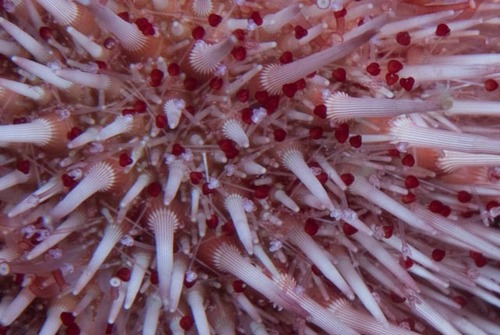
Predator (c) Georgina Jones, some rights reserved (CC BY-SA), uploaded by Georgina Jones · cc-by-sa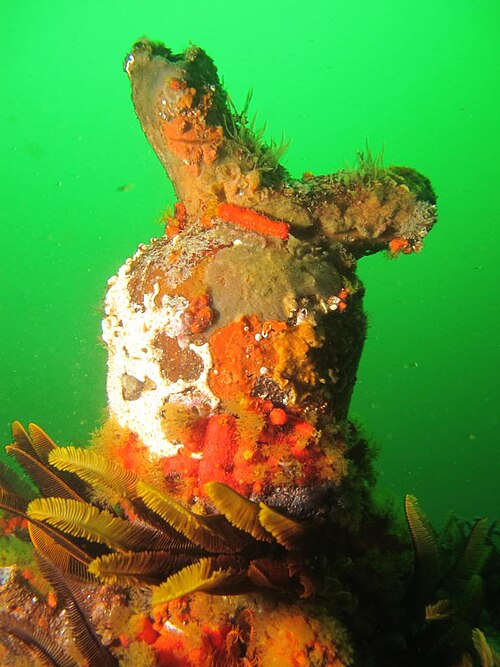
Competitor Derek Keats / CC BY-SA 2.0 · cc-by-sa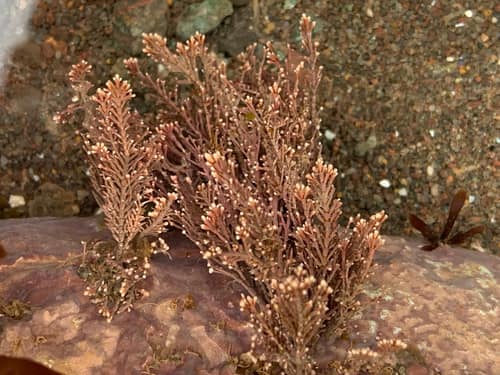
Relative (c) Ian Manning, some rights reserved (CC BY), uploaded by Ian Manning · cc-by
Help improve the field guideSomething wrong?
Checking your Fauna account…Report a name, category, or profile issue for review.