
Plant · GBIF taxon 5275365
Deer Fern
Struthiopteris spicantAlso known as Hard-fern, Hard Fern
Deer fern carpet damp coniferous forest floors across North America and Europe with striking dimorphic fronds. Leathery evergreen sterile fronds spread outward in flat rosettes, while taller erect fertile fronds emerge in summer to release spores before dying back in winter. Emerging spring shoots provide important forage for deer and elk during lean early-season months.
EvergreenShade-lovingSpore-bearing
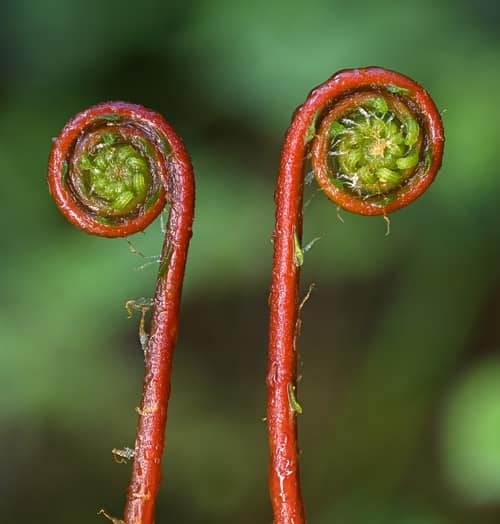
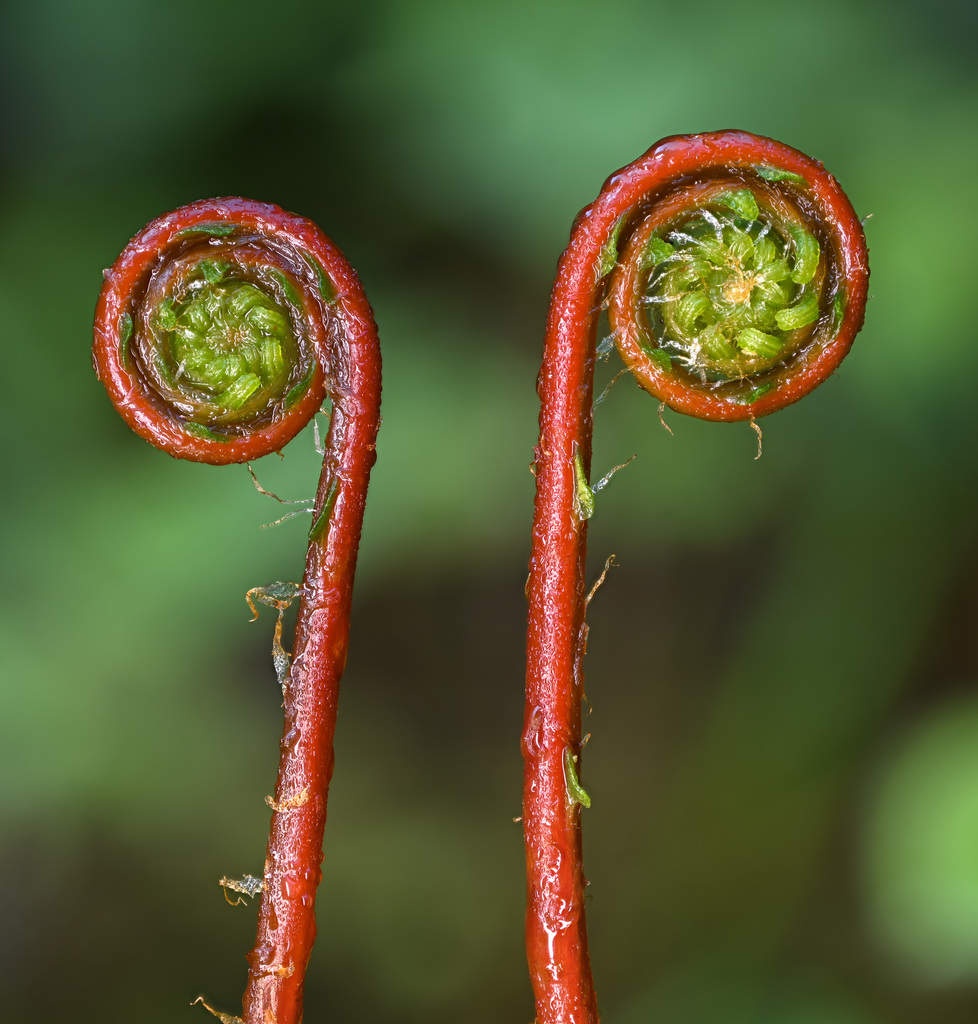 1 / 7
1 / 7—observations
—countries
—peak records
Least ConcernConservation statusIUCN Red List categoriesLCNTVUENCREWEXLeast ConcernRed List categories, explained →
Diet & prey
- Autotrophic (Photosynthesis)
Predators
- Black-tailed Deer
- Elk
- Mountain Goat
ThreatsLogging, habitat loss, severe drought
HabitatsMoist coniferous forests, stream banks, bog edges, acidic soils
Life spanPerennial (decades)
Size / weightNot available
Classification
- FamilyBlechnaceae
- SpeciesStruthiopteris spicant
Range data is not available yet.
Interaction riskLow
- Low
- Moderate
- High
- Very high
- Why interaction risk is low
- Safe to observe at a normal distance.
Responsible observation
- Identification: Look for glossy, leathery sterile fronds hugging the ground beneath taller, narrow fertile fronds.
- Habitat Spotting: Search shady, moist conifer forests, mossy stream banks, and acidic woodland slopes.
- Cultivation: Plant in deep shade and acidic, moisture-retentive soil to mimic its natural damp habitat.
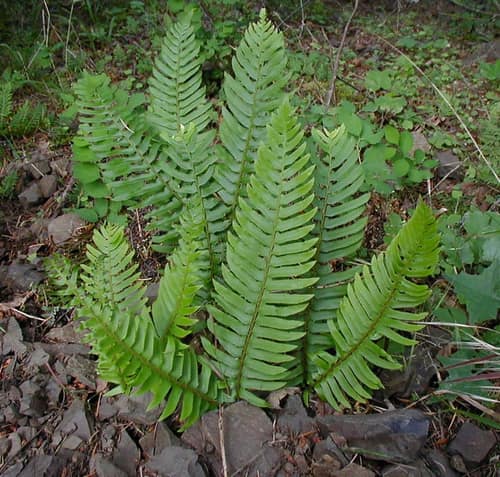
Forest Companion Jami Dwyer / CC BY-SA 2.0 · cc-by-sa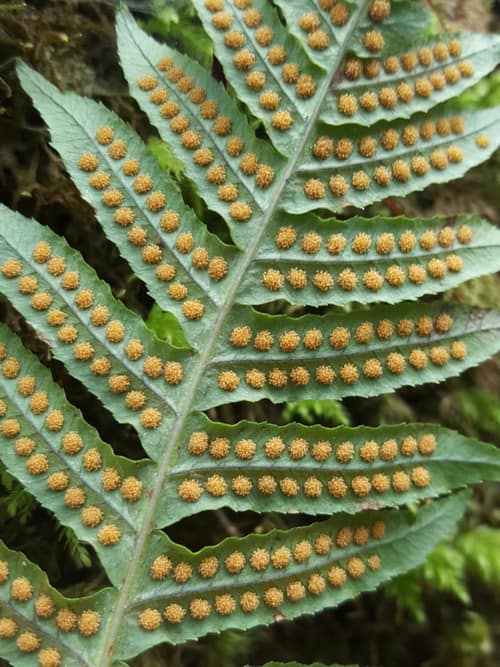
Epiphytic Neighbor (c) Alex Abair, some rights reserved (CC BY), uploaded by Alex Abair · cc-by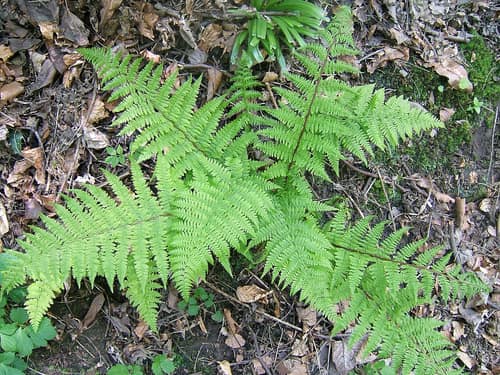
Co-occurring Fern No machine-readable author provided. MPF assumed (based on copyright claims). / CC BY 2.5 · cc-by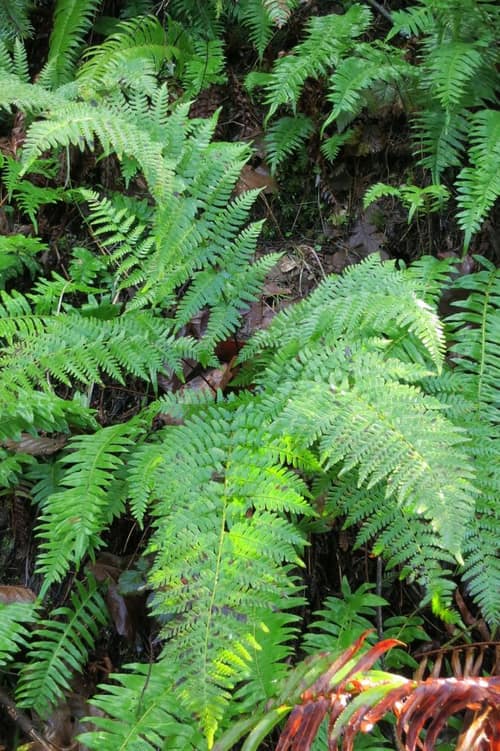
Understory Neighbor (c) Ed Alverson, some rights reserved (CC BY), uploaded by Ed Alverson · cc-by
Help improve the field guideSomething wrong?
Checking your Fauna account…Report a name, category, or profile issue for review.