
Plant
Coastal Woodfern
Dryopteris argutaAlso known as Coastal Shield Fern, California Wood Fern, Pacific Wood Fern
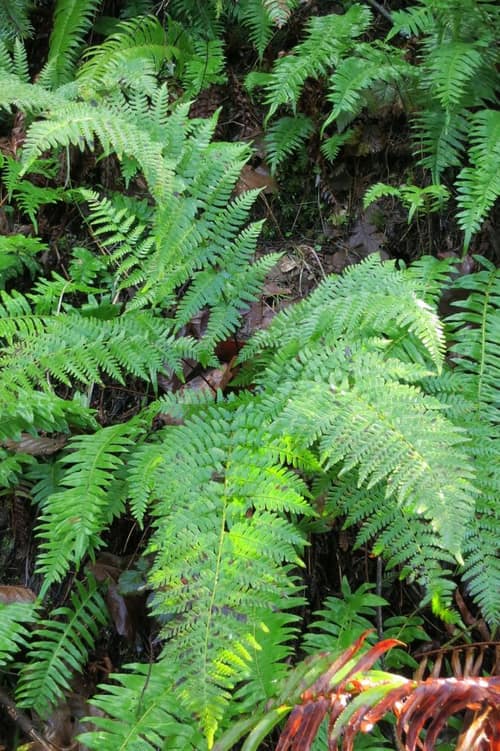
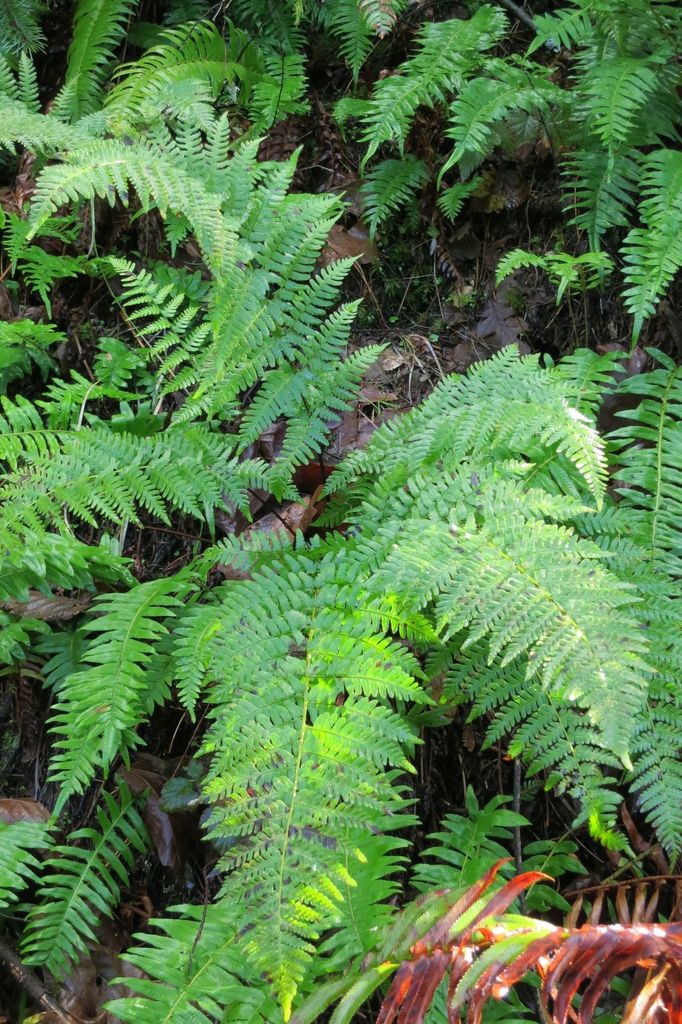
Coastal woodfern unfurls bright green, lace-like fronds from a sturdy underground rhizome in moist coastal forests and shaded mountain slopes. Its twice-pinnate leaves remain evergreen in mild winter climates, providing vital understory cover for woodland amphibians and small invertebrates. Underneath mature fronds, distinct round spore clusters protected by reddish, kidney-shaped covers line the leaf veins in late spring.
EvergreenShade-LovingNative Fern
—observations
—countries
—peak records
Least ConcernConservation statusIUCN Red List categoriesLCNTVUENCREWEXLeast ConcernRed List categories, explained →
Diet & preyAutotrophic
Predators
- Slugs and snails
- Herbivorous insects
- Black-tailed deer
ThreatsHabitat loss, severe drought, altered wildfire regimes
HabitatsOak woodlands, mixed evergreen forests, coastal canyons, rocky slopes
Life spanPerennial (decades via rhizomes)
Classification
- FamilyDryopteridaceae
- SpeciesDryopteris arguta
Range data is not available yet.
Interaction riskLow
- Low
- Moderate
- High
- Very high
- Why interaction risk is low
- Safe to observe at a normal distance.
Responsible observation
- Trail Identification: Look for bright green, twice-pinnate fronds growing in clumps along shaded woodland paths.
- Underside Inspection: Check frond undersides in late spring to spot reddish-brown spore clusters along the veins.
- Habitat Protection: Stay on established trails to avoid trampling delicate fern rhizomes and understory soil.
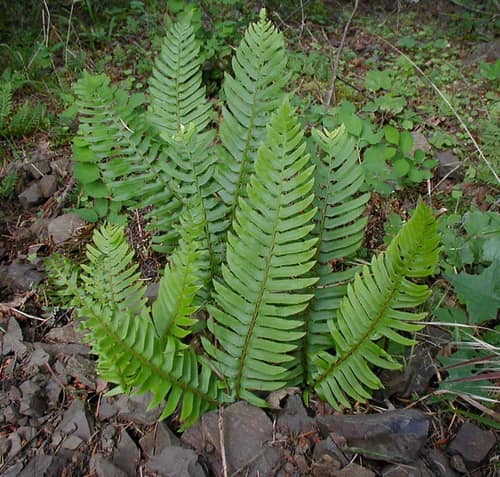
Frequent Companion Jami Dwyer / CC BY-SA 2.0 · cc-by-sa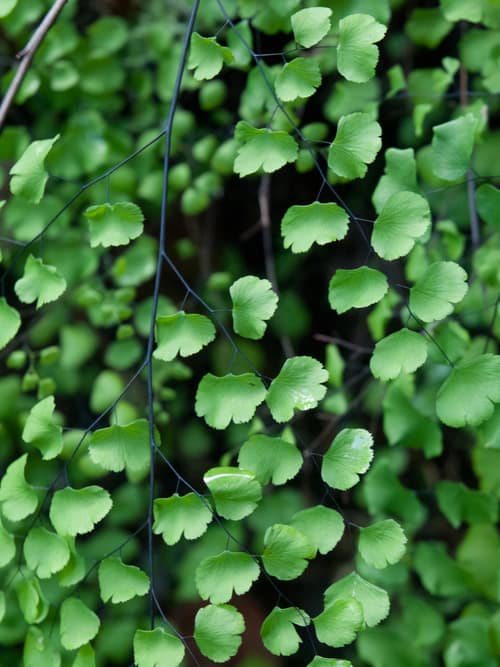
Frequent Companion (c) Franco Folini, some rights reserved (CC BY) · cc-by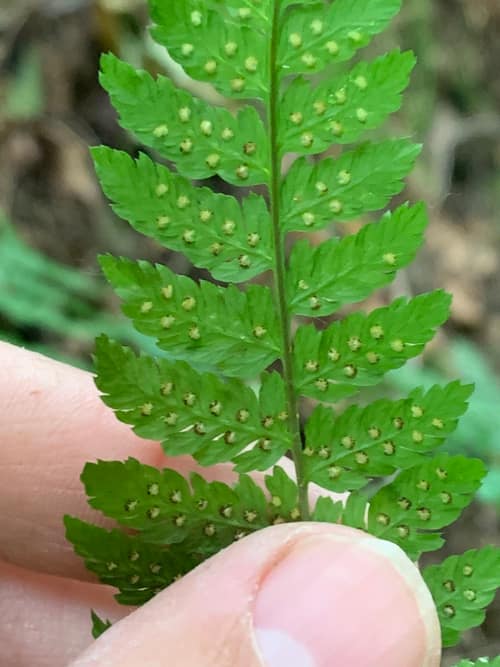
Close Relative no rights reserved, uploaded by Tom Erler · cc0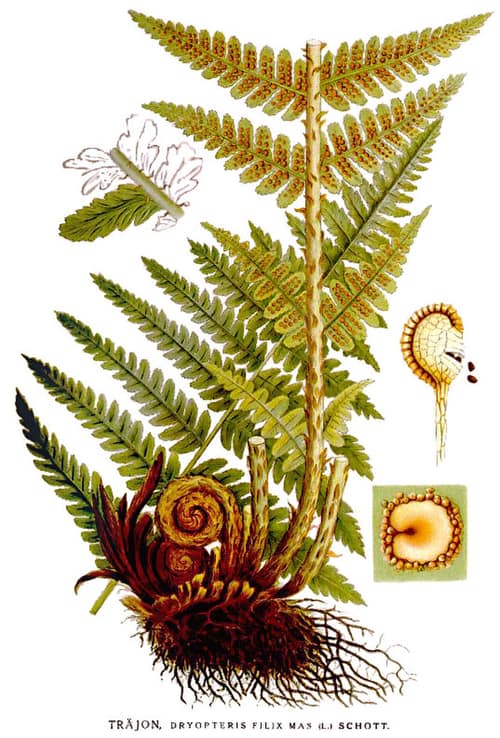
Close Relative Carl Axel Magnus Lindman / Public domain · cc0
Help improve the field guideSomething wrong?
Checking your Fauna account…Report a name, category, or profile issue for review.