
Plant
California Polypody
Polypodium californicumAlso known as California Licorice Fern
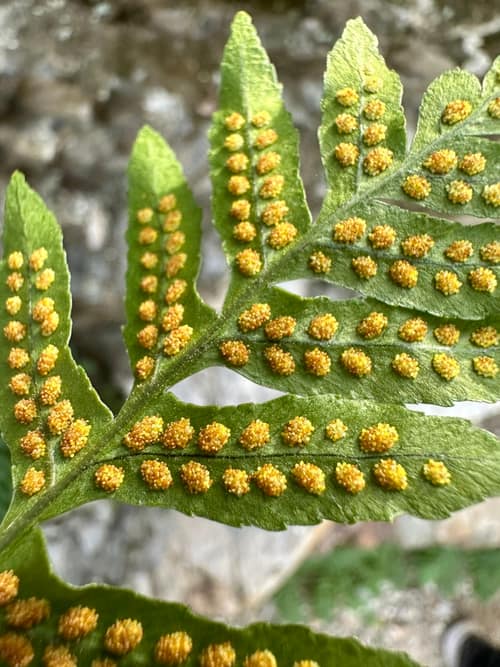
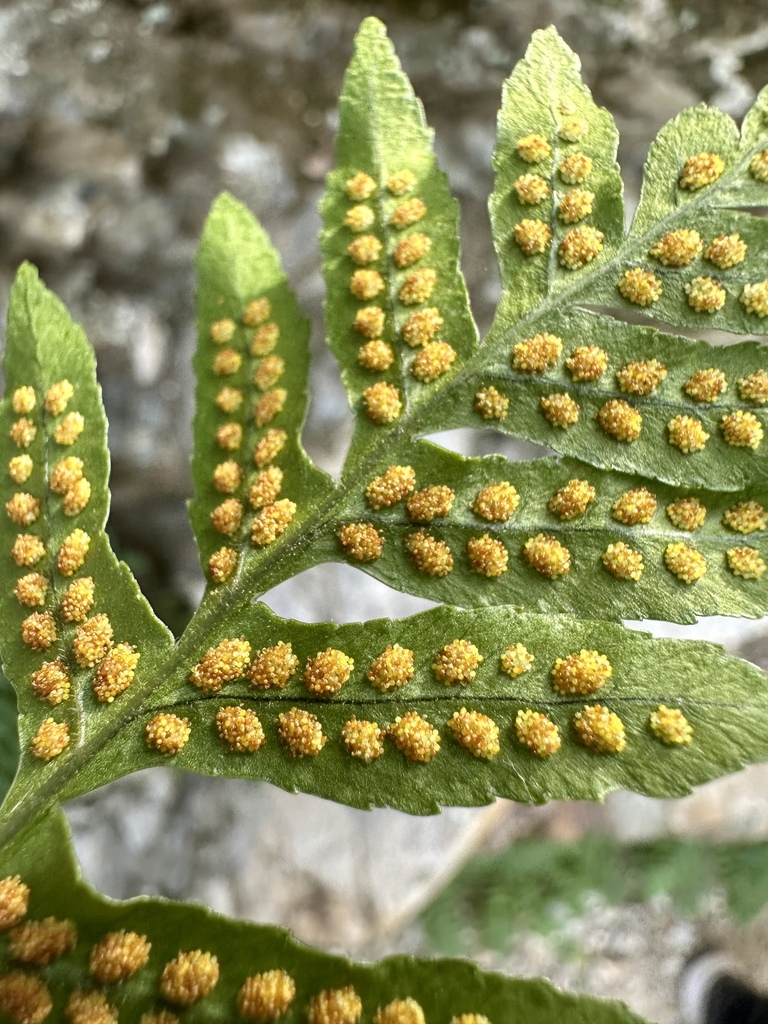
California polypody forms lush green carpets along shady canyon walls, mossy boulders, and oak woodland banks throughout coastal California and Baja California. Fronds dry up and drop during parched summer months, then rapidly unfurl fresh foliage with the first substantial rains of autumn. Round, rust-colored sori line the underside of mature leaflets, releasing tiny spores that disperse on damp winter breezes.
FernWinter-ActiveNative Plant
—observations
—countries
—peak records
Not EvaluatedConservation statusIUCN Red List categoriesLCNTVUENCREWEXNot Evaluated — not placed on the risk ladderRed List categories, explained →
Diet & preyAutotrophic (Photosynthesis)
Predators
- Herbivorous Insects
- Slugs
- Snails
ThreatsHabitat loss from urban development, invasive weed competition, extreme prolonged drought
HabitatsShaded canyons, rocky bluffs, mossy banks, oak woodlands
Life spanPerennial (rhizomes survive for decades)
Classification
- FamilyPolypodiaceae
- SpeciesPolypodium californicum
Range data is not available yet.
Interaction riskLow
- Low
- Moderate
- High
- Very high
- Why interaction risk is low
- Safe to observe at a normal distance.
Responsible observation
- Inspect the Leaf Undersides: Flip over mature winter fronds to view bright yellow or rust-colored spore clusters.
- Track Seasonal Dormancy: Observe how fronds wither away during summer heat and revive after fall rains.
- Check Crevices and Banks: Search shaded canyon walls and mossy oak roots where damp soil persists.
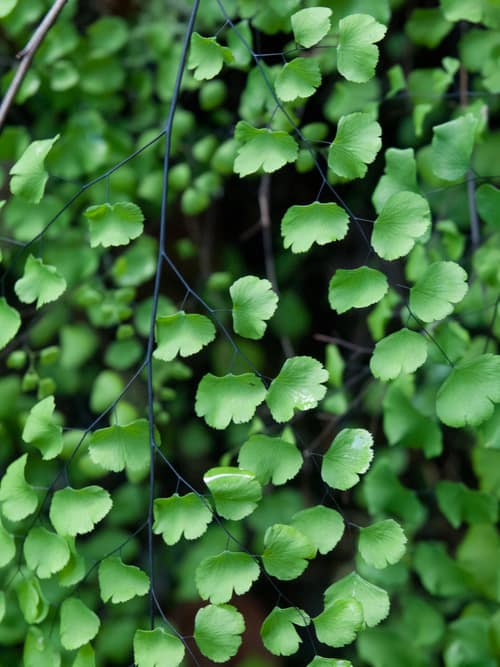
Frequent Companion (c) Franco Folini, some rights reserved (CC BY) · cc-by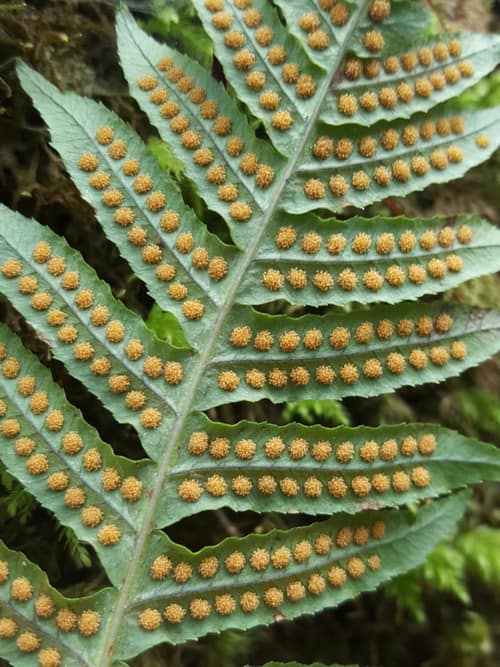
Close Relative (c) Alex Abair, some rights reserved (CC BY), uploaded by Alex Abair · cc-by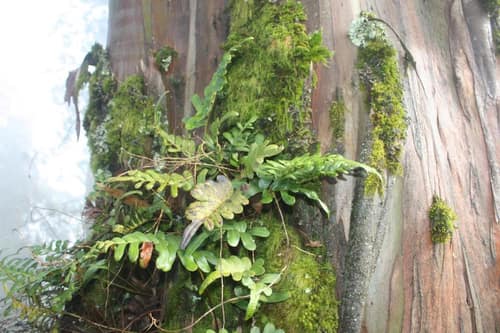
Close Relative no rights reserved · cc0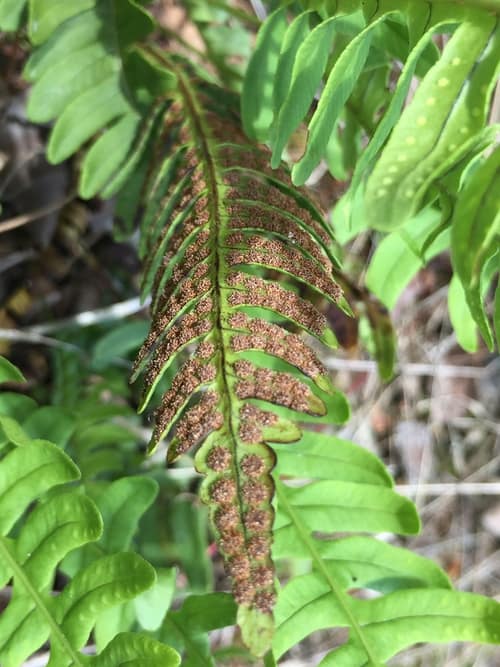
Close Relative (c) Mary Krieger, some rights reserved (CC BY) · cc-by
Help improve the field guideSomething wrong?
Checking your Fauna account…Report a name, category, or profile issue for review.